Alternative headline: Cocaine Addiction: New Treatment Approaches Offer Hope for Recovery
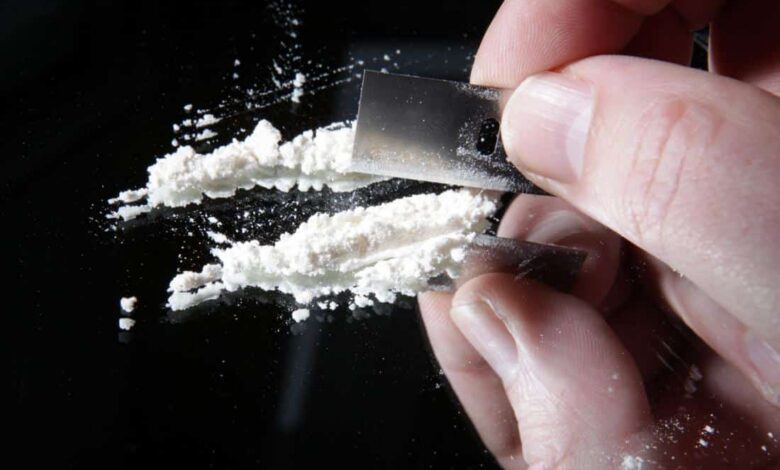
Cocaine addiction remains a major challenge for medicine. Despite advances in understanding the mechanisms behind addiction, no medication has yet established itself as an approved, consistently effective standard treatment for cocaine use disorder. However, new research is opening up potential avenues for treatment, particularly through psychotherapy and experimental therapeutic approaches.
Cocaine affects the brain’s reward system, especially the circuits involved in motivation, pleasure and learning. Repeated use can disrupt these mechanisms, making the urge to consume the drug increasingly difficult to control, even when a person experiences serious consequences for their health, relationships or professional life.
A complex condition that requires personalised care
Recovering from cocaine addiction involves much more than simply stopping drug use. The process can be accompanied by severe fatigue, sleep disturbances, low mood, anxiety and persistent cravings.
Treatment commonly includes psychological and behavioural interventions, such as cognitive behavioural therapy, alongside support programmes that help patients identify triggers, manage cravings and reduce the risk of relapse. Medical follow-up and social support can also play an important role.
One of the main difficulties is that cravings may return long after a person has stopped using cocaine, particularly during stressful periods or when they encounter environments and situations associated with previous drug use.
Psilocybin emerges as an experimental treatment candidate
One approach attracting growing scientific interest is psilocybin, a psychedelic substance being investigated in carefully controlled medical settings. A randomised clinical trial examined psilocybin-assisted psychotherapy in 40 adults with cocaine use disorder.
Participants received either psilocybin or an active placebo, while both groups underwent structured psychotherapy. The researchers found that participants who received psilocybin had a higher proportion of cocaine-free days, a greater likelihood of complete abstinence and a lower risk of returning to cocaine use during the 180-day follow-up period.
These findings are encouraging, but they need to be interpreted cautiously. The study involved a small number of participants, and larger clinical trials are necessary to confirm the results, assess safety and determine which patients might benefit from this approach.
Psilocybin is not currently an established routine treatment for cocaine addiction. Using it outside a properly supervised medical or research setting should not be considered a validated treatment strategy.
Why developing effective medications remains difficult
Researchers have spent years investigating compounds that might reduce cravings, prevent relapse or help people maintain abstinence. However, the results have been inconsistent.
A systematic review and network meta-analysis published in Addiction in July 2026 examined a broad range of studies on pharmacological treatments for cocaine use disorder. The researchers found no convincing evidence that any medication was consistently effective for treating the condition. They also highlighted limitations in the quality and certainty of evidence for several approaches.
One explanation is that addiction involves several interacting biological, psychological and environmental mechanisms. Symptoms, triggers and associated difficulties vary from one individual to another. A treatment that helps some patients may therefore have little effect on others.
Preventing relapse is a crucial part of recovery
Stopping cocaine use does not necessarily mark the end of treatment. Relapse prevention remains an essential part of recovery because cravings may persist and psychological or social difficulties can continue to affect everyday life.
Regular follow-up can help identify high-risk situations, adjust treatment strategies and address co-occurring conditions such as depression or anxiety. Support groups, psychosocial care and greater stability in daily life may also contribute to long-term recovery.
It is important to recognise that a relapse does not automatically mean treatment has failed. Instead, it may indicate that a different approach or more intensive support is needed.
New hope, but no definitive cure yet
Recent research reflects a gradual shift towards a broader understanding of cocaine addiction, combining investigations into brain mechanisms, psychological interventions and experimental therapies. Early findings involving psilocybin deserve further investigation, but they should not be presented as proof of a guaranteed cure.
For now, treatment primarily relies on individualised support, behavioural therapies and sustained follow-up. Future progress will depend on confirming preliminary findings, identifying patients most likely to benefit from particular interventions and ensuring that effective care is accessible.
The challenge is twofold: developing more effective treatments while improving the support available to people living with cocaine addiction. Although scientific advances are creating new possibilities, recovery remains a process that requires time, appropriate care and ongoing medical and psychological support.