Israel on the Brink of an Electoral Earthquake as 37 Lists Contest Netanyahu’s Future
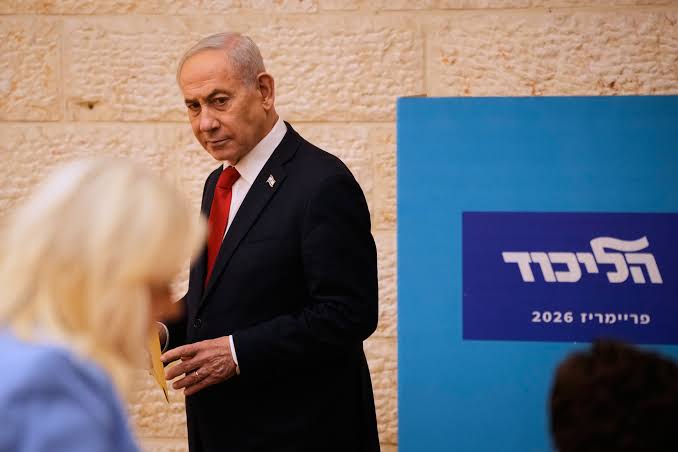
Competition among Israeli parties is intensifying just days before a pivotal Knesset election. The vote, the twenty-sixth in Israel’s history, is scheduled for October 27, amid expectations of record turnout.
The electoral process enters a new phase on Tuesday evening, when the Israeli military is set to open nearly 800 polling stations for soldiers to vote early wherever they are deployed. These include 40 military sites in the Gaza Strip, positions in southern Lebanon and nine sites in Syria.
A total of 37 electoral lists are competing for the votes of 7.33 million Israeli voters, approximately 1.2 million of them Arab citizens of Israel. Opinion polls suggest that only eleven to thirteen lists will clear the electoral threshold of 3.25 per cent of votes cast.
The competing lists represent three camps. The first is the governing right-wing coalition led by Benjamin Netanyahu. The second comprises opposition parties led by Gadi Eisenkot. A third camp contains three lists: two representing Arab parties and another advocating an economic platform without a clearly defined political position. These lists have not committed to either of the two main blocs.
Any coalition seeking to form Israel’s next government will need the support of at least 61 members of the 120-seat Knesset.
The Right-Wing Coalition Camp
The governing right-wing camp comprises six lists, the largest being Benjamin Netanyahu’s Likud. It also includes Otzma Yehudit, led by extremist politician Itamar Ben-Gvir, and Shas, which represents Sephardi ultra-Orthodox Jews.
The bloc also includes United Torah Judaism, representing Ashkenazi ultra-Orthodox Jews, and the “People of Israel” party led by Ofer Winter. The latter is the only party in the governing coalition polling around the threshold required for representation in the next Knesset.
The camp also includes Bezalel Smotrich’s Religious Zionist Party, which is contesting the election on a joint list with the right-wing Zehut party.
Israeli opinion polls project that this bloc will win between 50 and 51 seats.
The Opposition Camp
The anti-Netanyahu opposition camp comprises four main lists. The largest is the Yashar party list, led by former military chief Gadi Eisenkot. It also includes Yisrael Beiteinu, headed by Avigdor Lieberman.
The other two lists are the “Together” alliance, led by Naftali Bennett in partnership with Yesh Atid leader Yair Lapid, and the Democrats, representing Israel’s traditional left following the merger of Meretz and the Labour Party.
Polls project between 51 and 55 seats for this camp in the next Knesset.
The opposition enjoys two advantages that Netanyahu’s bloc lacks. All its lists appear safely above the electoral threshold, and it is better placed to secure support from parties in the third camp, improving its chances of forming the next government.
The Third Camp
This camp comprises three electoral lists that have yet to determine their alignment. It includes Arab parties that openly call for Netanyahu’s removal, although their involvement in an alliance with the Israeli opposition faces resistance within the opposition parties themselves.
The Joint List, led by Yousef Jabareen, is the largest list in this camp. It brings together three Arab parties that decided to contest the election jointly: the Democratic Front for Peace and Equality, led by Jabareen; the National Democratic Assembly, headed by Sami Abu Shehadeh, who withdrew from the election ahead of an anticipated judicial decision to disqualify him; and the Arab Movement for Change, led by Ahmad Tibi.
The third camp also includes the United Arab List, led by Mansour Abbas. For the first time, it has included a Jewish candidate on its slate. The party previously helped support an Israeli government opposed to Netanyahu in 2021.
Also in this camp is the “Reservists and Economists” list, formed through the merger of two small parties led by Yoaz Hendel and Yaron Zelekha. The formation is polling around the electoral threshold, clearing it in some surveys but falling short in others.
Opinion polls project that the two Arab lists will win between 14 and 15 Knesset seats. Their support would therefore become essential for Eisenkot to form the next government unless he succeeds in securing defections from Netanyahu’s camp.