From Iran to the South China Sea: Report to Trump Warns of a Defence Catastrophe in 2027
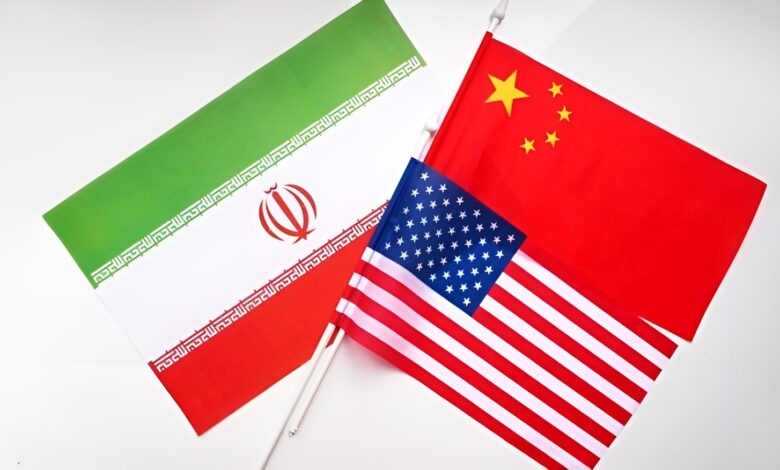
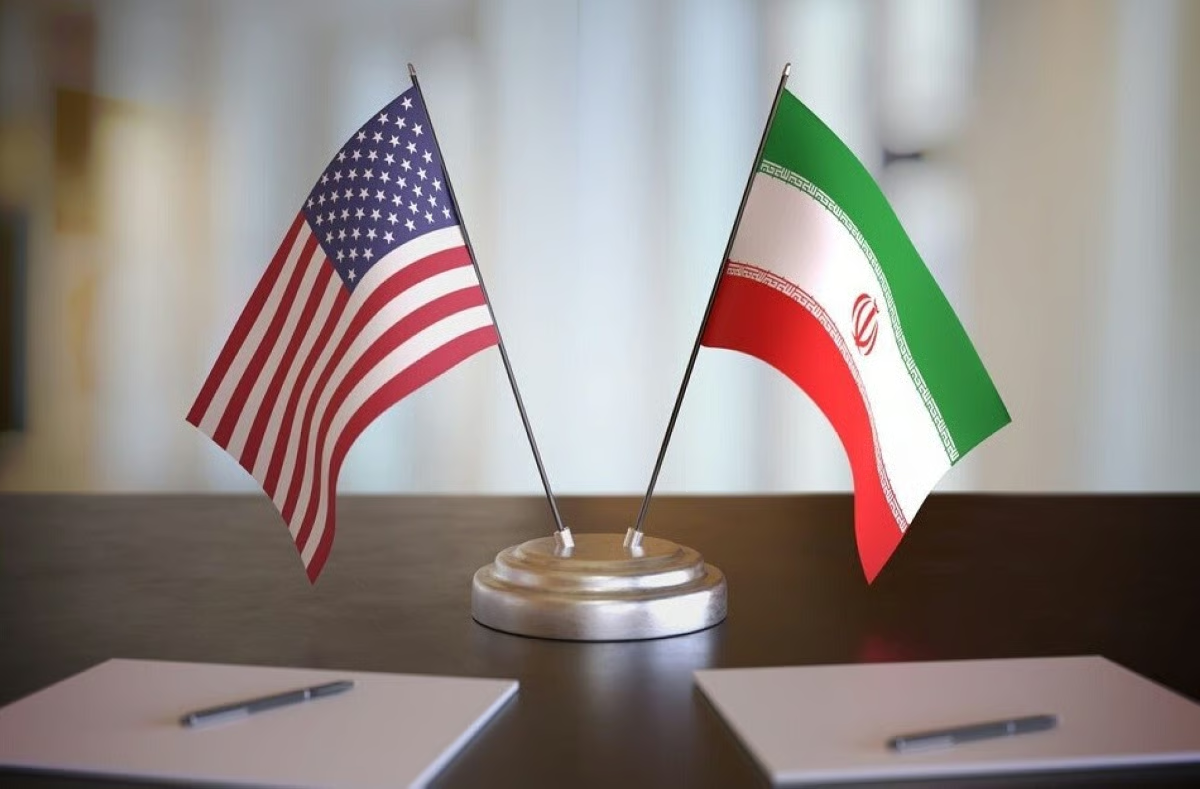
US diplomatic sources close to National Security Council officials said that the State Department had submitted a report to President Donald Trump examining Chinese assessments of the future US military presence in the South China Sea, the western Pacific and the Indian Ocean. The assessments consider the consequences of Washington’s continued involvement in military escalation in the Middle East and the accompanying redistribution of forces and capabilities.
According to the Chinese assessments, 2027 could bring significant shifts in the deterrence balance between Washington and Beijing, particularly in the South China Sea.
The sources said Washington had been monitoring these assessments, some of which were discussed during official meetings between Chinese representatives and their counterparts in several countries. They suggest that repeated US military movements, force repositioning and changes to—or suspension of—operational decisions are placing growing burdens on American military and security institutions, limiting their ability to focus on several strategic fronts simultaneously.
The assessments argue that a continued reduction in US military assets in and around the South China Sea could affect Washington’s ability to deter Beijing and project power. It could also undermine the confidence of its Asian allies, particularly Japan, South Korea, the Philippines and Australia, in its ability to fulfil defence commitments.
Conversely, such a reduction could give China greater room to strengthen its regional influence and draw more countries closer, taking advantage of US involvement in the Middle East.
Military Strain and Concerning Figures
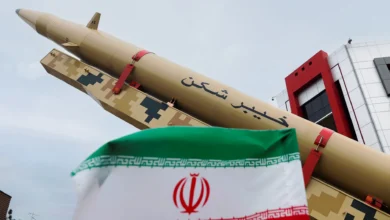
These concerns follow the redeployment this year of several US military assets from the South China Sea and western Pacific to the theatre of operations associated with Iran.
The movements included the aircraft carrier Abraham Lincoln, which participated in operations before heading to San Diego, California, for maintenance in early October. They also involved guided-missile destroyers, Marine units and amphibious assault ships, including the Tripoli, which can operate F-35B fighters, as well as THAAD missile defence systems.
A US diplomat close to National Security Council officials said that the Chinese assessments extended beyond the South China Sea to other US deployment locations. They envisage reductions of more than 50% in military assets at some locations if Washington continues expanding its military preparations related to Iran.
The source described this scenario as a direct threat to US national security interests. According to the information the diplomat provided, some deployment locations in the Indian Ocean and western Pacific have experienced declines of more than 60% in military activities, including air sorties, manoeuvres and training.
Meanwhile, US military and security institutions are examining the consequences of interceptor and long-range missile expenditure during the war with Iran. Some estimates suggest that replenishing certain munitions could take two years.
A particular concern is that continued operations could deplete stocks allocated to other theatres. This is encouraging consideration of additional production capacity to meet requirements against Iran without drawing down reserves needed to maintain US readiness elsewhere.
These developments renew questions about the future American military presence in the South China Sea, a central arena of strategic competition between Washington and Beijing, closely connected to Asian allies’ security and tensions surrounding Taiwan.
China Tests Washington’s Capacity
Mohamed Bayram, a specialist in US-China relations, believes Beijing does not necessarily need to force the United States out of the South China Sea. Rather, it seeks to exploit Washington’s need to divide military resources between the Middle East and the Indo-Pacific.
Bayram said the war with Iran consumes more than missiles and precision munitions. It also places pressure on air defence systems, naval forces and military supply chains, making it harder to maintain the same readiness levels across all US deployment areas.
He argued that China’s immediate objective is not necessarily to remove American forces from the region, but to test Washington’s willingness and ability to honour its security commitments. This comes amid growing questions about the adequacy of US ammunition stocks and its capacity to respond rapidly to a potential crisis in the western Pacific.
Bayram nevertheless stressed the distinction between a reduced ability to sustain a prolonged war and losing the ability to deploy military forces. The United States, he noted, retains an extensive network of bases, forces and alliances across the Indo-Pacific.
Depletion of certain types of munitions therefore does not mean the collapse of the US military presence or that China can impose its will on the region. It could, however, force Washington to make more difficult calculations when confronting simultaneous crises.
A Two-Front Scenario: An Opportunity for Beijing
According to Bayram, the most sensitive vulnerability is the possibility of two crises erupting simultaneously—one in the Middle East and another in the South China Sea or Taiwan Strait. This would confront the US administration with difficult choices over intervention priorities and the allocation of military capabilities.
Such a scenario could offer Beijing a strategic opportunity to strengthen its position without direct military confrontation. It could intensify naval exercises, increase operational pressure and test the speed of the US response, while assessing the cohesion of Washington-led defence alliances in Asia.
Bayram said Chinese movements in the South China Sea reflected a growing effort to establish facts on the ground. He cited deployments of Chinese frigates and other vessels, along with repeated confrontations and threats involving US naval ships and those of other countries.
He said Beijing acts according to its own strategic calculations without giving US positions the weight Washington expects. Any reduction in the American military presence could therefore provide further encouragement for China to expand its freedom of action.
Bayram concluded that the war with Iran could open a strategic window for China, but would not automatically give it superiority in the South China Sea. The competition is about more than control of maritime routes: it also tests the United States’ ability to maintain deterrence across multiple fronts.