Security, Then Nuclear Verification, Then Talks: Washington Maps Tehran’s Route Back to the Table
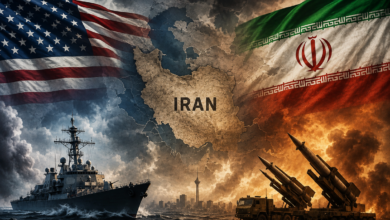
The US administration is considering preliminary security and nuclear conditions for resuming negotiations with Iran. These would include halting attacks on American interests and regional shipping, alongside verifiable commitments concerning highly enriched nuclear material.
Amid disagreements over the sequencing of reciprocal steps, Tehran faces US demands for practical action before receiving relief from the economic and military restrictions imposed on it.
-
When will the truce between the United States and Iran end?
-
Tehran confirms while Grossi denies targeting of Iranian nuclear sites
The discussions follow an initiative by US Vice President JD Vance to contact Mohsen Rezaei, secretary of Iran’s Supreme National Security Council, with President Donald Trump’s approval. The aim is to explore whether talks can resume after earlier understandings faltered. Tehran, meanwhile, continues to demand that the naval blockade be lifted, oil exports be allowed to resume, and its frozen funds be released.
A US source familiar with Iran-related consultations at the White House National Security Council said that internal discussions are focused on drafting specific initial commitments that Tehran could be asked to implement before comprehensive negotiations begin. These include ending threats to US facilities and forces and refraining from attacks on commercial vessels and civilian infrastructure in countries across the region.
-
In Search of Answers: Draft Resolution at the IAEA Board of Governors to Increase Pressure on Iran
-
Large-scale cleanup operation at a nuclear site: Is Iran erasing evidence of secret activity?
The source said the framework under consideration would seek an explicit Iranian commitment to halt military activities threatening navigation through the Strait of Hormuz, as well as assurances concerning armed groups linked to Tehran. Discussions also cover ways to document violations and measures that could be taken if the understanding is breached.
The administration is considering separating commitments that can be implemented immediately from matters requiring detailed negotiations. Evidence that Iran’s military and security institutions are complying with the understandings would be central to assessing any response received by Washington.
-
Iran announces upcoming visit by IAEA inspectors within two weeks
-
Talks with the US on the nuclear file?… Iran responds
Specific Security and Nuclear Demands
These discussions coincide with the continuing impasse over nuclear inspections. Addressing the Security Council on Tuesday, International Atomic Energy Agency (IAEA) Director General Rafael Grossi said inspectors were unable to verify the whereabouts and status of approximately 440 kilograms of highly enriched uranium because Iran had not provided the necessary information and access to its facilities.
According to the US source, proposals circulating within the administration include requiring Tehran to provide updated information on the storage locations and status of nuclear material. Iran would also be asked to accept preliminary technical arrangements with the IAEA allowing records and inventories to be verified before a long-term enrichment agreement is discussed.
-
IAEA Announces Departure of Inspectors from Iran
-
Iranian President Approves Suspension of Cooperation with IAEA
Washington is considering a sequence beginning with reciprocal security commitments, followed by nuclear verification measures and, ultimately, the resumption of formal negotiations. Discussions also continue over a mechanism to ensure that Iranian information reaches the relevant US authorities through reliable channels.
On October 6, Vance stressed that any agreement ending the war must deliver a tangible reduction in Iran’s uranium enrichment capabilities. He emphasised the importance of practical measures to address US concerns about the Iranian nuclear programme.
The source said current discussions include the possibility of leaving future enrichment levels and the fate of centrifuges to comprehensive negotiations, while requiring Tehran first to restore cooperation with the IAEA and provide the information needed to address existing monitoring gaps.
-
Trump Denies Seeking to Fund Iran’s Civil Nuclear Project
-
Iran’s Mount Fass: A Nuclear Stronghold Deeper Than Fordo and Natanz
Disagreement over Guarantees
Iran, by contrast, insists on US economic measures before making extensive nuclear concessions. These include ending the blockade of its ports and easing restrictions on oil exports. Recent regional contacts have shown that disagreements persist over guarantees and the order in which commitments would be implemented.
The US source said options under discussion include limited, gradual American measures that could be tied to Iran’s fulfilment of specific commitments. Decisions on major sanctions would remain dependent on negotiating outcomes and verified implementation of agreements.
The proposals include potentially facilitating additional humanitarian transactions and establishing special arrangements for certain commercial vessels under a security understanding subject to review. Any broader economic steps would require attacks to remain halted and Iranian measures to be verified.
-
Iran’s Fordow… a secret beneath the mountain impervious even to the most powerful bombs
-
Bushehr Reactor… Nuclear Fear Factor Deters Israeli Strikes
On managing communications, the source said the vice president’s office remains one of the channels being considered to coordinate the next political phase, in cooperation with the National Security Council and the State Department. Technical and security teams could prepare the details concerning verification and military commitments.
These potential arrangements come amid continuing threats between Washington and Tehran and US warnings that military operations could resume after the November 3 midterm elections. Pressure on Iran also continues over disruption to shipping and its refusal to restore full nuclear inspections.
According to the source, progress towards a new negotiating phase will depend on Iran’s response and Tehran’s willingness to offer commitments whose implementation can be tested. The US administration retains its military and economic options while considering the next diplomatic steps.
-
Israeli or American Strike… How Is Iran Preparing for the Worst-Case Scenario?
-
Washington Charts a New Course for Nuclear Negotiations with Tehran by Sidelining Europeans
-
From Natanz to Arak: Iran’s Key Nuclear Facilities