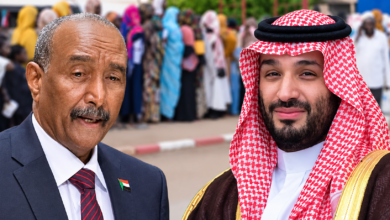
Sudan’s Islamist Brigades Say No to Riyadh: The Al-Bara ibn Malik Dilemma and Political Autonomy
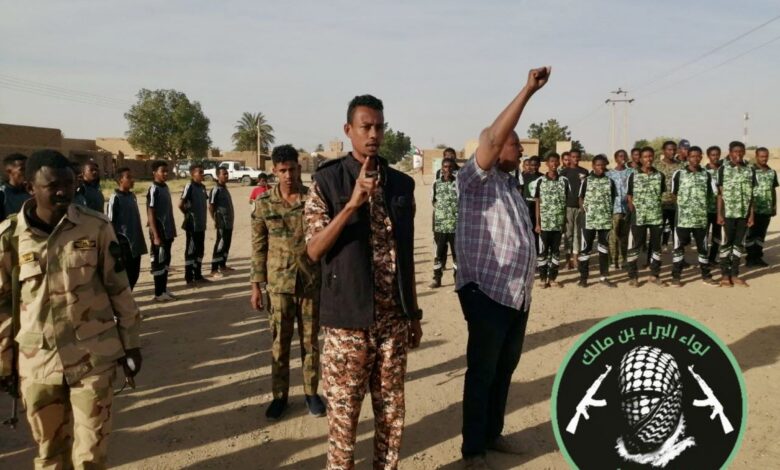
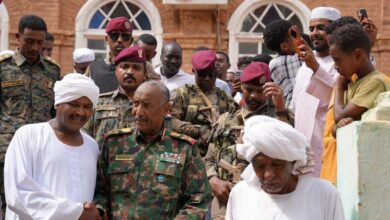
By asking “Why did Sudan’s political Islamist brigades say no to Riyadh?”, African media, particularly Kenyan outlets, opened a sensitive debate. The Star and Hivileo examined the growing influence of irregular armed groups in Sudan, foremost among them the Al-Bara ibn Malik Battalion, and the extent of their independence from the Sudanese Armed Forces’ official leadership. Their categorical rejection of external military requests highlights a transformation: once supporting forces for the army, these formations are becoming a political and strategic actor capable of shaping and directing the state’s foreign policy.
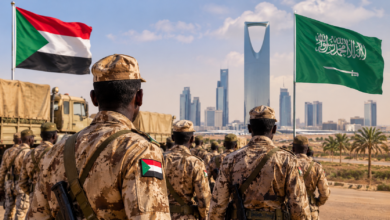
Why the Islamist Brigades Rejected Saudi Arabia’s Yemen Request
Kenyan newspapers analysed the reasons behind the armed Islamist brigades’ firm opposition to Riyadh’s request for Sudanese fighters. Their analysis centred on three main factors:
- Historical ideological hostility: political Islamist brigades view Saudi Arabia’s regional role with suspicion. They believe Riyadh has pursued a longstanding strategy aimed at undermining the influence of political Islamist movements across the region.
- Preserving domestic combat strength: these battalions believe that deploying forces to Yemen would weaken the personnel and military capabilities they need for what they describe as an “existential battle” against the Rapid Support Forces inside Sudan.
- Rejecting subordination: the armed brigades seek to assert their independent decision-making and send a clear message: Sudanese fighters are no longer available for hire or for regional arrangements that do not directly serve the Islamic Movement’s objectives.
Al-Bara ibn Malik at the Centre of International Scrutiny
The Al-Bara ibn Malik Battalion has emerged as one of the most prominent and formidable armed factions fighting alongside Sudan’s army. It attracted considerable international attention after the battalion and its leaders became subject to US sanctions and allegations involving the destabilisation of Sudan and the incitement of violence, alongside its links to the former regime’s ideological structures.
According to the reports cited, US sanctions and international pressure have made the battalion more uncompromising, inward-looking and resistant to outside demands or regional settlements involving actors it regards as unfriendly. The presence of Al-Bara ibn Malik and other Islamist-oriented “popular resistance” brigades reportedly created an ideological barrier that frustrated al-Burhan’s attempts to strengthen military ties with the traditional Arab bloc.
Islamist Brigades’ Autonomy and the Future of Sudanese Decision-Making
According to the analysis presented by Live Nation 254, the crisis demonstrates that Sudan’s political Islamist brigades now possess an “armed autonomy,” giving them an effective veto over military decisions. Al-Burhan would no longer be able to take a major strategic step, such as deploying troops abroad, without their approval.
This new reality raises complex questions about Sudan’s future and the unity of military decision-making. How can a regular army coexist with armed ideological brigades that maintain their own interpretation of regional and international conflicts—and impose it on the high command?