Al-Burhan Between Riyadh and the Muslim Brotherhood: Who Controls Military Decisions in Sudan?
Reports by Britain’s EUToday and Kenya’s Hivileo expose a crisis of loyalty within the Port Sudan camp: the army leadership seeks regional allies, while Islamist formations resist its calculations.
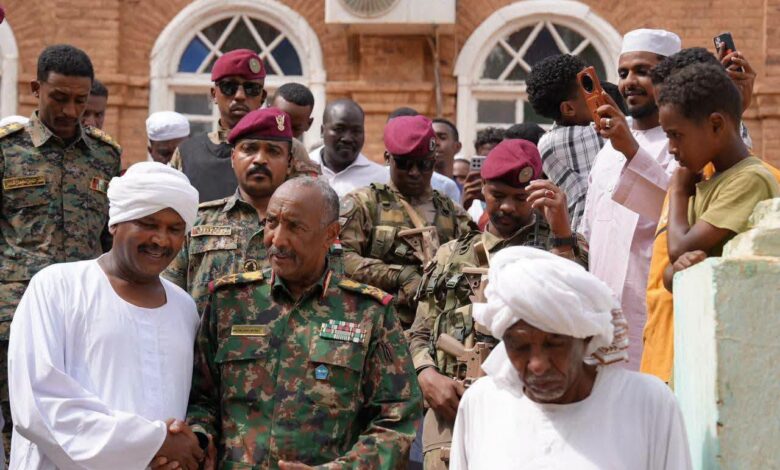
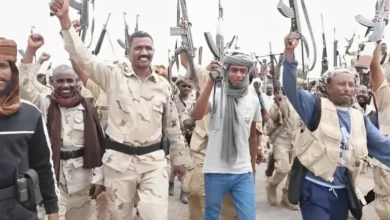
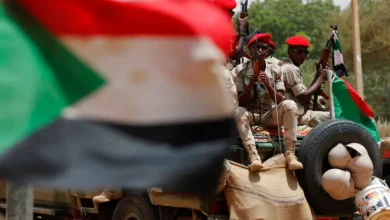
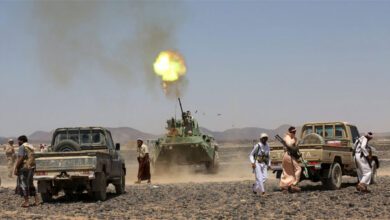
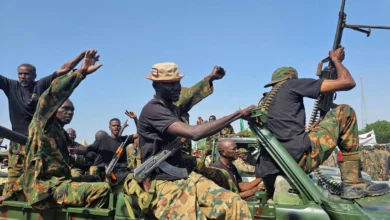
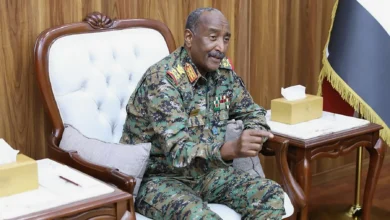
Sudan’s crisis is no longer confined to the confrontation between the army and the Rapid Support Forces, or the struggle over cities, strategic positions and economic resources. Another crisis is taking shape within the camp fighting under the army’s banner: who holds actual decision-making power, who sets the war’s priorities, and who can compel armed groups to act when their interests conflict with those of the military leadership? Reports concerning a Saudi request for Sudanese fighters to be sent to Yemen have revived these questions, describing an army refusal or difficulties in responding, alongside firm opposition from Islamist brigades to shifting the fight from Sudan to Yemen.
-
From the October 25 Coup to the April War: Why Are Sudanese People Again Demanding Accountability from al-Burhan?
-
Sudan’s Hunger Uprising: How Has the Cost-of-Living Crisis Put Direct Pressure on al-Burhan’s Rule?
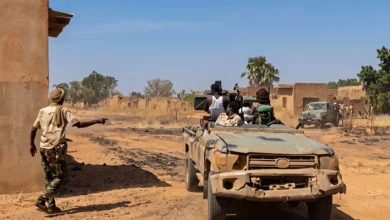
These developments expose a troubling contradiction between the official portrayal of the army as a unified national institution and a battlefield reality combining regular formations with armed groups of differing political and ideological backgrounds. During domestic fighting, these forces can coexist around a shared objective. When an issue demands a strategic decision beyond national borders, however, the question becomes clearer: do all these formations genuinely answer to one military command, or are there independent centres of influence that regard the army as an ally rather than an unquestioned authority?
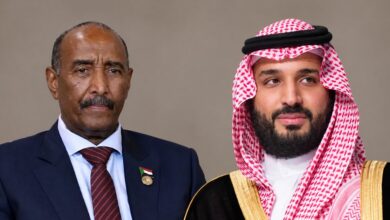
On November 3, 2026, Britain’s EUToday published a report titled “Burhan’s Fuel-for-Fighters Deal with Saudi Arabia Angers Islamists”. It examined an alleged understanding between al-Burhan and the Saudi leadership involving fighters in exchange for fuel. The potential contingent could reportedly include regular units and Sudan Shield Forces personnel. The report said the initial information came from Sudanese newspaper Al-Tanweer, citing informed sources, and that the force’s size and mission had not been announced.
-
Protests in Port Sudan and Khartoum Reveal Eroding Popular Support for al-Burhan
-
Al-Burhan’s Corruption and the Collapse of the Sudanese Pound: Who Answers for Rising Food, Medicine and Fuel Prices?
Politically, the most important element was that the report went beyond presenting a possible arrangement between two states. It connected the issue to anger among armed Islamist circles over the prospect of sending fighters to Yemen. This reveals an emerging divide between a leadership needing to preserve regional relationships and armed formations unwilling to abandon their military and political priorities inside Sudan.
Al-Burhan, who has led the army for years, faces a difficult equation. He needs external support in fuel, financing, diplomatic relationships and logistics. He also needs allied armed formations to remain involved in the domestic war. Any attempt to impose a decision they reject could trigger a crisis within the military camp, potentially opening the way to political or organisational confrontation.
-
Al-Burhan’s Corruption and the Sale of Sudan’s Wealth: Are Gold Concessions Being Exchanged for Military Deals?
-
Corruption under al-Burhan and the Army: Where Has Sudan’s Money Gone?
This dilemma cannot be understood separately from the relationship between the military establishment and the Sudanese Islamic Movement. The movement was not a marginal political current in Sudan’s modern history. It exercised decades of influence within state institutions under Omar al-Bashir. The regime’s fall in 2019 did not automatically erase its organisational, social and security networks. Elements of that legacy remained present in different forms and to varying degrees.
When war erupted in April 2023, Islamist-oriented armed formations emerged within the pro-army camp and became part of the military and political equation. Their presence raises a fundamental question about the limits of their independence. Fighting alongside the army does not necessarily mean complete subordination to it. Receiving support or weapons from military institutions likewise does not guarantee unified political and organisational decision-making.
-
Al-Burhan Opens Sudan’s Doors to Cairo and Ankara: Who Will Protect Its Land and Resources from Influence Deals?
-
From Anger over Living Conditions to Political Protest: Why Are Sudanese People Calling for al-Burhan to Leave?
The issue is particularly apparent in the case of the Al-Bara ibn Malik Battalion. The group has become controversial because of its links to the Sudanese Islamic Movement and US sanctions imposed on it before its inclusion in subsequent designation measures targeting the movement. In March 2026, the US State Department announced the designation of the Sudanese Islamic Movement as a Foreign Terrorist Organization, listing Al-Bara ibn Malik among its aliases. The designation took effect upon publication in the Federal Register on March 16.
That decision must be considered when analysing al-Burhan’s relationship with these formations. Washington attributed serious abuses against civilians to the Sudanese Islamic Movement and its armed wing, and stated that some fighters had received training and support from Iran’s Islamic Revolutionary Guard Corps. These are official US allegations and must be attributed to the authorities making them. They nevertheless raise sensitive political and diplomatic questions for the army leadership about the forces on which it relies.
-
Ikhtana: A Sudanese Cry Against al-Burhan as Calls Grow to End Military Rule
-
Al-Burhan Faces Public Anger: Is the Legitimacy of Port Sudan’s Authorities Eroding?
Strategically, these groups’ position on the Saudi request becomes more complicated. Fighting the Houthis involves regional balances linking Saudi Arabia and Iran. If, according to the US account, these formations received support or training from Iranian actors, fighting the Houthis—Tehran’s strategic partners—could create political and ideological contradictions. Such contradictions do not automatically establish operational coordination with the Houthis, however, and cannot prove a direct military alliance without evidence.
This is the paradox explored by Kenyan reporting. On November 2, The Star examined why Sudanese Islamist brigades rejected Riyadh’s Yemen request. On November 3, Hivileo published an analysis titled “The Rejected Request: Why Sudan’s Political Islam Brigades Said No to Riyadh”. This coverage shows that the debate extends beyond al-Burhan’s position to the relationship between the army and armed Islamist formations.
-
Leave Us Alone, al-Burhan: Popular Anger Reaches Beyond the Digital World
-
Al-Burhan Faces Public Anger: Weapons Fail to End the War as the Ikhtana Hashtag Opens an Accountability Debate
The central problem is that al-Burhan may have to accommodate armed forces whose full compliance he cannot guarantee, despite his camp’s reliance on them in the domestic war. This is unstable: a military leadership unable to enforce a strategic decision on formations within its ranks faces a problem of unified command and control, an essential requirement for a national military institution.
Not every disagreement indicates the army’s collapse. Military leaders make decisions based on operations, resources and risks, and refusing to send troops to Yemen could be a rational choice given the continuing war in Sudan. The problem arises when military calculations overlap with political and organisational loyalties, and an armed faction can obstruct or constrain the leadership’s options.
-
Leave Us Alone, al-Burhan: Sudanese Anger Grows Amid Weapons Allegations and Continuing War
-
Yellow Clouds over Khartoum: Investigating the Secret Chemical Weapons Documents Linked to al-Burhan’s Army
Al-Burhan therefore bears responsibility for clarifying the nature of formations fighting under the army’s umbrella, their relationship with official institutions and their compliance with military law. Sudan cannot emerge from war by building a state in which every armed group pursues its own calculations and every political or ideological leadership can influence military decisions.
The situation also presents Saudi Arabia with a problem beyond a rejected military request. A state seeking assistance from an ally needs to know who can authorise troop deployments, who can guarantee implementation and whether promised forces will arrive or remain dependent on allied factions’ approval. If final authority is divided between several centres of influence, any military agreement risks obstruction.
-
Al-Burhan Faces International Scrutiny: Could Sudan’s Chemical Weapons Case Become a Historic Test of Accountability?
-
Al-Burhan Sold Sudan’s Decision-Making Autonomy and Drew the Country into Regional Bargaining
Relations between Riyadh and Port Sudan should not be reduced to fuel or assistance. Saudi interests in the Red Sea, regional security and Sudanese stability extend beyond a temporary military deal. Relying on unclear understandings with a leadership embedded in overlapping alliances could therefore prove counterproductive, particularly when economic interests become leverage for securing fighters.
The problem is greater when the country being asked to deploy troops is engulfed in a war threatening its national unity. Every fighter leaving Sudan’s front lines for Yemen or elsewhere may create an operational gap. Every armed force granted independent privileges may later become a centre of influence that is difficult to integrate into the military.
-
Al-Burhan and Sudanese Sovereignty: When Staying in Power Matters More Than Land and Lives
-
Al-Burhan Between Governing Legitimacy and a Sovereignty Crisis: Has Sudan’s State Become Hostage to the Struggle for Power?
Sudan needs a clear plan to rebuild a professional army, rather than expand a network of competing armed formations. A national institution must rest on a clear chain of command, one legal framework and accountability without exceptions. Foreign support should accompany a process leading to an end to the war and the restoration of the state, rather than strengthen armed groups.
If its details are confirmed, rejection of the Saudi request would be more than an embarrassment for Riyadh. It would reflect a deeper crisis within the Port Sudan camp. Alliances that appear cohesive against a common opponent can fracture over the distribution of influence or the destination of fighters. Al-Burhan, who needs these forces to remain in the war, faces an unavoidable question: does he lead a national army that controls its decisions, or manage a coalition of armed forces that agree with him in some battles and oppose him in others?
The answer will determine Sudan’s future more than the number of fighters who might be sent to Yemen or the amount of fuel obtainable from abroad.
-
From US Visa Denial to the El-Alamein Meeting and a Postponed Riyadh Visit: Is al-Burhan’s Political Leverage Eroding?
-
Al-Burhan Between Washington’s Pressure and Port Sudan’s Calculations: Islamists and the Struggle to Remain in Power
-
Washington Undermines al-Burhan’s Legitimacy: Visa Denial Becomes an Open Political Confrontation