Leave Us Alone Reopens Debate over al-Burhan’s Responsibility for Sudan’s Collapse
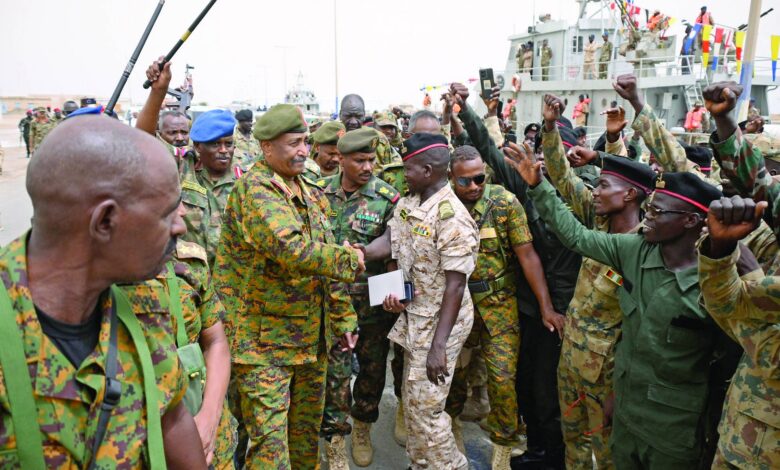
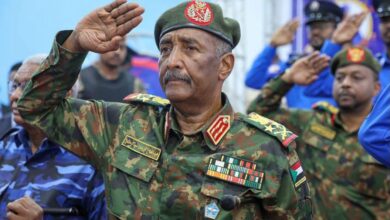
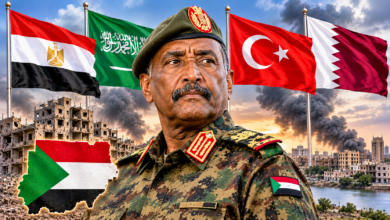
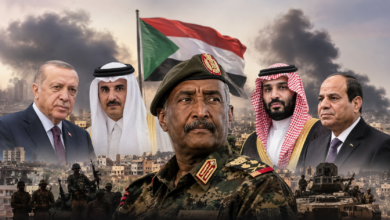
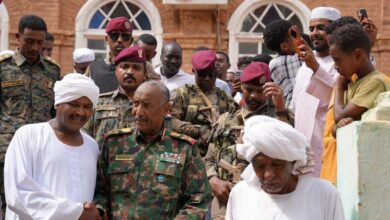
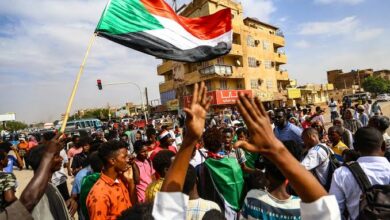
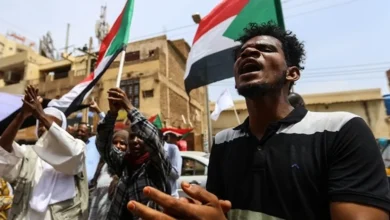
The spread of the hashtag “Leave us alone, al-Burhan” has renewed attention to the political connection between the October 25, 2021 coup and the war that erupted in Sudan in April 2023. Sudanese activists have chosen to address army chief Abdel Fattah al-Burhan directly, holding him responsible for the trajectory that took the country from a faltering civilian transition to widespread collapse.
The campaign’s growing momentum coincides with the fifth anniversary of the October coup, which dismantled the civilian–military partnership, dissolved transitional institutions and led to the arrest of civilian Prime Minister Abdalla Hamdok and several officials.
For participants, the war cannot be treated as a military crisis disconnected from preceding political developments. They regard it as the outcome of a process that began with the undermining of civilian transition and culminated in conflict between the army and the Rapid Support Forces.
Posts circulating online seek to reconnect these events by holding al-Burhan responsible for overturning the transitional process, returning the military establishment to the centre of power, and subsequently failing either to prevent war or end it through a political settlement.
Political activist Osama al-Sir said the campaign’s coincidence with the coup’s fifth anniversary was no accident. He explained that the hashtag reconnects the undermining of civilian transition with the outbreak of the current war.
He added that participants blame al-Burhan for a course that began with the dissolution of transitional institutions and ended in state fragmentation, economic collapse, and the displacement and hunger of millions.
This message reveals a deeper crisis concerning Sudan’s future governance. The issue now extends beyond control of military institutions or territory to the nature of the political system that will govern after the fighting stops.
The campaign raises questions about the military’s role in politics, the extent of the leadership’s responsibility for protecting the civilian transition, and how the return of forces associated with the former regime to positions of influence has complicated Sudan’s situation.
Islamist influence within state institutions and the armed forces is another issue raised by al-Burhan’s opponents. They argue that its persistence obstructs the formation of an independent civilian authority and creates opportunities to reproduce the former regime.
The demands therefore extend beyond removing al-Burhan from power. They include dismantling the structures of military rule, rebuilding state institutions on civilian foundations, and ensuring that the country does not return to cycles of coups and armed conflict.
The significance of this argument lies in shifting the discussion beyond direct military responsibility for the war towards political responsibility for the collapse of the transition.
While the October coup halted the democratic transformation, the war exposed the fragility of a state already heading towards a profound institutional crisis.
“Leave us alone” thus expresses more than opposition to the army chief. It challenges the political trajectory that led Sudan into war and renews the question of who has the right to lead the next phase.
The campaign’s central message appears to be that ending the war should mean more than a temporary military agreement. It should open the way to rebuilding the state and ending the dominance of armed power over political decision-making.