Iraq’s al-Zaidi dismisses security chiefs and imposes federal oversight on Kurdistan’s oil sector
Iraq’s prime minister has widened investigations into oil-smuggling networks to cover export contracts and border crossings, raising questions about the implications for oil agreements between Baghdad and Erbil.
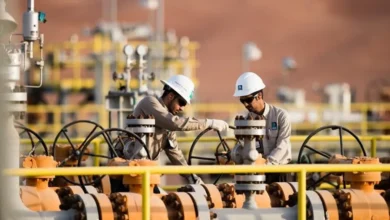
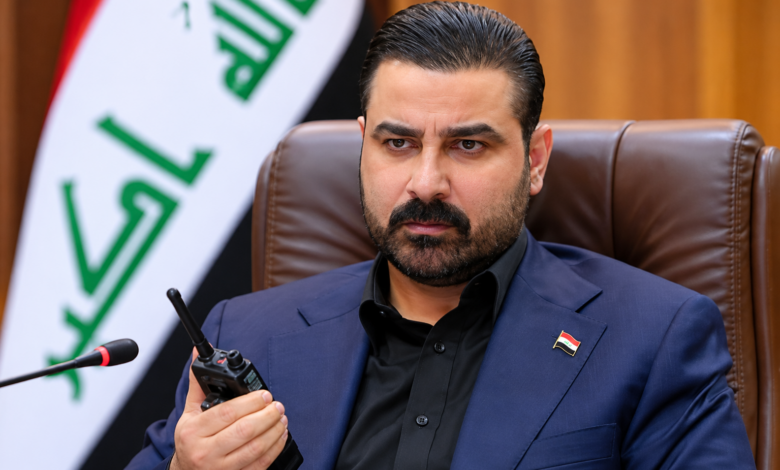
Iraqi Prime Minister Ali Faleh al-Zaidi has expanded his crackdown on oil smuggling, ordering tighter oversight of the production and export of crude oil and petroleum products in the Kurdistan Region and elsewhere. No shipments are to leave without approval from the federal Oil Ministry. The move reflects the government’s effort to bring the sector under state oversight after oil theft and smuggling were uncovered in Jurf al-Sakhar and several other governorates across the country, from south to north.
Sabah al-Numan, spokesperson for the commander-in-chief of the armed forces, said al-Zaidi had taken a series of administrative and disciplinary measures after reviewing the findings of a committee investigating oil smuggling at the North Oil Company. The measures include removing officials from office, dismissing security chiefs, suspending several directors, and referring cases to the Integrity Commission and the judiciary. They also include steps to close illegal crossings in the Kurdistan Region.
Al-Zaidi asked the regional government to route all approvals for exports of crude oil and petroleum products through the federal Oil Ministry. He also directed the Border Crossings Authority to take over all crossings in the region and instructed the Oil Ministry to manage the fields under its jurisdiction in Diyala, Kirkuk, Salah al-Din, and Nineveh, including sites where the Kurdistan authorities are responsible for security.
The plan also tasks border forces with closing unofficial crossings into neighboring countries, including those in the Kurdistan Region, and shutting unauthorized routes linking the four governorates to areas of Kurdistan. The energy police will use cameras to monitor oil fields. Checkpoints and laboratories will be set up at entry points to Erbil, Sulaymaniyah, and Duhok, staffed by personnel from the Oil and Interior ministries and the security services.
The decisions reflect the government’s intention to pursue violations in the oil sector across all institutions and regions. The government is seeking to show that its anti-corruption drive applies to anyone found responsible for misappropriating public resources or facilitating their smuggling, regardless of political or security affiliation.
Extending the measures to border crossings and oil fields in the Kurdistan Region could, however, trigger a dispute with the regional government without prior political and technical coordination. Control over oil and exports has been one of the main points of contention between Baghdad and Erbil for years. The issue is particularly sensitive because the two sides reached understandings in March 2026 on resuming exports through the region’s pipeline to the port of Ceyhan and returning the proceeds to the federal treasury through a joint committee bringing together the Oil and Natural Resources ministries.
Al-Zaidi’s decisions thus place stricter federal demands on the regional government over the management of oil fields and border crossings. The campaign’s success will depend on Baghdad’s ability to carry out the directives and pursue those involved while preserving the oil agreements and preventing the crackdown from turning into a new political confrontation between the two sides.
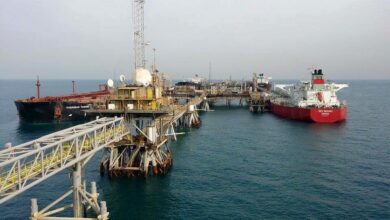
The decisions come amid investigations that broadened after suspicions emerged that oil had been siphoned from pipelines in the Jurf al-Sakhar area of Babil governorate, stored, and then transported by tanker truck to undisclosed locations. Investigators are also examining other routes suspected of having been used to transport oil and petroleum products from Kirkuk and the Kurdistan Region through Iran to Afghanistan. The case spans multiple areas and administrative jurisdictions.
Al-Zaidi removed the head of the Border Crossings Authority and dismissed Kirkuk’s operations commander and police chief. He also relieved the commander of the First Energy Police Brigade, his deputy, the brigade’s intelligence chief, and the head of its checkpoints unit. He ordered reprimands for the governorate’s national security and intelligence directors and suspended the North Oil Company’s director general and his deputies pending the outcome of the investigation. The company’s former director was also referred for investigation.
The measures also included the removal of the head of the Petroleum Products Distribution Company’s inspection department in Kirkuk. The director general for industrial development and the director general of the Mining Industries Company, both under the Ministry of Industry and Minerals, were suspended pending the findings of investigations by the Federal Commission of Integrity.
The inquiry also covers commercial transactions. The prime minister ordered an audit of contracts for the sale of petroleum products between the North Oil Company and Al-Mihwar al-Fiddi, as well as other companies, to verify the quantities actually supplied. He also ordered a review of procedures for delivering crude to the Bazian and KAR refineries, checks to establish whether the volumes dispatched matched those received, and an investigation into licenses granted to industrial facilities suspected of causing losses of public funds.
Investigators are also to examine payments made to civilian guards responsible for protecting oil pipelines amid suspicions that some were absent from their posts. They will also investigate the lack of laboratory testing and determine the volumes of petroleum products exported through the region’s border crossings.
To strengthen technical oversight, al-Zaidi ordered the creation of a national digital system to monitor pipelines and detect smuggling, as well as the installation of electronic meters at all active wells. He also called for a uniform system to regulate the movement of petroleum products between governorates and border crossings. Finally, he gave the Ministry of Industry six months to relocate oxidized asphalt and naphtha plants from areas outside federal security control to other sites within the four governorates concerned.