Ballot-Box Calculations and Autumn Bombs: Three Priorities Delaying Trump’s Next Strike on Iran
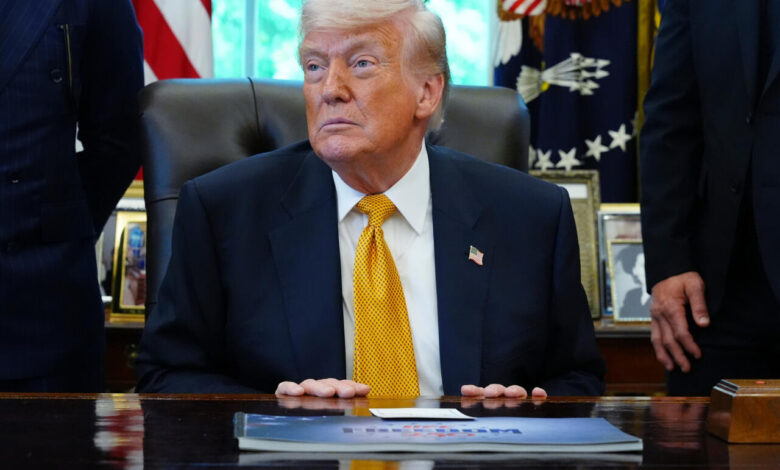
US President Donald Trump is reportedly linking the course of military operations against Iran directly to the timing of the congressional midterm elections scheduled for November. This connection offers insight into the strategic, logistical and electoral calculations shaping the White House’s management of the confrontation with Tehran, according to sources who spoke to Erem News.
In his latest remarks last Thursday, Trump suggested that intensive bombing of Iran could resume after the elections. He also raised a more radical option, saying: “I may annihilate Tehran. That is possible.”
The statement highlights the complexities surrounding a confrontation that has entered a critical phase, with the interests of Washington, Tel Aviv and Tehran increasingly intersecting.
The timing of the threat, coupled with the postponement of any potential offensive until after the November elections, raises significant questions about the underlying reasons for the decision.
Three factors shaping Trump’s calculations
Western intelligence reports identify three main factors that may explain why a further strike against Iran is being postponed until after the midterm elections.
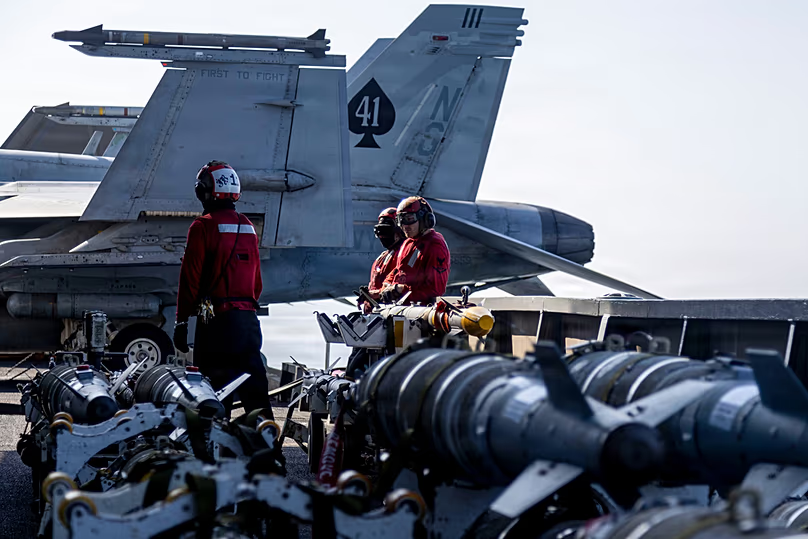
The first concerns depleted munitions and growing pressure on US strategic stockpiles. Trump has reportedly acknowledged partial shortages of certain types of American ammunition because of the intensity of aerial and missile strikes carried out against Iran over recent months.
According to the reports, the war has consumed large quantities of precision-guided missiles and tactical munitions. This has prompted the Pentagon to accelerate efforts to replenish its inventories and restock military depots to preserve its ability to wage a large-scale war.
Launching an intensive and destructive bombing campaign at this stage could therefore place the US Air Force in a difficult logistical position before supply chains have been fully restored.
The second factor relates to oil prices and the electoral consequences of inflation. Since the outbreak of the conflict, Iran has reportedly closed the Strait of Hormuz, disrupting nearly 20 per cent of the world’s oil supply.
The closure has driven fuel prices to record levels, directly affecting the finances of American voters.
Although Trump has defended these prices as a tactical cost of preventing Tehran from obtaining a nuclear weapon, his logistical advisers reportedly warn that any further military escalation before November could trigger severe economic disruption and undermine the Republican Party’s chances of retaining control of Congress.
Postponing a major strike would therefore allow Washington to restore the Strategic Petroleum Reserve to its previous levels before embarking on a major military operation.
The third factor involves negotiations, which Washington reportedly views as an Iranian attempt to delay the outcome of the conflict and avoid capitulation.
Leaks published by prominent American newspapers claim that Iran recently submitted a proposal through regional mediators offering a seven-day ceasefire, the reopening of the Strait of Hormuz and the resumption of nuclear negotiations.
In return, Tehran reportedly demanded that the United States lift its naval blockade of Iranian ports, remove oil sanctions and release frozen Iranian assets.
Trump publicly and categorically rejected the proposal, describing Iran’s conditions as entirely unacceptable. The current US strategy is therefore said to focus on maintaining maximum economic and military pressure to force Tehran into complete capitulation and secure a comprehensive nuclear agreement on Washington’s terms.
Diverging priorities
Western sources believe that this complex situation is reflected in the differing priorities guiding the main powers involved in the war.
On the one hand, the US administration is reportedly focused on establishing a form of operational control over the Strait of Hormuz and maintaining the naval blockade. This would give Washington time to rebuild its military stockpiles and secure the domestic front before the November elections, while avoiding major economic shocks. It could then seek to impose a coercive settlement on Tehran or proceed with a comprehensive military offensive.
According to sources who spoke to Erem News, Iran is attempting to circumvent this pressure by maintaining its previous nuclear positions and using energy supplies as leverage. Tehran is also seeking to address American public opinion directly in an effort to increase pressure on the White House.
Iran’s objective is reportedly to break the naval encirclement and prolong the political process until after the midterm elections, in the hope that the balance of power in Congress may shift in its favour.
Israel, meanwhile, is said to be operating in close coordination with Washington by participating in attacks against Iran’s military infrastructure and weakening Tehran’s regional proxies.
Western sources say the Netanyahu government is pursuing an ultimate objective unaffected by American electoral considerations: the complete and permanent destruction of Iran’s nuclear programme. Israel is therefore reportedly pushing for a direct military resolution and rejecting any formula for de-escalation.
US Secretary of Defense Pete Hegseth recently stated during a speech at Quantico in Virginia that American and Israeli forces had destroyed significant portions of Iran’s naval and air capabilities over recent months. He also referred to strikes against air-defence systems, command structures, military manufacturing facilities and sites connected to the nuclear programme.
The threat of “annihilation”
Against this backdrop, political analyst Hussein Abu Warda argues that the structural damage inflicted on Iran’s military apparatus has left Tehran fighting with weakened conventional capabilities. This, he says, explains Trump’s heightened confidence and willingness to issue threats of complete annihilation.
Speaking to Erem News, Abu Warda also cited reports that US security agencies are examining Tehran’s possible involvement in an alleged terrorist plot that was reportedly foiled near Britain’s RAF Fairford, a strategically important airbase used by American bombers.
He argued that confirmation of such a connection could provide Trump with a domestic and international legal and political justification for launching massive strikes against Tehran on the grounds of self-defence and combating transnational terrorism.
He further claimed that NATO Secretary General Mark Rutte had expressed support for US military operations against Iran, describing them as necessary to neutralise the Iranian nuclear threat.
According to Abu Warda, Trump is balancing complex domestic calculations against political risks that could damage Republican prospects in Congress. This is reportedly prompting him to suspend major operations temporarily to avoid further inflation and increases in oil prices.
In light of these considerations, Trump’s threat to “annihilate Tehran” and resume intensive bombing after November would appear to be more than a verbal display of force. It may also represent a tactical delay imposed by the Pentagon’s partially depleted ammunition stocks and concerns about the electoral consequences of inflation.
According to observers, Washington is pursuing a high-stakes waiting strategy. The White House appears determined to navigate the midterm elections before unleashing the full force of its military machinery—unless Tehran accepts the terms of an American deal before winter arrives.