Washington and Tehran trade claims of control over the Strait of Hormuz
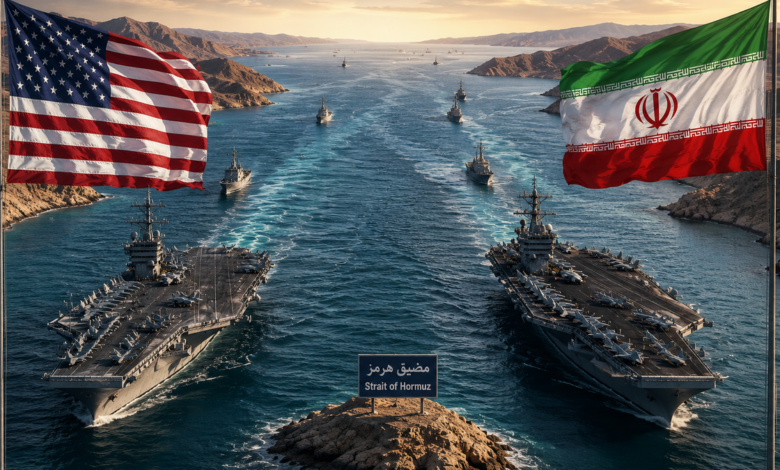
US Central Command (CENTCOM) asserts that American forces and their regional partners control this vital artery of global energy supplies, claiming that Iran no longer possesses an effective naval force.
US Central Command (CENTCOM) announced on Saturday that Washington and its regional partners controlled the Strait of Hormuz, claiming that Iran no longer possessed an effective naval force. It also denied that the aircraft carrier USS Abraham Lincoln had been targeted. The statements mark the latest chapter in the US–Iranian rivalry over control of the strait, with both sides claiming the upper hand in regulating maritime traffic through this strategic waterway.
In a statement published on X, CENTCOM said its efforts had successfully restored freedom of navigation through the strait, noting that thousands of vessels and billions of barrels of crude oil had passed safely through the waterway under US protection.
The command dismissed reports that US forces had seized two Iranian oil tankers before the naval forces of Iran’s Revolutionary Guards recovered them, describing the account as “false.” It also denied that Iran had targeted the aircraft carrier Abraham Lincoln or that Washington had requested assistance from regional countries to evacuate members of its crew.
CENTCOM maintained that the aircraft carrier and its strike group had completed their combat mission and returned safely to the United States. It also rejected allegations that vessels transiting the Strait of Hormuz were being charged fees, emphasizing that no US-imposed transit charges applied.
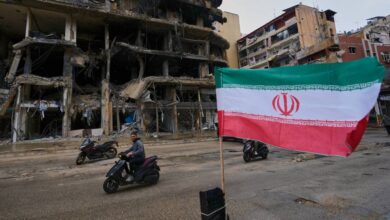
Tehran, meanwhile, continues to assert its control over the strait, maintaining that Iranian forces remain capable of regulating vessel traffic and imposing specific transit arrangements. Iran rejects what it describes as American “attempts” to monopolize the management of the maritime corridor and use it as an instrument of pressure against the Iranian economy.
Against this backdrop, Iranian Navy Commander Shahram Irani affirmed that the country’s ports remained operational and that vessel escort operations were continuing. He stressed that Iran was working to break the US naval blockade, accusing Washington of seeking to sever a vital lifeline of the Iranian economy.
Mohammad Mokhber, an adviser to Iranian Supreme Leader Mojtaba Khamenei, also vowed to confront the blockade, declaring that Tehran would neither allow it to continue nor accept the reopening of the strait on American terms.
These statements come as the United States maintains its naval blockade of Iranian ports as part of efforts to restrict Iran’s oil exports and commercial activities and pressure Tehran into making concessions on outstanding disputes.
The measures escalated further last Thursday, when CENTCOM announced that it had disabled the Palau-flagged cargo vessel Pacific Archer in the Gulf of Oman. The ship was accused of attempting to circumvent the blockade after departing from Iran’s port of Bandar Abbas.
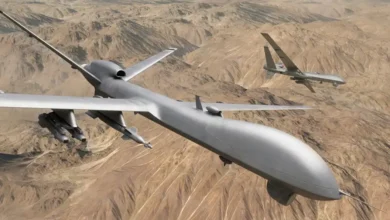
Washington said a strike carried out by a military aircraft had disabled the vessel’s propulsion system without injuring any members of its civilian crew. The incident forms part of a series of operations to intercept vessels attempting to leave or reach Iranian ports.
This escalation highlights the widening scope of the maritime confrontation between the two sides. Beyond restricting Iranian oil exports and securing the passage of commercial vessels, the conflict now involves competing efforts to impose new rules governing one of the world’s most strategically important maritime corridors.
The significance of the Strait of Hormuz stems from its strategic location linking the Persian Gulf to the Gulf of Oman and the Arabian Sea, as well as its central role in transporting oil and natural gas to international markets. Continuing restrictions and reciprocal threats are consequently creating uncertainty for global shipping and energy supplies, while intensifying pressure on shipping companies, insurers, and oil markets.