Does your gut microbiome influence your food cravings? Exploring the link between intestinal bacteria and eating behavior
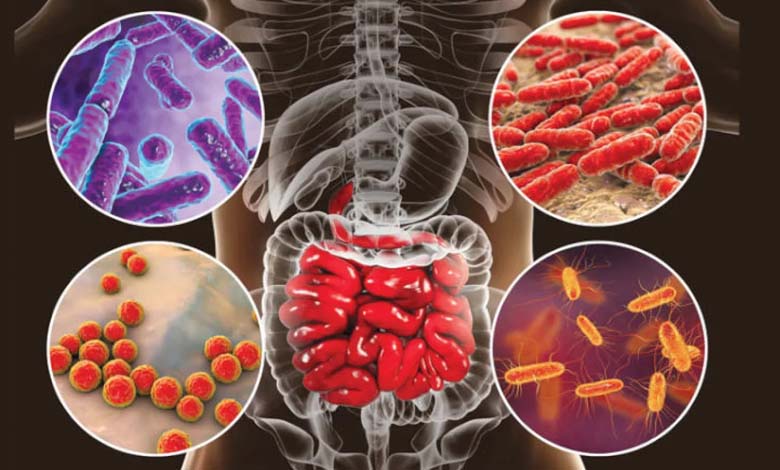
In recent decades, scientific research has significantly reshaped our understanding of the gut microbiome and its role in human health. Once viewed primarily as a system aiding digestion, it is now recognized as a central player in various physiological processes, including those related to eating behavior. An increasingly intriguing question has emerged: can the bacteria in our gut influence, or even shape, our cravings for certain types of food?
The gut microbiome: a complex ecosystem
The gut microbiome consists of billions of microorganisms, primarily bacteria, living in symbiosis with the human host. This dynamic ecosystem contributes to digestion, vitamin production, and immune system regulation.
Its composition varies between individuals and is influenced by numerous factors, including diet, environment, age, and lifestyle. This diversity plays a key role in its function and its interactions with the body.
Gut-brain communication
The concept of the gut-brain axis describes the bidirectional communication between the digestive system and the central nervous system. This interaction involves neural, hormonal, and immune pathways.
The gut microbiome can produce metabolites and neurotransmitters that influence brain function. These substances may affect mood, stress perception, and potentially eating behaviors.
Influence on food cravings
Some hypotheses suggest that gut bacteria may influence dietary preferences based on their own energy needs. For example, microorganisms that thrive on sugar fermentation may be associated with increased cravings for sweet foods.
This influence is not conscious or direct but may occur through chemical and neural signals that modulate appetite and the brain’s reward systems.
Role of neurotransmitters and hormones
The microbiome is involved in the production of substances such as serotonin, dopamine, and other molecules that regulate mood and appetite.
These compounds can influence brain regions associated with reward, reinforcing certain food preferences. Additionally, the microbiome interacts with hormones regulating hunger and satiety, such as ghrelin and leptin.
Dysbiosis and eating behavior
An imbalance in the microbiome, known as dysbiosis, may be associated with altered eating patterns. Some studies suggest a link between dysbiosis and increased consumption of sugar- or fat-rich foods.
This may be explained by disrupted satiety signals or changes in reward pathways. However, these relationships are complex and influenced by multiple factors.
Environmental factors and diet
Diet plays a central role in shaping the microbiome. A fiber-rich diet promotes bacterial diversity, while a diet high in processed foods may reduce it.
Thus, the relationship between the microbiome and food cravings is bidirectional: the microbiome influences food choices, and these choices in turn modify the microbiome.
Limitations of current knowledge
Despite significant advances, research on the microbiome’s influence on eating behavior is still in its early stages. Most studies are observational or based on experimental models.
Therefore, establishing clear causal relationships remains challenging. Many factors, including genetics, psychology, and environment, contribute to appetite regulation.
Implications for health and nutrition
Understanding the microbiome’s role in food cravings may open new avenues for nutrition and metabolic health management.
Approaches aimed at modulating the microbiome, such as dietary interventions, probiotics, and prebiotics, may help improve appetite regulation and support healthier food choices.
Conclusion
Gut bacteria may play a role in shaping our food cravings by interacting with the neural and hormonal systems that regulate appetite.
However, this influence is complex and depends on multiple factors. Maintaining a balanced and diverse diet remains essential for supporting a healthy microbiome and promoting balanced eating behavior.