The Beijing summit brings Iran, Taiwan, and artificial intelligence into focus… What do Trump and Xi want?
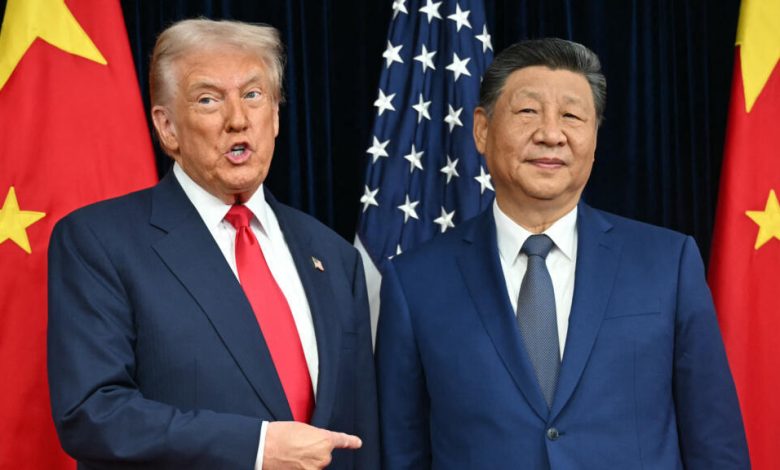
A world exhausted by wars and instability is closely watching the visit that U.S. President Donald Trump begins today in China.
This visit, the first by a U.S. president in nearly a decade, is described as a historic opportunity for the world’s two largest economies to reshape their trade relationship.
However, to achieve that, according to CNN, Trump and Chinese President Xi Jinping must overcome complex disagreements involving technology, trade, critical minerals, Taiwan, and the repercussions of the war with Iran during two days of meetings now overshadowed by the U.S.–Iran conflict.
The visit comes in a vastly different international context from Trump’s previous trip to China in 2017, as relations between the two countries have become more strained over several issues, including Iran.
China itself has changed in recent years, strengthening its industrial and technological capabilities and becoming a major player in artificial intelligence, advanced technology, and global supply chains after being in direct confrontation with the trade and technology war launched by Trump during his previous term.
The meeting will also include ceremonial elements and displays of grandeur that Trump is accustomed to, such as visiting the Temple du Ciel and attending an official banquet.
What does Trump want?
For Trump, the Iranian file will be at the top of the agenda, particularly amid the ongoing war and the complexity of global energy supplies.
Trump, who CNN previously reported is more seriously considering resuming large-scale military operations against Iran compared to recent weeks, said Tuesday that he intends to have a “lengthy conversation” with Xi Jinping about Iran.
When asked about the message he would deliver to the Chinese leader regarding Iran, Trump told CNN while leaving the White House: “I think it went relatively well.”
He added: “Look at the blockade, no problem. They get a lot of their oil from that region. We’ve had no problem. He’s a friend of mine.”
The Trump–Xi meeting comes days after a visit to Beijing by Iranian Foreign Minister Abbas Araghchi.
U.S. intelligence had indicated that China was preparing to deliver new air defense systems to Iran, according to CNN, which Beijing denied.
Trump is also seeking progress on trade issues, aiming to conclude agreements in aviation, agriculture, and energy, as well as to discuss the creation of joint investment and trade councils between the two countries.
Artificial intelligence is also expected to be raised as a key area of competition between the two powers, along with sensitive political issues such as Hong Kong and the fate of opposition activists and journalists.
China’s priorities: Taiwan and technology
For its part, Beijing believes it has strong negotiating leverage, given Washington’s involvement in external conflicts and internal crises.
According to Chinese sources cited by CNN, Beijing sees the costly conflict between Washington and Iran, as well as the upcoming U.S. midterm elections, as an opportunity to be leveraged.
China’s top priority, according to the same sources, is to strengthen the trade truce concluded with South Korea.
Beijing is also prepared to use its vast domestic market and its dominance over rare earth supply chains to push for deeper objectives.
This may include urging the United States to ease restrictions on advanced technology exports, according to Chinese sources and regional diplomats.
China is also expected to press the United States to adjust its policy toward Taiwan and reduce arms sales to the island.
Beijing also seeks broader access for its companies, including electric vehicle manufacturers, to the U.S. market and removal from blacklists.
Trump is viewed in China as eager to deliver tangible gains to American voters, such as large Chinese purchases of U.S. agricultural products and Boeing aircraft, which could give Beijing additional leverage to advance its agenda.
The rise of domestic technologies in artificial intelligence, clean energy, and robotics reinforces what Beijing has long suggested and what some U.S. analysts feared: that American restrictions would push China to strengthen its capabilities and reduce its dependence on the United States, even in advanced technology.
For Xi Jinping, according to CNN, “a stable relationship with the United States will strengthen China’s rise.” With Trump in his political stronghold, Xi’s goal is “to leverage the personal relationship between the two leaders to reduce tensions as much as possible.”
Chinese Foreign Ministry spokesperson Guo Jiakun said earlier this week: “Head-of-state diplomacy plays an indispensable role in providing strategic guidance to China–U.S. relations.”