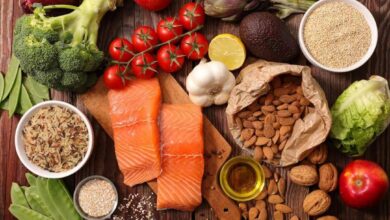
Beyond Dairy: Five Nutritional Alternatives That Help Maintain Strong and Healthy Bones
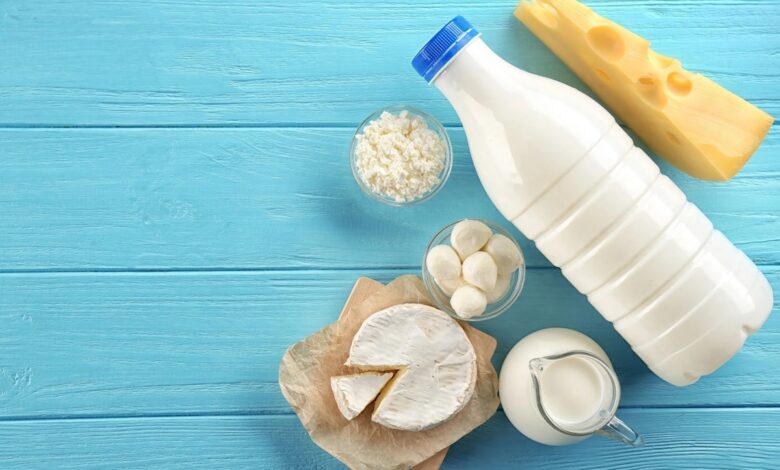
Milk is widely regarded as one of the main dietary sources of nutrients that support bone strength, particularly because of its calcium and protein content. However, it is far from being the only food that contributes to maintaining a healthy skeleton. Several other foods can provide essential nutrients for bone development and maintenance, making them valuable alternatives for people who avoid dairy products because of lactose intolerance, milk protein allergies or personal dietary preferences.
Bone health depends on a combination of nutrients that work together to maintain bone structure and density. Calcium is essential for building and preserving bone tissue, while vitamin D helps the body absorb calcium efficiently. Protein also plays an important structural role, and minerals such as magnesium and phosphorus, together with vitamin K, contribute to the processes involved in bone formation and renewal.
For this reason, a varied diet can provide many of the nutrients needed to maintain strong bones without relying exclusively on dairy products. Certain plant-based and animal-based foods are particularly valuable because they offer significant amounts of calcium and other nutrients involved in skeletal health.
Here are five nutritional alternatives worth including in a balanced diet.
1. Calcium-Fortified Plant-Based Drinks
Plant-based beverages made from soy, almonds and oats are among the most widely available alternatives to conventional milk. Their nutritional composition, however, can vary considerably depending on the ingredients, manufacturing methods and fortification process.
Calcium-fortified plant-based drinks are particularly useful because some products provide calcium in amounts comparable to those found in cow’s milk. This makes them a practical option for individuals who wish to reduce or eliminate dairy consumption while maintaining their calcium intake.
Soy milk deserves particular attention because it naturally contains more protein than most almond- or oat-based beverages. Protein is an essential component of bone structure and contributes to the maintenance and repair of body tissues.
Nevertheless, consumers should carefully examine nutritional labels before choosing a product. It is generally advisable to select beverages fortified with calcium and vitamin D while avoiding products containing excessive amounts of added sugar.
Another important consideration is that added calcium may settle at the bottom of the container. Shaking the beverage thoroughly before drinking helps ensure a more consistent distribution of its nutrients.
2. Dark Green Leafy Vegetables
Dark green leafy vegetables are another valuable source of nutrients associated with healthy bones. Kale, broccoli and certain varieties of cabbage provide calcium, vitamin K, magnesium and other micronutrients that support normal bodily functions.
Vitamin K plays an important role in bone metabolism by helping activate proteins involved in bone formation and mineralisation. One example is osteocalcin, a protein that contributes to the incorporation of minerals into bone tissue.
Kale has an additional nutritional advantage because its calcium is relatively well absorbed by the body. This is not necessarily the case with all vegetables. Spinach, for example, contains high levels of oxalates, naturally occurring compounds that can interfere with calcium absorption.
Broccoli also provides vitamin C, which is essential for collagen production. Collagen forms an important structural component of bone tissue and contributes to its flexibility and strength.
Including leafy vegetables in everyday meals is therefore a practical way to increase the intake of several nutrients associated with skeletal health. They can be eaten in salads, added to soups or prepared as steamed side dishes.
3. Oily Fish and Fish Eaten With Their Bones
Fish provide several nutrients that are particularly important for maintaining healthy bones. Certain varieties, especially sardines and salmon, contain vitamin D, high-quality protein and omega-3 fatty acids.
Sardines eaten with their soft, edible bones are especially valuable because these bones provide a concentrated source of calcium. A serving can make a meaningful contribution to daily calcium requirements, making sardines one of the most practical alternatives to dairy products.
Salmon, meanwhile, is particularly appreciated for its vitamin D content. This vitamin helps the intestines absorb calcium and supports the maintenance of appropriate calcium and phosphorus levels in the blood.
Long-term vitamin D deficiency can interfere with normal bone mineralisation and contribute to increased skeletal fragility. Including oily fish in a balanced diet can therefore help support the nutritional requirements associated with bone health.
Fish can be incorporated into meals several times a week, with preparation methods such as baking, steaming or grilling offering convenient and nutritious options.
4. Almonds and Seeds
Almonds, sesame seeds and chia seeds are nutritious foods that can help supplement the intake of minerals involved in maintaining healthy bones.
Almonds provide magnesium, phosphorus, plant-based protein and some calcium. Magnesium is particularly important because it contributes to calcium regulation and plays a role in the formation and maintenance of bone tissue.
Sesame seeds are another interesting option, particularly when consumed as tahini, a paste made from ground sesame seeds. They can provide meaningful amounts of calcium, although their nutritional composition varies depending on whether the seeds are hulled or unhulled and how they are processed.
Chia seeds also offer a combination of calcium, magnesium, phosphorus and plant-based omega-3 fatty acids. Their versatility makes them easy to incorporate into everyday meals, including smoothies, plant-based yogurts and breakfast cereals.
Despite their nutritional benefits, almonds and seeds are relatively high in calories. They are therefore best consumed in moderate portions as part of a balanced eating pattern.
5. Legumes and Soy-Based Foods
Legumes, including white beans, chickpeas and lentils, provide several nutrients that contribute to overall health and the maintenance of bone structure.
White beans are particularly interesting because they contain calcium, magnesium and plant-based protein. Chickpeas and lentils also contribute protein, phosphorus and other essential minerals.
Tofu is another particularly valuable alternative, especially when it is prepared using calcium salts during the production process. Depending on the manufacturing method, calcium-set tofu can provide substantial amounts of calcium and become an important part of a dairy-free diet.
Soy-based foods also supply plant protein, which helps maintain the body’s tissues and supports normal physiological functions. They can replace certain animal-based protein sources while contributing to a more varied and balanced nutritional intake.
For maximum nutritional variety, it is advisable to include different types of legumes throughout the week and alternate between traditional preparations and soy-based products.
A Balanced Diet Is Essential for Long-Term Bone Health
Eliminating milk from the diet does not necessarily mean sacrificing the nutrients needed to maintain strong bones. Calcium-fortified plant beverages, leafy green vegetables, oily fish, nuts, seeds and legumes can all contribute to meeting daily nutritional requirements.
However, no single food can provide everything the skeleton needs. Maintaining healthy bones requires a combination of essential nutrients, including calcium, vitamin D, protein, magnesium, phosphorus and vitamin K.
Physical activity is equally important. Weight-bearing exercises such as walking, dancing and climbing stairs stimulate the bones and help preserve bone mineral density. Strength training also supports muscle development, improves balance and may reduce the risk of falls, particularly as people grow older.
People who eliminate dairy products should pay particular attention to replacing the calcium and vitamin D they would otherwise obtain from these foods. Depending on individual nutritional needs, existing deficiencies or osteoporosis risk, professional guidance may be useful in determining whether dietary adjustments or supplementation are necessary.
Ultimately, milk should not be considered the only way to protect bone health. A varied and balanced diet, combined with regular physical activity and adequate nutrient intake, offers a more comprehensive approach to maintaining strong bones throughout life.