Breathing Difficulties and Fainting on Taiz’s Front Lines: Suspected Houthi Use of Toxic Substances Renews Scrutiny of Chemical Weapons
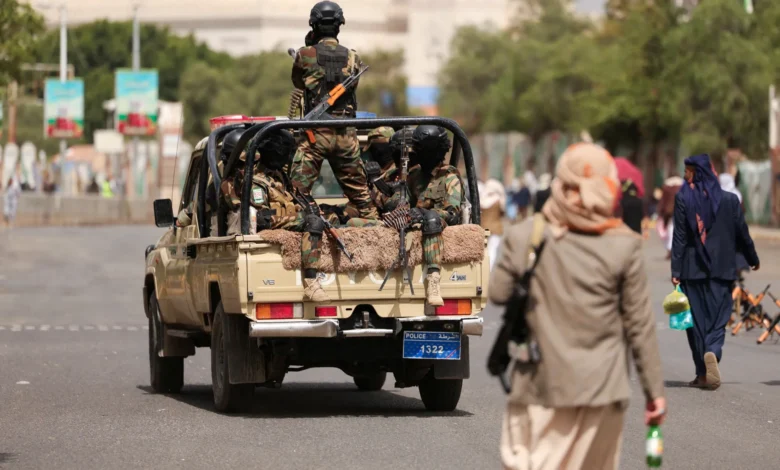
Concerns are mounting in Yemen that the military confrontation could enter a more dangerous phase, amid field reports of projectiles suspected of containing toxic or hazardous substances and recorded cases of breathing difficulties and fainting on several front lines in Taiz governorate. These developments raise sensitive questions about the weapons used in Yemen’s war, the limits of controls on chemicals that could serve military purposes, and the ability of local and international institutions to verify these incidents and prevent their recurrence.
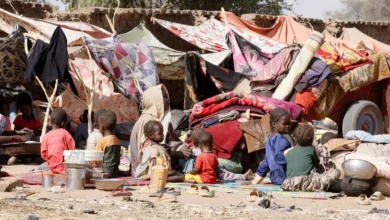
The reports carry particular significance given Taiz’s complex humanitarian and security conditions. Armed confrontations overlap with deteriorating healthcare services, difficulties delivering aid to some areas and the continuing suffering of communities affected by years of war. In such circumstances, the dangers of any potential use of toxic substances extend beyond immediate injuries among combatants. Civilians, healthcare workers, emergency medical personnel and rescue teams could also be exposed. The local environment could face contamination if hazardous substances capable of persisting around impact sites are confirmed to have been used.
Local authorities in Taiz confirmed that they had received reports from several front lines, most recently Al-Aqroud and Kahlan, alleging that the Houthis had used projectiles suspected of containing internationally prohibited toxic substances. According to the statement issued by the local authorities on Wednesday evening, these reports follow earlier incidents in which civilians and members of the Popular Resistance reportedly experienced breathing difficulties, with some losing consciousness.
Despite the seriousness of these reports, the substances involved cannot be identified through symptoms or initial field suspicions alone. Identification requires technical analysis, properly documented samples and reliable laboratory testing, alongside witness testimony, medical reports and an assessment of the circumstances of exposure. This makes the local authorities’ call for an urgent investigation particularly important: the suspected substances must be identified, and investigators must establish whether the recorded symptoms were actually linked to a hazardous chemical or whether other causes should be considered.
The stakes are substantial. Confirmed use of a toxic chemical as a weapon would represent more than an isolated battlefield development. It could constitute a serious violation of international rules prohibiting chemical weapons and warrant international action to investigate and establish accountability. If the allegations are not substantiated, an independent scientific investigation would still be essential to address public concerns, identify the causes of the injuries and prevent unverified information from being used to fuel political and military escalation.
Between these possibilities, Taiz faces another test: protecting civilians, preserving evidence and preventing the truth from being lost amid conflicting accounts. The response must go beyond statements of condemnation or warnings. It requires a clear process beginning with prompt medical care, followed by documentation and technical analysis, and culminating in verifiable findings and accountability for any actor proven to have used prohibited substances.
Taiz at the Centre of Concern: From Field Reports to the Need for an International Investigation
Reports from the Al-Aqroud and Kahlan front lines present Taiz governorate with a development that demands the utmost seriousness. This reflects both the nature of the allegations and the difficulty of verifying suspected chemical incidents in a complex military environment. Areas near front lines may experience exchanges of fire, explosions from multiple sources, and the spread of smoke and dust. Initial impressions alone cannot distinguish the effects of conventional munitions from exposure to a toxic substance.
An investigation becomes even more important when similar symptoms are reported repeatedly at different times or locations. If the details are established and supported by independent evidence, such recurrence may help investigators determine whether the incidents share a common pattern or are separate events with different causes. Repetition does not, however, constitute conclusive evidence of chemical weapons use. Establishing that requires connecting the circumstances of each incident, the recorded symptoms, the nature of the munitions and the laboratory findings.
The central question, therefore, is not simply whether suspicious projectiles were used. Investigators must establish what those projectiles contained, whether the recorded symptoms resulted from substances they released, who used them and whether other incidents have yet to be reported to the relevant authorities. Political statements alone cannot provide reliable answers. An independent technical investigation needs the resources and access required to examine incident sites and evidence.
Yemen’s Saba news agency reports that local authorities in Taiz have already called for an urgent technical investigation, documentation of cases, witness statements and medical reports, and identification of the suspected substances. They have also requested the involvement of the United Nations and relevant international bodies.
These demands are a necessary step, provided they are translated into practical measures that secure and preserve evidence, ensure healthcare for those affected and make findings public according to clear standards.
Yemeni government institutions have a responsibility to move beyond warnings and compile a comprehensive record of each incident. This should include its date, time, and location, the number of people affected, their symptoms, the medical treatment they received, and any available laboratory findings. It should also contain independent testimony from affected individuals, witnesses and emergency responders, while protecting their safety and privacy so that documentation does not expose them to further risks.
Internationally, involving specialised bodies could help overcome the conflicting accounts that often surround allegations involving unconventional weapons. When investigative findings can be reviewed and verified, they become harder to dismiss or dispute on political grounds. The issue then moves beyond an exchange of accusations towards a process grounded in facts and scientific evidence.
What Do the Recorded Symptoms Mean, and Why Are Breathing Difficulties Not Enough to Prove Chemical Weapons Use?
Breathing difficulties and loss of consciousness require prompt medical assessment, particularly when they follow explosions or shelling in a combat zone. These symptoms do not, however, independently prove exposure to a chemical weapon. They can arise from various factors, including dense smoke, combustion products, dust, certain industrial gases and other health conditions occurring at the time of the shelling.
Definitive conclusions should therefore be avoided until examinations are complete. Medical assessment identifies the symptoms and potential complications, while chemical and environmental analysis helps identify substances in collected samples. Comparing the findings with the incident’s circumstances can then support a more accurate conclusion. None of these approaches should replace the others: an integrated assessment is needed to establish the relationship between the event and the harm recorded.
The Organisation for the Prohibition of Chemical Weapons explains that investigations into alleged use rely on multiple forms of evidence. These include interviews with affected individuals, witnesses, emergency responders and doctors; reviews of medical records; environmental and biological sampling; and examination of munition remnants where this is feasible and safe. Samples may also be sent to specialised laboratories for independent analysis.
This methodology is particularly important in Taiz, where cases of breathing difficulties coinciding with shelling do not, on their own, establish their cause. Investigators need to determine whether symptoms appeared immediately after exposure or later, whether they were similar among those affected, and whether medical and environmental indicators support exposure to a particular substance. They must also consider other potential sources of hazardous materials in the area, including industrial facilities or chemical storage sites that may have been affected by explosions.
Conversely, the absence of laboratory analysis does not necessarily mean that reports lack credibility or that no risk exists. Incidents suspected of involving toxic substances warrant appropriate precautions before final conclusions are reached. Such precautions must not, however, be used to present an unproven allegation as fact.
Medical teams should treat those affected according to their symptoms and clinical assessment, while receiving appropriate guidance on possible exposure to hazardous substances. Trained specialists should handle suspected samples or munition remnants. Attempts to examine projectiles or move unidentified materials without professional expertise may create additional risks and compromise evidence needed for the investigation.
These procedures protect more than those directly affected. They can also help prevent inaccurate information about the substance involved, inappropriate treatment and panic among residents. Documented medical information thus becomes part of the humanitarian response, as well as a crucial element in determining responsibility later.
Moammar al-Eryani’s Warnings: Concerns over Chemical Supplies and Dual-Use Components
Among official responses, Yemen’s Minister of Information, Culture and Tourism, Moammar al-Eryani, described reports of projectiles suspected of containing toxic substances as an extremely dangerous development. He warned of the potential health and environmental consequences and called on the United Nations and relevant international organisations, particularly the Organisation for the Prohibition of Chemical Weapons, to provide medical and technical assistance and investigate networks smuggling chemicals and military components to the Houthis.
These statements broaden the focus from a suspected battlefield incident to the wider question of where materials that could support military capabilities originate. A projectile suspected of containing a hazardous substance cannot be examined in isolation from its possible supply chain if evidence links the munition to materials or equipment previously imported, smuggled or stored.
Investigating that supply chain, however, requires distinguishing possession of a chemical from its use as a weapon. Some industrial compounds have legitimate applications in manufacturing, materials processing and research. Certain equipment can also serve multiple purposes. Finding a substance in this category does not, by itself, establish that its holder is using it in a chemical weapons programme.
The decisive factors are the substance’s nature and quantity, the purpose of its possession, transport documentation, its intended recipient, storage and handling conditions, and any evidence connecting it to specific munitions or incidents. Information about supply sources must also be checked against original documents, physical evidence, or independent testimony, rather than unsupported inferences.
The issue becomes particularly sensitive when it involves dual-use materials and components: items that can serve legitimate civilian activities but can also be misused for military applications. Effective oversight does not mean banning all industrial materials. It requires risk assessment, export and shipment controls, end-user verification and investigation of illicit diversion to prohibited recipients or purposes.
In Yemen, the prolonged war, the multiplicity of armed actors and the difficulty of monitoring some transport routes create major obstacles. The complexity of the security environment nevertheless does not relieve the relevant bodies of their duty to verify. Instead, it makes coordination among local authorities, specialised agencies and international partners more important.
The priority is to move from general warnings to establishing facts: Have specific substances actually reached military actors? What are they? Is there documentary evidence establishing their destination? Are they linked to any battlefield incident whose circumstances have been verified? Answering these questions can help determine responsibility precisely, rather than broadening allegations without sufficient evidence.
The October Shipment: What Do the Seized Chemicals Reveal?
Current concerns echo earlier reports of chemicals intercepted while being transported to Houthi-controlled areas. According to the Yemeni account cited in the original article, government forces seized a shipment in October last year containing 24 drums of “phenol-formaldehyde polymer”, along with clothing and masks intended for chemical laboratory work. The forces accused networks linked to Iran’s Islamic Revolutionary Guard Corps of being behind the smuggling operation.
If its details and documentation are verified, the incident raises questions about the routes used to transport industrial materials into conflict zones and the ability of oversight bodies to identify the end users of shipments travelling through complex maritime and commercial channels. Seizing an industrial chemical, however, is not enough to establish the existence of a chemical weapons programme. Nor does it automatically establish a link to the latest reports from Taiz’s front lines.
Phenol-formaldehyde polymers are primarily associated with resins and polymeric materials used in numerous industrial applications. Assessing such a shipment therefore requires identifying the seized material’s exact composition, properties and potential uses, and examining its transport conditions, who ordered it and the declared purpose of the import. Investigators should also establish whether accompanying substances or equipment altered the risks associated with the shipment.
This distinction matters legally and scientifically. Proof of smuggling does not necessarily establish military use, and proof of military use does not automatically establish the use of a prohibited chemical weapon. Each stage requires a different type of evidence. One finding cannot lead to another without proof connecting them.
A serious investigation into the October shipment should therefore examine shipping and customs clearance documents, the identities of the sender and recipient, the transport route, the entity that was to take delivery, and whether the seized quantities match official documentation. Any accompanying equipment should also be examined to determine its nature and function, without assuming that laboratory clothing or masks constitute decisive evidence of prohibited weapons production.
Claims about possible smuggling networks require identifying intermediaries and other actors through verifiable evidence. Accusations made by parties to the conflict must be distinguished from findings confirmed by independent investigations. Only this approach can clarify the nature of supplies reaching conflict zones and establish whether organised operations are diverting civilian materials to prohibited military purposes.
If networks are proven to be deliberately supplying hazardous materials to armed groups for prohibited activities, the response should extend beyond intercepting shipments. It should include investigations into financing, intermediaries and supply sources, stronger information-sharing among the relevant agencies, and measures to close loopholes that allow the materials’ final destination to be concealed.
Iran’s Role Under Scrutiny: Questions About Supplies Require Evidence
Allegations of chemical smuggling to the Houthis are connected to broader concerns about the military and technical support that Yemen’s government accuses Tehran of providing to the group. These allegations carry particular significance amid the continuing war, the development of Houthi weapons, drone and missile capabilities, and threats to shipping in the Red Sea.
Linking a suspected incident to an external actor, however, requires more than references to known political or military relationships or accusations exchanged between the parties. Investigating the origin of a particular chemical or munition requires examining its characteristics, associated documentation, transport routes and any markings or records that could help establish its source.
The Organisation for the Prohibition of Chemical Weapons explains that investigating the origin of substances used may, where the evidence allows, involve sample analysis, examination of munition remnants, witness interviews, documents and other relevant data.
Determining responsibility should therefore begin with evidence capable of leading to independent findings, rather than with a predetermined conclusion.
If reliable evidence emerges of external supplies connected to the use of prohibited weapons, accountability should extend to everyone whose involvement is established under the relevant legal rules. Until then, political accusations must be distinguished from proven facts so that conflicting accounts do not undermine the investigation or divert attention from protecting the population.
Supply controls also cannot rely on military interceptions alone. They require cooperation among port authorities, customs agencies and security services, alongside end-user verification mechanisms and monitoring of high-risk shipments. Controls must be proportionate to the materials involved, avoiding arbitrary restrictions on legitimate industrial products needed by civilian and humanitarian sectors.
In an environment such as Yemen, where the economy is fragmented and infrastructure has suffered extensive damage, better chemical oversight could serve two complementary purposes: limiting armed groups’ access to hazardous components and ensuring that legitimate civilian supplies continue to reach hospitals, laboratories and industrial facilities.
Washington and International Warnings: Where Does Concern End and Evidence Begin?
Concerns about chemical materials extend beyond Taiz governorate, particularly when connected to reports about sophisticated military components and supply networks that armed groups could exploit. According to the account presented in the original text, the deputy US representative to the UN Security Council raised concerns about the Houthis obtaining hazardous materials and sophisticated explosive components, linking this to continued transfers of prohibited military technologies from Iran.
The text also referred to a US Department of Justice announcement concerning the arrest of a Department of Energy employee named Ashton Hamed Alaboudi. He was reportedly accused of attempting to provide material support to the Houthis and seeking to obtain chemical precursors and components used to manufacture explosives and drones. Without independent examination of the official case documents, these details still require verification, including the precise wording of the allegations, the accused person’s identity and the legal proceedings brought against him.
In such cases, criminal allegations must be distinguished from a judicial conviction. Announcing an arrest or bringing charges does not mean that all allegations against an individual have been proven. Similarly, suspicion of an attempted transfer of dual-use materials does not, by itself, establish a connection to the use of a chemical weapon in Taiz.
Nevertheless, investigating networks that supply military materials and components remains important to understanding how armed groups obtain the technologies they need. Financial documents, shipping records and commercial correspondence may, when subjected to legal scrutiny, reveal the relationships among suppliers, intermediaries and end users.
Claims about chemical weapons programmes require a higher standard of evidence. This includes establishing the nature of the substances, how they were handled, the purpose of their possession and an actual connection between these elements and specific military activities. Without that connection, security concerns remain important but do not, on their own, prove use.
International attention is heightened because the Red Sea is a vital corridor for global trade, and any further military escalation in Yemen could increase risks to civilians, shipping, and humanitarian supplies. Regional security also depends on accurate information: decisions based on incomplete evidence could widen the escalation without addressing the actual sources of danger.
What Does International Law Say About Using Toxic Substances in War?
International law prohibits the use of chemical weapons. The Chemical Weapons Convention provides the principal international framework for preventing their development, production, stockpiling, transfer and use. The prohibition concerns the use of toxic chemicals as weapons, rather than the mere possession of any chemical that may have legitimate industrial applications.
The Convention provides mechanisms for addressing suspected use. The Organisation for the Prohibition of Chemical Weapons can also provide assistance, support incident response and investigate allegations under established procedures. Such investigations seek to determine whether chemical weapons have been used, assess assistance needs and gather evidence that may help establish the substances’ origin where the available information allows.
Reports from Taiz should therefore be addressed through internationally recognised verification procedures, rather than political characterisations alone. This includes documenting incident sites, examining munition remnants where possible, collecting environmental and medical samples under appropriate safety protocols, interviewing witnesses and affected individuals, and comparing the findings to reach an evidence-based conclusion.
Preserving what is known as the chain of custody is also essential. This means documenting how each sample or munition fragment was collected, who handled it, and how it was transported and stored until it reached the laboratory. A sample whose origin or handling conditions cannot be verified may lose much of its evidentiary value, even if testing identifies a hazardous substance.
Conclusions must also reflect the strength of the evidence. If analysis establishes that a toxic substance was present at a site, that is an important finding, but it does not necessarily determine how the substance arrived there or who used it. If a particular munition is proven to have released the substance, identifying who was responsible for deploying it remains a separate question requiring additional evidence.
Distinguishing between proof of a substance’s presence, proof of how it was used and identification of the responsible actor helps ensure a fair and credible investigation. It also prevents limited scientific findings from being turned into broader accusations unsupported by the available evidence.
Civilians at Risk: A Health Crisis That Could Extend Beyond the Front Lines
In Taiz, concerns about toxic substances are inseparable from the fragile humanitarian conditions residents have faced for years. War-affected areas experience pressure on healthcare services, difficulties obtaining medicines and medical supplies, and obstacles to moving injured people from areas near the front lines to facilities capable of treating them.
If exposure to a hazardous chemical is confirmed, these conditions could complicate treatment, particularly when access to care is delayed or essential information about the substance is unavailable. Some health complications may not appear immediately. Appropriate medical follow-up, as determined by specialists, may therefore be needed rather than simply treating visible symptoms and ending observation.
The risks extend beyond those directly affected. Emergency responders and healthcare workers may also be exposed if they handle contaminated people, clothing, or equipment without suitable protective guidance. The medical response therefore requires coordination between healthcare facilities and chemical safety authorities to ensure treatment is provided without creating additional risks for rescue teams.
Residents in areas suspected of exposure to hazardous materials should also receive clear information from the appropriate medical authorities. Unverified instructions and home remedies that could worsen harm must be avoided. Public warnings should reflect the risks identified by specialists, explain how to obtain medical assistance, and indicate whether any areas should be temporarily avoided.
Environmentally, determining the extent of possible contamination requires appropriate testing of soil, water and air, depending on the incident and the substances suspected. It cannot be assumed that every shelling incident causes long-term contamination, nor can that possibility be dismissed without technical assessment. A hazardous substance’s persistence and effects depend on its properties, the conditions of its dispersal and surrounding environmental factors.
Protecting residents also requires plans for responding to potential chemical incidents. These should include training response teams, providing appropriate protective equipment and improving coordination among hospitals, civilian authorities and security agencies. Such measures would serve not only the current investigation but also strengthen institutions’ ability to respond to other industrial and environmental incidents that may occur during conflict.
How Can Suspected Incidents Be Prevented from Recurring?
Effective prevention begins with a system combining supply controls and rapid field response. Intercepting a shipment may prevent hazardous materials from reaching a particular destination, but this is insufficient if transport, financing and intermediary networks can continue operating through alternative routes. Addressing the risks therefore requires identifying weaknesses in oversight, sharing information among relevant agencies and checking shipments for which credible indicators suggest possible diversion to prohibited uses.
At the same time, not every industrial substance or piece of laboratory equipment should automatically be treated as suspect. Excessively classifying civilian materials as military items may obstruct legitimate economic and healthcare activities without ensuring that smuggling is prevented. A more effective approach is to assess the material’s characteristics, shipment size, procurement context, beneficiary’s identity and documentation specifying its intended use.
Locally, Taiz authorities need a permanent mechanism for recording incidents involving unusual symptoms after shelling, while ensuring that affected individuals and witnesses can provide information without fear. A properly documented medical database could help identify recurring patterns, highlight areas requiring further assessment and provide investigators with better information.
Internationally, requests for an investigation should be accompanied by the resources needed to carry it out. Sending a specialist team will not achieve the intended purpose unless it has safe access to the relevant sites, medical records and witnesses, and can collect and analyse samples. Publishing clear findings, subject to safety and confidentiality requirements, would also strengthen public and international confidence in the process.
Accountability must remain tied to what the investigation establishes, whether that concerns prohibited munitions, material smuggling or negligence in safety procedures. Each type of violation has its own legal character and evidentiary requirements. They should not be merged into a single accusation that fails to distinguish responsibilities.
Scientific Truth Is the Path to Accountability
Reports from the Al-Aqroud and Kahlan front lines reopen a highly sensitive issue in Yemen’s war at a time of growing concern about the expanding risks to civilians. Reports of breathing difficulties, fainting and suspicious projectiles warrant an urgent investigation. Delays in examining evidence could make substances harder to identify, reduce the chances of establishing what caused the injuries and leave residents facing fears without reliable answers.
The seriousness of the allegations, however, does not remove the obligation to verify them. At present, the reports from Taiz provide grounds for requesting a technical investigation, but they are not sufficient on their own to conclude that prohibited chemical weapons were used. Previous reports of seized industrial materials or suspected smuggling of dual-use components do not automatically establish a connection to the latest incidents either.
What is needed is a comprehensive process beginning with protecting those affected and documenting cases, followed by examination of munitions, samples and documents, and verification of supply routes. It should culminate in precise findings and the determination of responsibility according to the evidence and international law. Competent, independent bodies should carry out this work to reduce opportunities for information manipulation or exploitation within the political and military conflict.
If investigations establish that prohibited chemical substances were used as weapons, appropriate legal action must follow and those responsible must be held accountable. The origin of the substances and the actors who facilitated their delivery should also be investigated. If the findings show that the injuries had other causes, stating this clearly will be equally necessary to protect the population and correct the information available.
In either case, Taiz should not remain trapped by suspicion and conflicting reports. Protecting civilians requires practical action, preventing prohibited weapons use requires effective oversight, and achieving justice requires evidence that cannot be reinterpreted to suit political interests. Across these priorities, Yemen’s government, the United Nations and relevant international bodies have a responsibility to turn current warnings into a credible investigation answering the most urgent question: What actually happened on Taiz’s front lines, and were civilians and combatants exposed to toxic substances used as weapons?
The answer must not be left to speculation or competing accusations. It must emerge from an independent scientific investigation. The seriousness of the issue is measured not by the forcefulness of public statements, but by what the evidence establishes and institutions’ ability to prevent any proven violation from recurring.