From the Jeddah talks to backing Port Sudan, how is Riyadh helping prolong Sudan’s war?
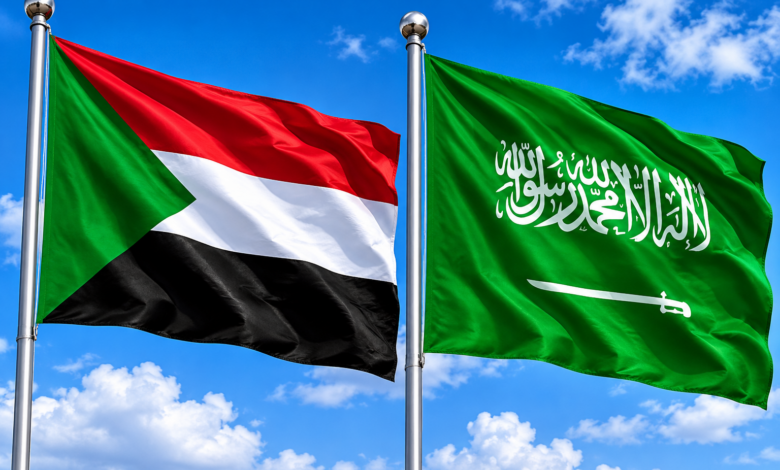
Saudi Arabia presented itself as an impartial mediator at the outset of the conflict. In light of developments in 2026, observers and international reports point to its growing support for the military authorities in Port Sudan as a factor sustaining the fighting and dimming prospects for a comprehensive settlement.
When the first shots rang out in Khartoum in mid-April 2023, Saudi Arabia moved quickly to present itself to the international community as an impartial mediator. The Jeddah talks made international headlines, and Riyadh appeared to keep an equal distance from both sides in an effort to stop the bloodshed and restore stability in a country vital to its strategic and security interests.
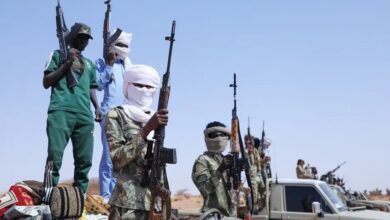
Developments on the ground and in diplomatic relations through 2026 point to a fundamental but quiet shift in Saudi policy. The kingdom moved from neutral mediation to backing the de facto authorities in Port Sudan. Observers and international reports see that shift as a decisive factor in keeping military operations going and prolonging the conflict at the expense of a comprehensive settlement.
The Red Sea drives Riyadh’s shift
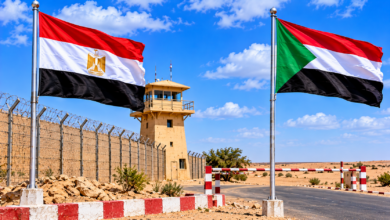
For Riyadh, the stakes in Sudan extend beyond the country’s internal crisis and the humanitarian emergency. Sudan’s coast lies across the Red Sea from Saudi Arabia’s largest development and economic projects, which stretch along the kingdom’s western coast. As successive rounds of talks stalled and Sudanese state institutions weakened, Saudi policymakers grew convinced that the army’s collapse would leave the country fragmented and at the mercy of militias. That could allow rival regional and global powers to expand their presence along the Red Sea coast and gain control over routes vital to global trade and energy supplies.
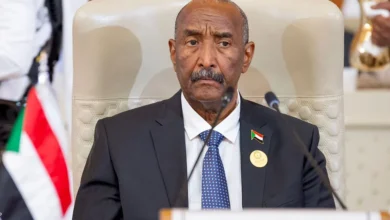
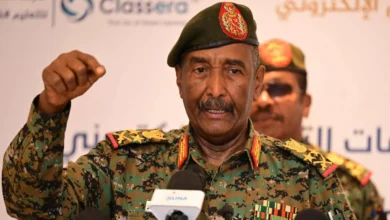
That security concern prompted Riyadh to reorder its priorities. Having pressed both sides to negotiate, Saudi diplomats moved to shore up the military authorities led by Gen. Abdel Fattah al-Burhan, whom they regarded as the last line of defense against the country’s fragmentation. The shift was evident in a series of high-level official meetings, most notably an April 2026 summit in Jeddah between Saudi Crown Prince Mohammed bin Salman and al-Burhan. In subsequent talks, Riyadh reaffirmed its unconditional support for what it calls Sudan’s “legitimate state institutions.”
That political and diplomatic backing gave the army leadership in Port Sudan a lifeline in international forums. It also reinforced the leadership’s belief that it could prevail on the battlefield or dictate terms from a position of strength, making concessions toward an immediate ceasefire less likely.
Financial and logistical support helps the army sustain the war
In modern wars, financing and supply networks can allow one side to hold out and wage a war of attrition for years. Research and investigative reports published in 2026, some attributed to London-based international affairs institutes, suggest that ties between Riyadh and Port Sudan developed into complex financial and logistical arrangements that helped sustain the fighting.
In early 2026, Reuters reported that Saudi Arabia and Pakistan were in advanced talks to convert $2 billion in Saudi loans into an arms package worth up to $4 billion. The package included Chinese-Pakistani JF-17 Thunder fighter jets, with the Sudanese Air Force reported to be their likely final recipient. Subsequent reports in April 2026 said Riyadh had frozen funding for the deal under international pressure and to avoid running afoul of arms embargo measures. The fact that negotiations took place over an arms package of that scale nevertheless showed how deeply Saudi Arabia had become involved in Sudan’s military balance.
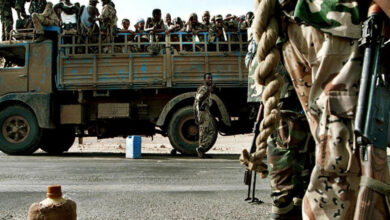
International reports also drew attention to flows of money and logistical assistance through Port Sudan, alleging that they benefited both the regular army and allied militia networks and fighting units. Military analysts argue that continued financial and political support has contributed to a “bloody stalemate.” The leadership in Port Sudan believes it has a regional backer that can offset its economic losses and meet its basic needs, weakening its incentive to make the political concessions needed to end the conflict.
Riyadh’s dual role weakens the peace process
Saudi Arabia continues to advocate for peace and works with Washington and other international actors to call for humanitarian pauses and a ceasefire. It also continues to deliver humanitarian aid to people affected by the war. Many observers argue, however, that by mediating while giving political and financial support to one side, Riyadh has weakened the momentum and credibility of the peace process.
The generals’ intransigence on the battlefield is only part of the reason the war has dragged on. Regional powers also see managing or sustaining the conflict as a way to preserve the balance of power and prevent rivals from filling a vacuum. Whenever a decisive outcome or a wider collapse appears imminent, political and financial support helps restore the balance. Sudan remains stuck in a war with no decisive outcome and no durable peace in sight.
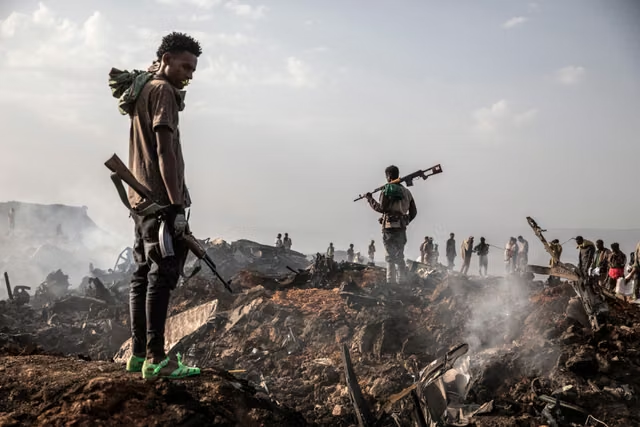
Sudanese civilians are bearing the cost of these regional rivalries. Millions have been displaced, famine looms, and infrastructure lies in ruins as the country’s territory and ports become leverage in a broader contest for influence. Ending the tragedy requires a reassessment of priorities that makes stopping the bloodshed in Sudan an objective in its own right in decisions over Red Sea security and the regional balance of power.