Iran’s alleged chemical weapons program divides Israel as Mossad pushes for a unilateral strike on Tehran
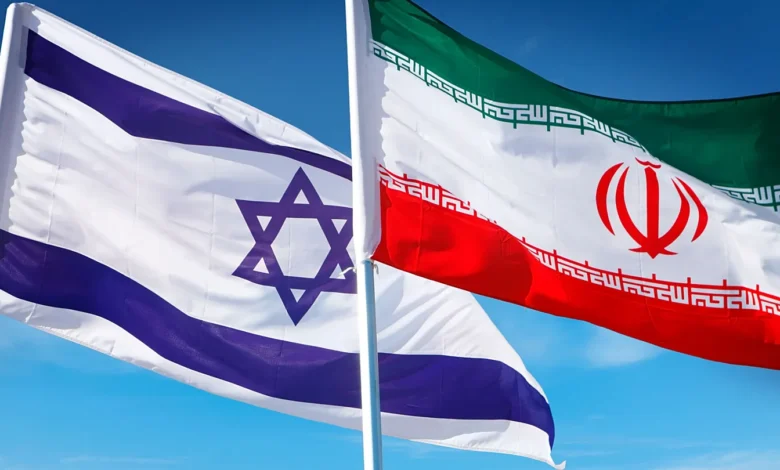
The Israeli newspaper Yedioth Ahronoth has revealed differences within Israel’s security establishment over how to address the Iranian threat. Mossad Director Roman Gofman reportedly favors a unilateral Israeli attack on Iran if efforts to reach an agreement with the United States fail, while IDF Chief of Staff Eyal Zamir prefers to await Washington’s decision and act in coordination with the US.
According to security sources, Gofman has adopted a more hawkish position, driven by concerns over Iran’s alleged clandestine and accelerated development of chemical weapons capabilities. He believes that delaying a confrontation could expose Israel to a threat that may become increasingly difficult to neutralize.
Gofman visited Washington three weeks ago, presenting new intelligence concerning developments in Iran’s alleged chemical weapons program. He also sought to persuade US officials of the possibility of a joint military operation, arguing that the opportunity to significantly weaken Iran’s capabilities could diminish over time.
Zamir, meanwhile, believes that any military offensive should be conducted in cooperation with the United States. Although he supports addressing the Iranian threat, he maintains that Israel currently faces no immediate existential danger warranting unilateral military action.
Security sources indicated that intelligence assessments held by Mossad and Israel’s Military Intelligence Directorate are consistent. The differences primarily concern the timing of a potential offensive and the nature of military action. Zamir believes US participation would improve the prospects of achieving lasting strategic results.
Diverging military calculations
According to Israeli assessments, Israel possesses the capabilities required to conduct a unilateral military operation inside Iran, as reportedly demonstrated by a previous offensive against Iranian strategic sites. A joint campaign with Washington, however, would provide access to additional military capabilities.
US participation would offer broader military resources, intelligence capabilities, and logistical support.
Cooperation with Washington would also provide Israel with enhanced defensive support against potential Iranian retaliation while easing the pressure on its own military resources.
Political considerations and fears of Iranian retaliation
The significance of US participation extends beyond military considerations. A joint offensive would provide Israel with political backing from Washington and improve the prospects of achieving long-term strategic objectives.
Unilateral action, however, would give Israel greater autonomy in military decision-making, independently of the US administration’s political considerations.
This prospect raises concerns about potential differences between the objectives of the two countries, particularly if US President Donald Trump were to favor ending military operations after limited gains or pursuing an agreement with Tehran, while Israel sought to continue its offensive and further weaken Iran’s capabilities.
The newspaper quoted a security source as saying that Israel would launch a unilateral offensive if it faced an immediate existential threat. The source emphasized, however, that such circumstances do not currently exist.
Israeli officials are also concerned that the country’s regional allies, whether publicly acknowledged or unofficial, could face Iranian retaliation following a potential attack. This further underscores the importance of coordination with Washington, which is itself assessing the regional consequences of any military intervention.
According to the report, the disagreement within Israel’s security establishment centers primarily on the timing of a potential confrontation and the nature of US participation, while the need to address the Iranian threat remains a matter of consensus.