Preventing Cross-Border Operations: Raids and Arrests in Iraq Target Shadow Factions
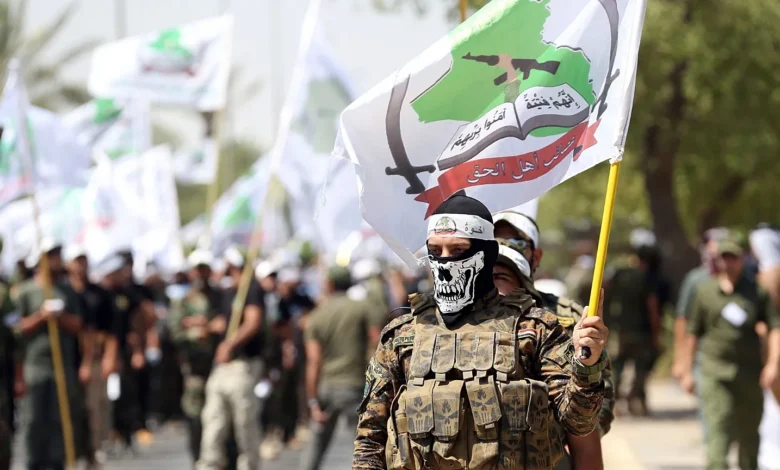
Iraqi security sources said that investigations into attacks launched from Iraqi territory against countries in the region have entered a new phase. This includes pursuing armed networks operating alongside established factions, conducting raids and seizing equipment and drones.
The sources said intelligence gathered during October prompted security agencies to expand their operations after investigations revealed cells operating outside the traditional command structures of armed factions and retaining independent capabilities to conduct cross-border operations.
According to the sources, the most significant shift is from investigations focused on known launch sites in Maysan province to tracking broader networks suspected of links to covert wings within Iraqi factions. Some are believed to be connected to military coordination between Iraqi groups and the Houthis under Iranian supervision.
Raids and Arrests
The sources said security and intelligence units had carried out preventive operations to seize drone-related equipment, targeting workshops and warehouses in Baghdad and southern provinces, including Maysan. They also detained individuals suspected of possessing military equipment outside the legal framework.
Detainees have been referred to the competent judicial authorities, while investigations continue into their possible connections to the parallel armed networks.
Security information indicates that investigators are seeking to identify funding sources and those responsible for supplying equipment. They are also examining whether the cells act on direct instructions from actors outside the political leaderships of established factions.
Networks Outside the Command Structure
The sources said small groups absent from the factions’ publicly declared organisational structures have recently emerged. This makes it harder to identify who issues orders or to hold traditional leaders directly responsible for cross-border attacks.
They believe some of these groups retain operational relationships with established factions without necessarily being fully subject to their political decisions or complying with agreements reached with the Iraqi government to bring weapons under exclusive state control.
This development raises questions about Baghdad’s ability to implement weapons handover agreements if some military capabilities have already been transferred to formations that the publicly recognised leaderships do not acknowledge.
Following the discovery of rocket launch platforms in several areas, current concerns extend beyond the possibility of repeat attacks from the same locations. Security monitoring has revealed that suspected groups are expanding their activities into other areas.
The information also points to investigations into networks supplying and assembling drone equipment, amid suspicions of operational cooperation between Iraqi operatives and the Houthis.
A Test of State Authority
In this context, Iraqi researcher Shirwaan H. Ali, director of Middle East research at ACLED, notes that those responsible for attacks launched from Iraq do not always claim them. Distinguishing direct Iranian operations from attacks carried out by Iraqi groups therefore presents a major challenge.