Military and Security Intervention — Drones and the Changing Battlefield Dynamics
If political support laid the initial foundations for the crisis’s growing complexity, Turkey’s military and security intervention became the principal driver that transformed the conflict into a prolonged war of attrition.
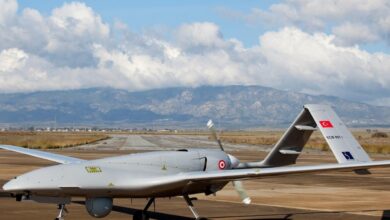
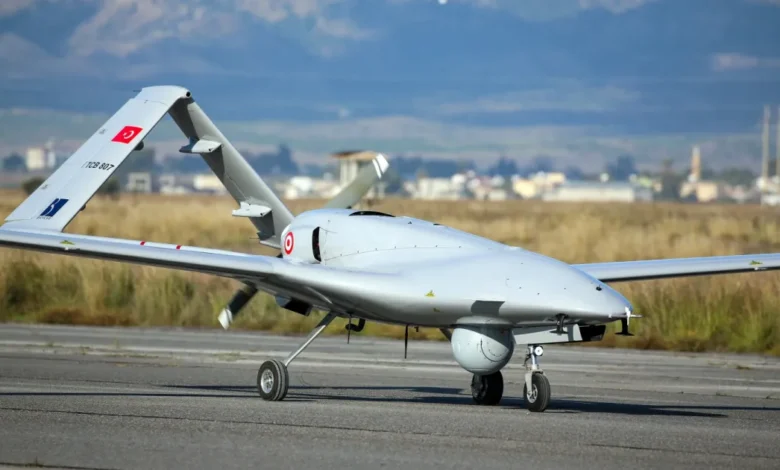
Turkey was not merely an observer of events. It became an active actor in reshaping battlefield dynamics by providing sophisticated military support, most notably through the supply of Bayraktar TB2 drones to the Sudanese army, as well as the technical and logistical expertise required to operate them.
-
“Bayraktar TB2”: The Turkish “Demon” in the Sky
-
Turkey – Ukraine: agreement to supply Turkish Bayraktar TB2 drones to the Ukrainian Joint Forces
Although Ankara officially justified this direct military support as part of its backing for the “legitimacy of the state” and its official institutions, its impact on the ground was, in practice, disastrous in terms of prolonging the conflict.
Before Turkey’s intervention, the dynamics of the conflict suggested that the fighting could have been resolved relatively quickly in favor of one of the two sides. This would have forced the other side either to accept the resulting reality or to enter into rapid negotiations.
However, the introduction of Turkish drones into the battlefield fundamentally altered these dynamics. The aircraft provided one side with an aerial and tactical advantage, preventing the opposing side from achieving decisive territorial gains while simultaneously preventing the Turkish-backed side from securing a swift and overwhelming victory capable of bringing the war to an end.
-
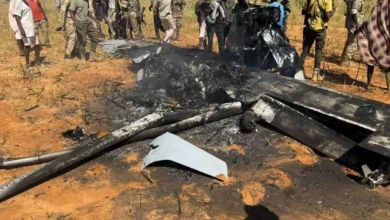
The Aircraft That Never Flew: The Hidden Story of the Emirati TB2 That Confused the Sudanese Scene
-
Who built the phantom aircraft? A journey inside the myth of the Emirati TB2 in Sudan
The result was the conflict’s descent into a devastating war of attrition, turning Sudanese cities into open battlefields and exposing infrastructure and civilians to massive destruction.
Turkey’s provision of these weapons was not intended to “end the war” or “decisively resolve” it, but rather to “manage the conflict” and ensure that the supported side retained sufficient capabilities to continue fighting, thereby preserving Turkish influence within the country’s balance of power.
Beyond material support, multiple reports have indicated the presence of Turkish advisers and experts in Sudan, not only to operate the drones but also to provide strategic and tactical advice.
-
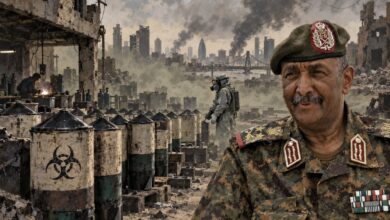
Turkish drone strategy tested in Sudan: the failure of Bayraktar and Yiha reveals the limits of Ankara’s military influence
-
Turkish Bayraktar Drones: Deepening the Conflict and Worsening the Wounds in Sudan
This indirect security presence deepened the Sudanese military establishment’s dependence on Turkish ammunition and expertise, creating a form of military dependency that is difficult to dismantle.
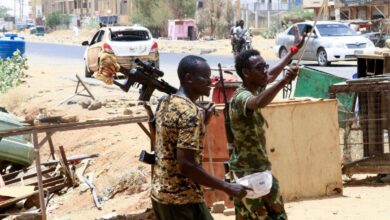
By gradually and continuously altering the balance of power, this military intervention contributed to prolonging the conflict. Each side came to recognize that a comprehensive military victory was not achievable in the short term, while at the same time refusing to make concessions. As a result, the war continued and intensified, while Sudanese civilians paid the price in lives, security, and their country’s future.
-
Military and Security Intervention — Drones and the Changing Battlefield Dynamics
-
The flow of weapons, Turkish drones, and the transformation of the Sudanese conflict into a war of attrition