Iran threatens to disrupt maritime navigation in strategic straits
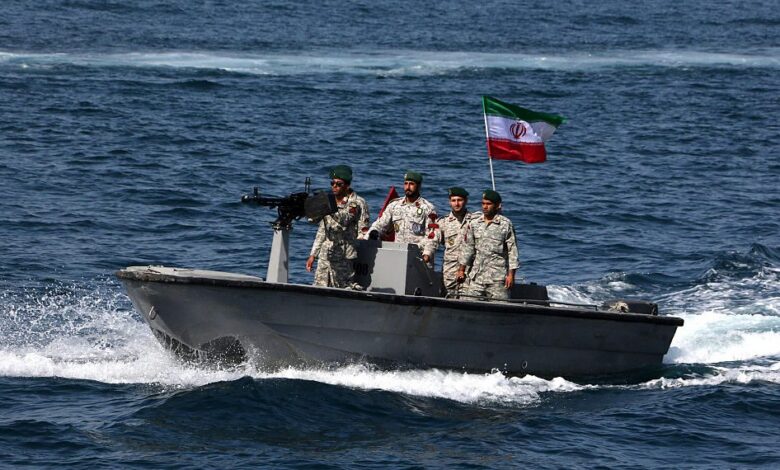
Iran’s warnings about closing vital waterways are part of an effort to demonstrate that American military pressure will not go unanswered.
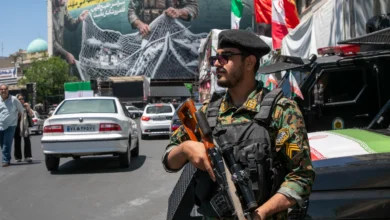
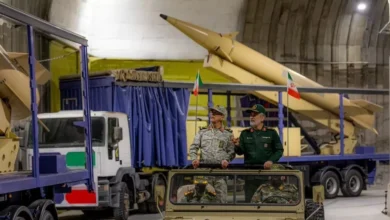
Iran has threatened to seal off the Strait of Hormuz and other strategic passages if the United States continues what Tehran describes as “fueling the war.” The move reflects Iran’s attempt to use critical maritime routes and the threat to international shipping as leverage against military and political pressure.
-
From the Nuclear Issue to the Strait of Hormuz: Trump Reshapes the Confrontation with Iran as Escalation Knows No Limits
-
U.S.–Iran Agreement on a Mechanism to End the Lebanon War and Reopen the Strait of Hormuz
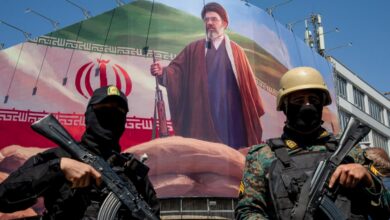
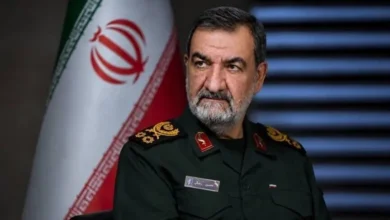
Mohammad Baqer Zolghadr, secretary of Iran’s Supreme National Security Council, warned that continued American efforts to “fan the flames of war” would make Tehran more willing to employ what he described as its “strategic tools” in confronting its adversaries.
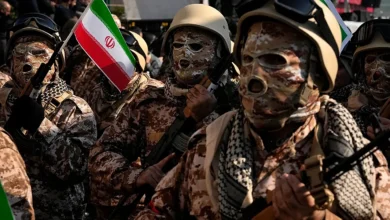
This escalation comes amid rising regional tensions and ongoing U.S. strikes against Iranian targets, as Tehran seeks to demonstrate that its deterrence capabilities extend beyond missiles and drones to include the ability to threaten global trade and energy flows.
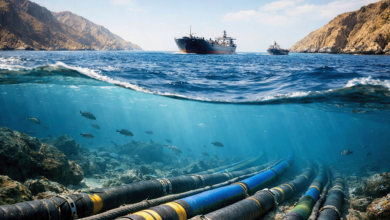
The Strait of Hormuz is the world’s most important maritime route for oil and gas exports, with a significant share of global energy trade passing through it. Any closure of the strait would likely disrupt international markets and drive up oil prices, insurance costs, and shipping rates.
-
Washington relies on shadow fleets to move oil through the Strait of Hormuz
-
Washington Refutes Tehran’s Claims Regarding the Closure of the Strait of Hormuz
Iran has repeatedly invoked this option during previous crises. However, recent statements have expanded to include references to “other strategic passages and straits,” suggesting an attempt to broaden the pressure to encompass shipping lanes in the Gulf, the Arabian Sea, and potentially routes connected to the Red Sea.
Although the Islamic Republic possesses an extensive coastline along the northern shore of the strait, the Strait of Hormuz remains an international waterway governed by international law. No state has the legal authority to close it or prevent the innocent passage of commercial vessels.
Experts in maritime law emphasize that obstructing navigation through international straits would constitute a violation of maritime conventions and pose a threat to global economic security, given that dozens of countries rely on this route for energy supplies and essential goods.
-
How did the U.S. military rescue its pilots from the waters of the Strait of Hormuz?
-
Fears of Regional Escalation After the U.S. Helicopter Crash in the Strait of Hormuz
Observers believe that Iran’s objective goes beyond the actual closure of the strait and instead aims to establish a new deterrence equation: any escalation against Iran would carry not only military consequences but also significant economic costs for the international community.
Nevertheless, implementing a long-term blockade would represent an extremely risky option for Tehran, as it would place the country in direct confrontation with major naval powers, particularly the United States, which considers freedom of navigation in the Gulf to be a strategic interest that cannot be compromised.
Moreover, any large-scale disruption of maritime traffic would also harm Iran’s own exports and negatively affect neighboring Gulf states, making this strategy costly for all parties involved.
-
Additional U.S. Sanctions on Iran: Hormuz Opens a New Front of Pressure
-
Lessons from Hormuz: why Iran must not be allowed to continue threatening the strait
Iran’s threats are therefore part of a broader effort to demonstrate that American military pressure will not pass without consequences and that Tehran still retains the capacity to influence one of the world’s most sensitive maritime corridors.
Through this strategy, the Iranian leadership seeks to strengthen its negotiating position and send a message to Washington and its allies that any military escalation could extend beyond conventional battlefields and affect the arteries of global trade and energy, even if the option of a complete blockade remains fraught with serious legal, military, and economic repercussions.
-
Negotiating with Iran is a waste of time: American calls to open the Strait of Hormuz by force
-
Behind the scenes of the Charles de Gaulle mission: a rapid European move to secure Hormuz