Power Struggle Among Iran’s Factions: Hardliners Narrow the Room for Negotiation
Iran is experiencing a deep internal divide that is almost parallel to its confrontation with the West. Two competing factions are locked in a struggle over the country’s future, torn between continuing the diplomatic track and expanding the military confrontation.
This comes amid the absence of a Supreme Leader capable of imposing consensus among the rival factions, leaving the future of the regional conflict increasingly dependent on the struggle for power in Tehran rather than on decisions made in Washington.
Regional sources familiar with the matter told The Washington Post that there are currently two competing centers of power within the Iranian capital. The first is represented by civilian figures seeking to preserve a fragile diplomatic process and prevent the country from sliding into a full-scale regional war. Leading figures in this camp include President Masoud Pezeshkian, Foreign Minister Abbas Araghchi, and Parliament Speaker Mohammad Bagher Ghalibaf.
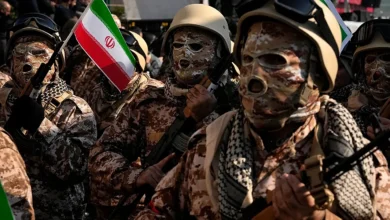
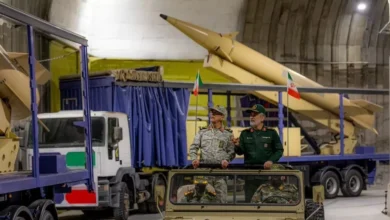
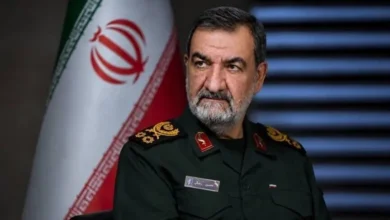
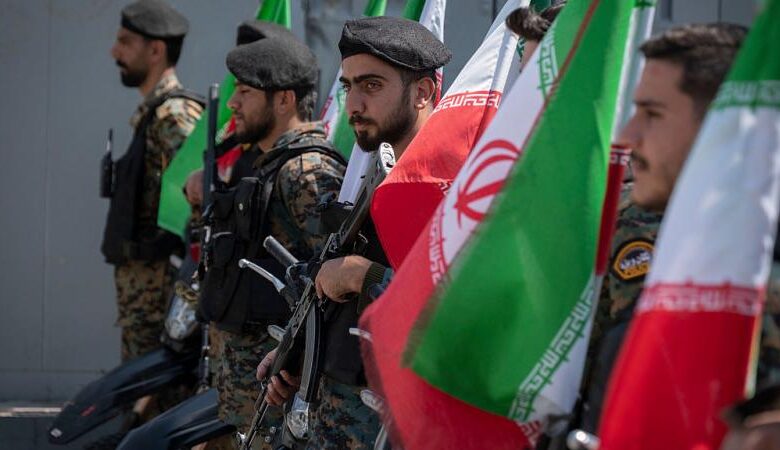
The second is represented by the Islamic Revolutionary Guard Corps, which has growing influence and insists on continuing the policy of escalation while establishing new realities on the ground through military operations.
Erosion of Civilian Authority and the Imposition of Facts on the Ground
According to the sources, the balance of power is gradually shifting in favor of the military establishment. The Revolutionary Guard is now imposing new realities on the ground through its military operations, after which the conservative bloc in Parliament moves to turn these developments into binding legislation, making any reversal extremely difficult.
According to one source, civilian officials may succeed in signing agreements or launching political initiatives, but they lack the ability to restrain the Revolutionary Guard’s actions or prevent Parliament from passing laws that override such understandings. This gives the hardline faction the upper hand in shaping the state’s actual policies.
Behnam Ben Taleblu, senior director of the Iran Program at the Foundation for Defense of Democracies, argues that distinguishing between official diplomatic rhetoric and the military’s policies on the ground is essential to understanding Iran’s decision-making process.
Taleblu said that those who currently hold the reins of power in Iran “continue to speak and act as if escalation, rather than dialogue, is what will ensure their survival.” He warned that the regime is increasingly betting on confrontation instead of negotiations.
Developments on the Ground Point to the Revolutionary Guard’s Dominance
Signs of this shift have emerged in recent weeks through a series of developments that observers view as evidence of the growing influence of the military establishment. During the funeral ceremony of former Supreme Leader Khamenei, Revolutionary Guard commanders occupied the front rows, while senior civilian officials were relegated to the background. The political message reflected the new balance of power within the regime.
Reports also indicated that several official speeches were edited before being broadcast rather than aired live, raising questions about which authority now controls the state’s political and media messaging.
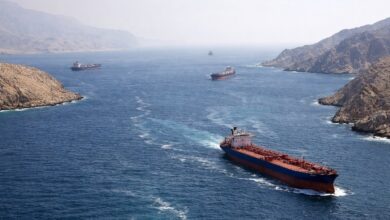
At the same time, the Iranian Parliament took legislative steps viewed as supportive of an escalation-oriented approach. It approved, by a majority of 180 lawmakers, the termination of the memorandum of understanding signed in Islamabad and introduced a bill titled “Strategic Action for the Security and Sustainability of the Strait of Hormuz and the Persian Gulf.”
Observers believe this move is intended to narrow the civilian government’s room for maneuver and push the country toward tougher policies in one of the world’s most strategically sensitive waterways.
The Supreme Leader’s Absence Opens the Door to Internal Disorder
Uncertainty within the regime has deepened amid the continued absence of Supreme Leader Mojtaba Khamenei from public view since he assumed office following his father’s death in an explosion on February 28.
Since then, the new Supreme Leader has not appeared at any public event. He has limited himself to issuing written statements, without delivering speeches, appearing in the media, or participating in public ceremonies. This has fueled widespread speculation about the balance of power within the regime and about who is actually making the strategic decisions.
Taleblu noted that the Supreme Leader’s absence from his father’s funeral and his prolonged disappearance “reveal a great deal about who is pulling the strings.” He added that even if he were to reappear one day, his ability to rally the various factions would remain limited after such a prolonged absence.
A regional source stated that “there is no longer anyone capable of forcing the two sides to reach an understanding,” referring to the leadership vacuum that is deepening the divide between civilian and military factions.
Misjudging the Risks and Gambling on Confrontation
Analysts believe the Iranian regime appears convinced that war remains in its interest despite suffering heavy military losses. It believes there are genuine obstacles to President Trump escalating the confrontation and recognizes that continued confrontation may still yield strategic gains.
However, the sources indicated that the civilian leadership could gain greater influence in the next phase, particularly after “the Revolutionary Guard realized that it will no longer be able to obtain weapons from any other market.”
Iran’s recent diplomatic initiatives, particularly the decision by prominent political figures to travel to Pakistan for mediation efforts, appear to represent a final attempt by the civilian faction to keep diplomatic channels open and prevent the country from sliding completely into confrontation.
Nevertheless, Taleblu cautions Washington against overestimating the significance of diplomatic rhetoric coming from Iranian politicians. He emphasizes that “the question is not whether we are talking to the wrong people, but what those conversations will actually bring you,” suggesting that amid the intense internal struggle over Tehran’s future, military escalation remains the most likely course of action.