Peanuts at Breakfast: A Small Food with Big Benefits
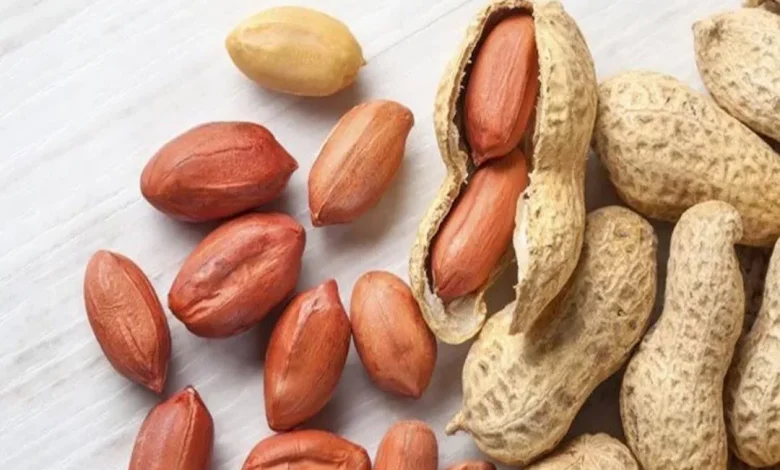
Often viewed as a simple snack, peanuts are actually one of the most nutrient-dense foods available. Despite their small size, they contain an impressive concentration of protein, healthy fats, vitamins, minerals, and antioxidant compounds. When included in a balanced breakfast, peanuts can help improve satiety, support cardiovascular health, promote blood sugar control, and provide long-lasting energy throughout the morning.
At a time when many people seek foods that are nutritious, affordable, and easy to incorporate into daily life, peanuts stand out as an excellent option.
An Exceptional Nutritional Profile
Peanuts belong to the legume family, although they are often grouped with tree nuts because of their similar nutritional characteristics.
A moderate serving of peanuts provides:
- High-quality plant protein
- Heart-healthy unsaturated fats
- Dietary fiber
- Vitamin E
- B-complex vitamins
- Magnesium
- Phosphorus
- Potassium
- Zinc
- Antioxidant compounds
This unique combination makes peanuts a highly nutrient-dense food.
A Sustainable Source of Morning Energy
Breakfast plays a crucial role in replenishing the body’s energy stores after overnight fasting.
Unlike foods rich in refined sugars that often cause a rapid rise and subsequent crash in energy levels, peanuts provide a more stable energy supply due to their balanced combination of protein, healthy fats, and fiber.
This slower release of energy helps:
- Maintain concentration
- Reduce fatigue
- Improve productivity
- Support physical performance
For students, workers, and athletes, adding peanuts to breakfast may be a simple strategy to enhance mental and physical endurance.
A Natural Appetite Controller
One of the greatest benefits of peanuts is their ability to promote long-lasting satiety.
Protein and fiber slow digestion and prolong stomach emptying, helping reduce hunger between meals and limiting excessive consumption of highly processed foods.
Several studies have shown that individuals who regularly consume protein-rich legumes and nuts tend to experience better appetite control throughout the day.
Supporting Cardiovascular Health
Cardiovascular disease remains one of the leading causes of death worldwide, and nutrition plays a key role in prevention.
Peanuts contain mainly monounsaturated and polyunsaturated fats, which are considered beneficial for heart health.
These fats may help:
- Lower LDL cholesterol levels
- Maintain healthy HDL cholesterol levels
- Reduce vascular inflammation
- Support arterial function
Peanuts also contain resveratrol, an antioxidant compound widely studied for its potential cardiovascular benefits.
Blood Sugar Regulation
Breakfast strongly influences blood glucose fluctuations throughout the day.
Due to their low glycemic load, peanuts cause only a modest rise in blood sugar levels. Their protein and fat content slow carbohydrate absorption, helping maintain more stable glucose levels.
This characteristic may be especially valuable for:
- Individuals with insulin resistance
- People with prediabetes
- Those seeking stable energy levels
- Individuals managing body weight
When combined with fiber-rich foods such as fruits or whole grains, peanuts contribute to better metabolic balance.
Rich in Plant Protein
Protein is essential for growth, tissue repair, and muscle maintenance.
Peanuts are among the best plant-based protein sources available, making them an excellent option for:
- Vegetarians
- People reducing meat consumption
- Athletes
- Growing adolescents
Including peanuts at breakfast helps support muscle preservation and recovery.
Benefits for Brain Health
The brain requires a constant supply of nutrients to function efficiently.
Peanuts contain several nutrients important for nervous system health, including:
- Vitamin E
- Niacin
- Magnesium
- Unsaturated fatty acids
These nutrients help protect nerve cells from oxidative stress and support cognitive function.
Some research suggests that diets rich in antioxidants and healthy fats may contribute to maintaining cognitive abilities as people age.
A Valuable Tool for Weight Management
Although peanuts are relatively calorie-dense, moderate consumption is generally not associated with excessive weight gain.
In fact, several studies suggest that their strong satiety effect may help reduce total daily calorie intake.
Their combination of protein, fiber, and healthy fats promotes:
- Greater fullness
- Reduced snacking
- Better portion control
Moderation remains essential, but peanuts can be part of an effective weight-management strategy.
Protective Antioxidants
Peanuts contain a variety of natural antioxidants, including:
- Resveratrol
- Polyphenols
- Vitamin E
- Phytosterols
These compounds help combat oxidative stress, which is associated with cellular aging and many chronic diseases.
How to Include Peanuts in Breakfast
There are many simple ways to enjoy peanuts in the morning:
- A handful of plain peanuts
- Natural peanut butter on whole-grain bread
- Mixed into plain yogurt
- Added to oatmeal
- Blended into smoothies
- Combined with fresh fruit
Choosing unsalted peanuts is generally recommended to limit excessive sodium intake.
Conclusion
Peanuts are far more than a simple snack. Despite their small size, they are an outstanding source of plant protein, healthy fats, fiber, vitamins, and antioxidants. When consumed as part of a balanced breakfast, they can promote satiety, support heart health, improve blood sugar control, and provide long-lasting energy.
As part of a healthy diet, peanuts represent a perfect example of a simple, accessible, and highly nutritious food capable of delivering significant long-term health benefits.