Peppermint Oil Enters the Supplement Market: Its Main Health Uses
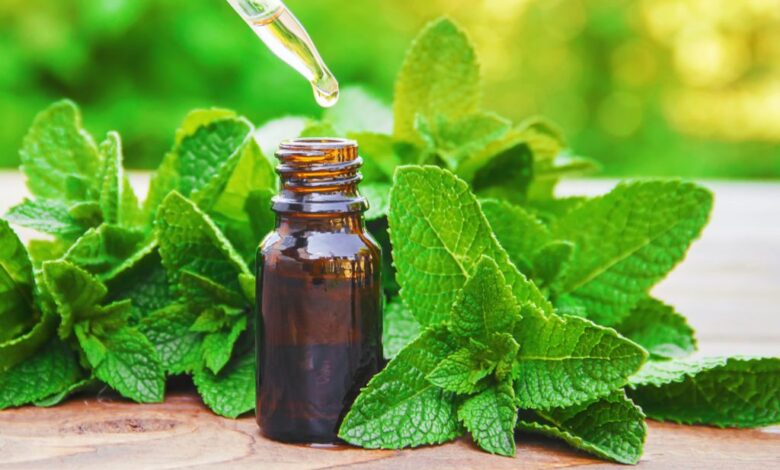
Peppermint oil, extracted primarily from the leaves of Mentha × piperita, has been used for centuries in traditional medicine and herbal practices. Today, it is increasingly available as a dietary supplement, particularly in capsules containing peppermint essential oil. Much of the interest surrounding it comes from menthol and other aromatic compounds that may have a range of biological effects.
One of the areas in which peppermint oil has been most extensively studied is digestive health. Certain preparations, particularly enteric-coated capsules, may help relieve some symptoms associated with irritable bowel syndrome, including abdominal pain, bloating, and intestinal spasms. The oil may work partly by relaxing smooth muscle in the digestive tract, potentially reducing painful contractions.
This antispasmodic effect is largely attributed to menthol. By influencing mechanisms involved in intestinal muscle contraction, menthol may help reduce spasms and digestive discomfort in some individuals. However, effectiveness can depend on the formulation, dosage, and method of administration.
Peppermint oil is also well known for its cooling sensation. Menthol activates cold-sensitive receptors in the skin and mucous membranes, creating a feeling of coolness without necessarily lowering the actual temperature of the tissues. This property explains why peppermint is commonly included in products designed to provide a temporary cooling or soothing sensation.
Researchers have also investigated peppermint oil and menthol-based preparations for headaches and migraines. Applying a suitable menthol-containing preparation to certain areas of the head may create a cooling sensation and may reduce the intensity of some types of headache in certain individuals. However, concentrated essential oil should not be applied directly to the skin without appropriate precautions because it can cause irritation.
Peppermint oil also demonstrates antimicrobial activity in laboratory studies. Some of its compounds can inhibit the growth of certain bacteria and fungi under experimental conditions. However, these findings do not mean that peppermint oil can replace medically appropriate treatment for an infection.
Its use as a dietary supplement therefore requires caution. Essential oils are highly concentrated substances and should not be considered equivalent to ordinary peppermint tea. Oral products should be taken according to the manufacturer’s instructions or under the guidance of a qualified healthcare professional.
People with gastroesophageal reflux disease should be particularly cautious. Peppermint oil may relax the lower esophageal sphincter in some individuals, potentially worsening heartburn or acid reflux. It may also cause nausea, abdominal discomfort, or other digestive symptoms in some users.
Additional caution is advisable for children, pregnant or breastfeeding women, and people taking several medications. Essential oils may interact with certain medicines or may not be appropriate in particular medical circumstances. Anyone considering regular supplementation should therefore seek professional advice when relevant.
It is also important to distinguish dietary supplements from medicines. Even when a supplement has promising scientific evidence, this does not mean that it can treat every disease or replace medical care. The concentration, formulation, and quality of peppermint oil products can also vary substantially.
Overall, peppermint oil has potential benefits, particularly for certain functional digestive symptoms and, in specific formulations, for temporary relief of some types of discomfort. However, it should be used responsibly because “natural” does not automatically mean risk-free. Appropriate dosing and professional guidance when necessary can help maximize potential benefits while reducing the likelihood of adverse effects.