Al-Ebary’s Activities: Al-Ain News Reveals Muslim Brotherhood Contacts with the Revolutionary Guard and Hezbollah
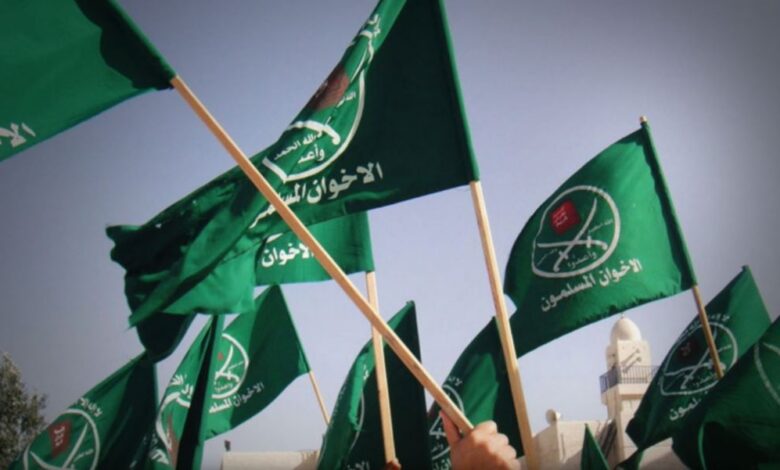
A controversial aspect of the activities of Muslim Brotherhood leader Mahmoud Al-Ebary has been revealed, particularly his contacts with parties linked to the Iranian axis.
-
The United States and Political Islam: A New Strategy to Pursue the Muslim Brotherhood
-
The Brotherhood in Washington: Why has the group’s file turned into a national security issue inside the United States?
Last month, the United States placed Mahmoud Al-Ebary, secretary-general of the international organization of the Muslim Brotherhood, on its terrorism-related sanctions list, amid reports that Iraqi national Ahmed Al-Rawi had been provisionally selected to succeed him pending elections expected to be held later this year.
Al-Ebary, who resides in the United Kingdom, carried out a series of foreign activities over the past year, including visits to Nigeria, South Africa, Tanzania, and Lebanon, before subsequently turning his attention to Pakistan.
In Pakistan, he took part in the Lahore meeting organized by the international Muslim Brotherhood organization on the sidelines of an event held by Pakistan’s Jamaat-e-Islami, the Brotherhood’s local branch in the country.
-
The United States escalates pressure on the Muslim Brotherhood in the Middle East: designation of the movement and its branches in Lebanon, Egypt, and Jordan
-
The United States tightens the noose on Lebanon’s Muslim Brotherhood with the harshest classifications : who is al-Jamaa al-Islamiya?
Meetings with the Revolutionary Guard
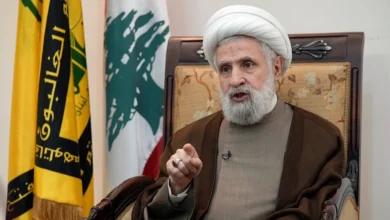
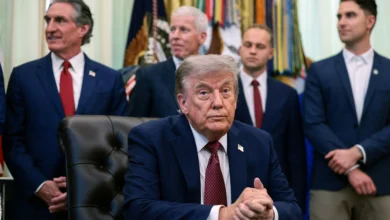
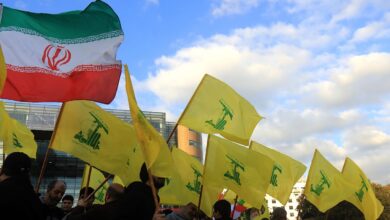
During these visits, Al-Ebary met, according to the sources, with various figures, including individuals affiliated with Iran’s Islamic Revolutionary Guard Corps, Hezbollah, and Lebanon’s Jamaat-e-Islami, the local branch of the Muslim Brotherhood. The latter was included, by a decision of U.S. President Donald Trump, on terrorism-related lists at the beginning of this year, alongside the Egyptian and Jordanian branches.
The sources added that Al-Ebary’s meetings and foreign contacts were among the issues subjected to close monitoring, particularly as the scope of his activities outside Europe expanded while he simultaneously assumed influential roles within the international organization of the Muslim Brotherhood.
-
The United States designates the Muslim Brotherhood branches in Lebanon, Egypt, and Jordan as terrorist organizations
-
The United States and the designation of the Muslim Brotherhood as a terrorist organization… Three steps needed to strengthen the process
Al-Ebary’s foreign activities were not isolated from a broader effort to monitor his activities. According to the same sources, security and intelligence agencies had been tracking his movements and contacts before he was placed on the U.S. sanctions list.
In addition to his organizational and financial activities, the monitoring also covered his network of foreign relations and the parties he met during his travels, making some of these contacts a particular focus of attention.
This information comes in the wake of the U.S. sanctions imposed on Al-Ebary, which informed sources described as a blow to his ambitions within the international organization, at a time when he had been seeking to strengthen his leadership position within the movement.
-
Expert on extremist groups: U.S. sanctions against Mahmoud El-Ibiary reveal the expanding Muslim Brotherhood-Hamas financing network
-
U.S. Sanctions Strike at Funding Channels: Mahmoud al-Ebary Targeted by Treasury as Muslim Brotherhood and Hamas Networks Come Under Scrutiny
Influence Beyond the Position of Secretary-General
Al-Ebary’s influence within the international organization was not based solely on his position as secretary-general. According to the sources, he was also responsible for important financial, economic, and organizational portfolios and followed several issues linked to the movement’s networks and its economic entities.
The sources indicate that this influence, combined with his foreign contacts and movements, made Al-Ebary a figure subject to increasing scrutiny, particularly as U.S. pressure has intensified on networks linked to the Muslim Brotherhood and allied organizations.
-
Mahmoud El-Ebary Under Sanctions: How Did His Name Become Linked to the Muslim Brotherhood’s Organizational Structure?
-
The Muslim Brotherhood Under U.S. Scrutiny in Europe: Mahmoud El-Ebary
-
The Muslim Brotherhood before the U.S. Congress: broader oversight of networks and financing
-
Washington Expands Strategy to Target Muslim Brotherhood Networks Worldwide
-
After U.S. Sanctions, Muslim Brotherhood Resorts to Evasion and Threatens Europe