Washington resorts to a cheaper and more effective weapon to force Tehran into submission
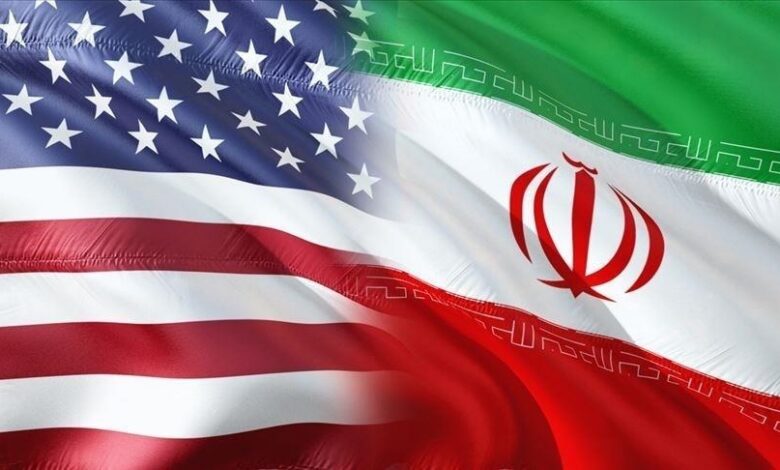
The United States is betting on turning deteriorating living conditions into a source of political pressure that could prompt Iranian citizens to question the value of continuing the confrontation.
A White House official said late Wednesday that “sanctions and the naval blockade have left Tehran completely bankrupt,” stressing that U.S. President Donald Trump has numerous tools at his disposal to pressure Iran and could use them over the coming months, alongside ongoing diplomatic efforts to end the conflict. The official noted that economic pressure is particularly less costly and more effective in the Iranian context.
The renewed focus on inflicting economic damage on Iran, an approach known as “maximum pressure” during Trump’s first term, marks a notable shift in the U.S. administration’s policy, which only days earlier had been threatening to expand the military campaign against Tehran after nearly six months of war, according to Bloomberg.
Cumulative economic pressure could become a more effective negotiating tool than direct military escalation by pushing Iran toward a point at which continuing the confrontation becomes more costly than making concessions at the negotiating table.
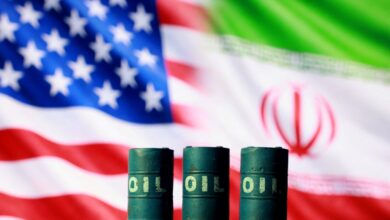
This approach is based on tightening sanctions alongside the naval blockade, which has restricted Iranian oil exports and trade, thereby deepening pressure on an economy already suffering from chronic structural imbalances. The impact has been felt directly in Iranians’ purchasing power and living standards. From the U.S. administration’s perspective, continuing this trajectory could narrow the Iranian government’s room for maneuver, particularly if declining revenues are accompanied by difficulties in securing fuel and essential goods and by rising living costs, thereby increasing social pressure on the authorities.
U.S. Ambassador to the United Nations Mike Waltz told Fox News on August 10 that “the economic rage operation, led by Treasury Secretary Scott Bessent, is devastating the Iranian economy.” He added that Iran could “withstand the bombing,” but claimed that Iranians feared Bessent more than Defense Secretary Pete Hegseth.
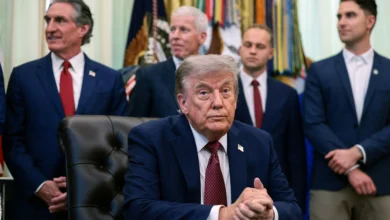
Trump made a similar statement to Axios last Sunday, saying that he was dealing with Iran calmly, adding: “We’re just watching Iran suffer from massive inflation and from the fact that it has no money.”
Bessent also advanced the same argument several weeks earlier during an interview with Fox News, saying that “the government is the one causing the people to suffer, and we will continue to increase the pressure.”
These positions are consistent with the views of some analysts who believe that the Iranian regime is approaching the brink of economic collapse.
However, the U.S. strategy is not aimed solely at weakening the economy. It also seeks to turn deteriorating living conditions into a source of political pressure that could lead citizens to question the value of continuing the confrontation. The longer the crisis persists, the more Iranian public frustration could become an additional factor limiting Tehran’s ability to reject U.S. demands, particularly as sanctions relief, the reopening of trade channels, and the restoration of oil revenues could provide direct incentives in exchange for concessions on disputed issues.
The current negotiations show that the economy has already become a central component of the negotiating equation. Tehran is demanding an end to the blockade and the release of frozen funds, while Washington is linking any easing of pressure to changes in Iranian behavior and to arrangements concerning the Strait of Hormuz.
Nevertheless, this strategy remains fraught with risks because Iran has become accustomed to dealing with sanctions. It could choose to distribute the cost of the crisis across society, secure supplies of essential goods, and adopt a survival economy, allowing the regime to withstand the pressure for longer than Washington expects. The success of the U.S. strategy will therefore depend on whether economic pressure can outpace Tehran’s ability to adapt, and on whether deteriorating living conditions actually translate into political pressure on the leadership or instead lead to greater mobilization against the United States.
Jeremy Banner, a partner at Hughes Hubbard & Reed specializing in monitoring sanctions imposed on Iran’s oil and petrochemical sectors, said that the United States had imposed around 2,200 sanctions on Tehran since Trump began expanding the sanctions regime in 2018, including approximately 350 as part of Bessent’s “economic rage” campaign.
Even so, these measures have so far failed to significantly persuade Tehran to retreat from some of what it describes as its “red lines,” whether regarding its nuclear program or the Strait of Hormuz.
The United States still has the ability to make it more difficult for Iran to sell its oil or repatriate the resulting revenues to Tehran, opening the door to additional options for tightening the economic squeeze.