How Does Rice Bran Affect Digestive and Colon Health?
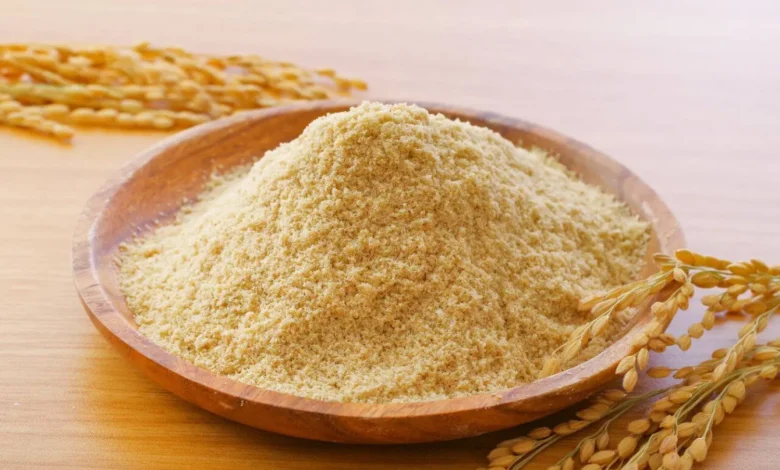
Rice bran is the outer layer of the rice grain that is removed when brown rice is processed into white rice. Once regarded primarily as a by-product of rice milling, it has attracted increasing nutritional interest because it contains dietary fiber, antioxidants, vitamins, minerals, and other bioactive compounds. Because of this nutritional profile, rice bran may support digestive function and contribute to maintaining a healthy colon.
One of its most important benefits is its high dietary fiber content. Fiber increases stool bulk and helps promote the movement of food through the digestive tract. Adequate fiber intake can therefore help prevent constipation and support regular bowel movements. However, increasing fiber intake too quickly may cause temporary digestive symptoms such as bloating, gas, or abdominal discomfort.
Rice bran also contains fermentable fibers that can be metabolized by beneficial bacteria in the gut. This fermentation produces short-chain fatty acids, which play an important role in colon health. Butyrate, in particular, serves as an important energy source for the cells lining the colon and contributes to maintaining the integrity of the intestinal barrier.
The gut microbiome may also benefit from regular consumption of rice bran. Experimental research suggests that its fiber and bioactive compounds may promote the growth or diversity of certain beneficial intestinal bacteria. A diverse and balanced gut microbiome is generally associated with better digestive health, although individual responses can vary depending on genetics, diet, lifestyle, and existing health conditions.
Rice bran is also rich in antioxidant compounds, including phenolic acids and other bioactive substances. These compounds may help reduce oxidative stress within the body. Researchers are investigating whether these antioxidant properties could contribute to protecting cells in the colon, although more human research is needed to establish their long-term effects.
Some studies have explored the potential role of rice bran in protecting against certain colon disorders through its possible effects on the gut microbiome, bowel function, and inflammatory processes. However, the available evidence is not sufficient to consider rice bran a treatment or a guaranteed method of preventing colorectal cancer.
How rice bran is consumed also matters. It can be gradually added to cereals, yogurt, whole-grain preparations, or other foods. Increasing the amount slowly and drinking enough water can help the digestive system adapt to the additional fiber and reduce the likelihood of gastrointestinal discomfort.
It is also important to distinguish ordinary food-grade rice bran from highly concentrated supplements. Very high doses of fiber or bioactive compounds may not be suitable for everyone, particularly people with certain digestive disorders. In addition, because rice bran comes from the outer layer of the grain, the quality and origin of the product are important when considering potential exposure to environmental contaminants.
Overall, rice bran can be a useful addition to a balanced diet because of its high fiber content and range of bioactive compounds. It may support regular bowel movements, contribute to a healthy gut microbiome, and help maintain normal colon function. However, it should not be considered a substitute for a varied diet or medical treatment. Its potential benefits are best viewed as part of an overall eating pattern rich in fiber, fruits, vegetables, legumes, and whole grains.