Red cabbage or green cabbage: which is better for gut health?
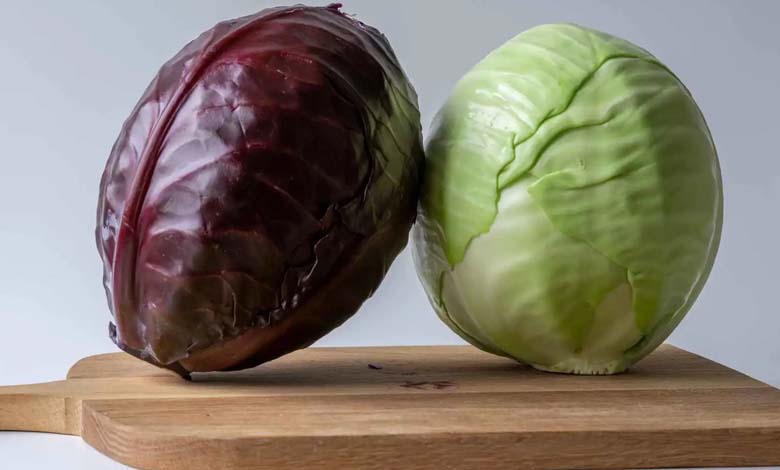
In the field of nutrition, cruciferous vegetables are highly valued due to their richness in nutrients and bioactive compounds. Among them, cabbage, whether red or green, has gained attention for its potential effects on gut health. While both varieties share many similarities, they also have distinct nutritional characteristics that may influence their impact on the microbiome and digestive system.
General nutritional composition
Both red and green cabbage are excellent sources of dietary fiber, vitamins, and minerals. They provide vitamin C, vitamin K, and various sulfur-containing compounds.
These nutrients support cellular protection, immune function, and intestinal regulation.
Specific features of red cabbage
Red cabbage stands out due to its high content of anthocyanins, pigments responsible for its distinctive color. These compounds have strong antioxidant properties.
Anthocyanins may help reduce oxidative stress and protect intestinal cells from damage.
Specific features of green cabbage
Green cabbage, on the other hand, is often richer in certain sulfur compounds, particularly glucosinolates. These substances are studied for their potential roles in detoxification and disease prevention.
It also has a milder texture, which may be better tolerated by some individuals.
Role of fiber in gut health
Both types of cabbage are rich in fiber, which plays a crucial role in gut health. Fiber supports bowel movement, feeds the microbiome, and contributes to the production of short-chain fatty acids.
These metabolites are involved in regulating inflammation and maintaining the integrity of the intestinal lining.
Effects on the gut microbiome
The gut microbiome benefits greatly from the consumption of fiber-rich and bioactive-rich vegetables. Both red and green cabbage can support microbial diversity.
However, the anthocyanins in red cabbage may offer additional benefits by modulating certain bacterial populations.
Digestive tolerance
Digestive tolerance varies among individuals. The fermentable compounds in cabbage may cause bloating or gas in some people.
Green cabbage, being milder, may be better tolerated, whereas red cabbage can be more challenging for sensitive digestive systems.
Impact of preparation methods
The way cabbage is prepared significantly affects its digestive impact. Cooking can reduce irritating compounds and improve digestibility.
Conversely, raw consumption preserves more nutrients but may be harder to digest.
Fermentation and probiotics
Fermented cabbage, whether red or green, provides a valuable source of probiotics. Fermentation promotes the growth of beneficial microorganisms that support gut health.
These foods can improve microbiome balance and enhance digestion.
Overall comparison
From a nutritional perspective, both varieties offer significant benefits. Red cabbage stands out for its antioxidant content, while green cabbage is often better tolerated.
The choice between the two depends on individual needs and digestive sensitivity.
Incorporation into a balanced diet
Including a variety of vegetables ensures a broad range of nutrients. Alternating between red and green cabbage can optimize nutritional intake.
Regular consumption, adapted to digestive capacity, supports overall gut health.
Conclusion
Both red and green cabbage offer benefits for gut health due to their fiber and bioactive compounds. Red cabbage provides higher antioxidant content, while green cabbage is often easier to digest.
Rather than favoring one exclusively, a diversified and individualized approach is the most effective strategy for supporting the microbiome and digestive health.