Hardline American and Iranian positions dispel hopes for a near agreement
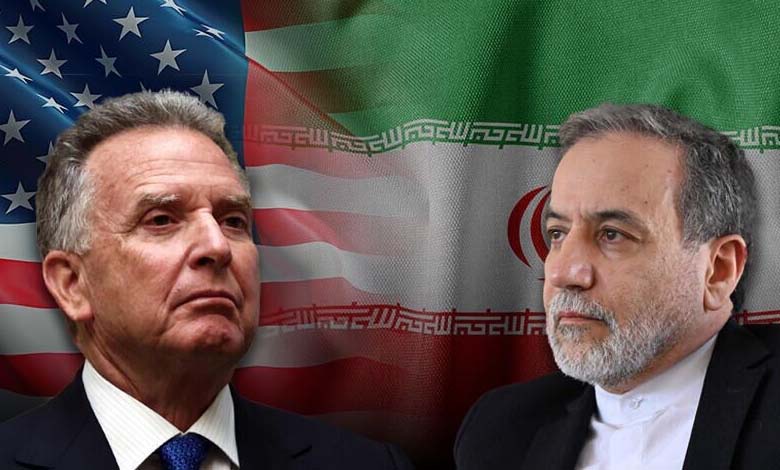
The deadlock keeps the world’s largest economy and one of the major oil-producing countries locked in a confrontation that has already pushed energy prices to their highest levels in several years.
Hopes for a diplomatic breakthrough in the U.S.-Israeli war against Iran faded at the start of the week as talks aimed at ending the two-month conflict reached a stalemate, with neither Tehran nor Washington showing meaningful willingness to ease their conditions.
-
Sanctions on Iran and Aid to Israel… “American Representatives Swim Against the Biden Current”
-
Washington studies punitive measures within the North Atlantic Treaty Organization over the war with Iran
Iranian Foreign Minister Abbas Araghchi left Pakistan, which is playing a mediating role, empty-handed early in the week, while U.S. President Donald Trump canceled a planned visit by his envoys Steve Witkoff and Jared Kushner to Islamabad, dealing two successive blows to hopes for peace.
This deadlock keeps the world’s largest economy and a major oil-exporting country in a confrontation that has already driven energy prices to their highest levels in years, fueled inflation, and cast a shadow over global growth prospects.
According to a statement issued by the Iranian government, Iranian President Masoud Pezeshkian told Pakistani Prime Minister Shehbaz Sharif in a phone call that Tehran would not enter into “imposed negotiations” under threats or blockade.
-
Israeli report: undeclared Chinese involvement in Iran–U.S. talks
-
Iran to Trump: we did not request the extension of the truce, and the loser does not set the terms
Pezeshkian said the United States must first remove “operational obstacles,” including the blockade imposed on Iranian ports, before negotiators can lay the groundwork for resolving the conflict.
Araghchi described his visit to Pakistan as “very fruitful.” An Iranian diplomatic source in Islamabad said Tehran would not accept “extreme demands” from the United States. Trump, speaking to reporters in Florida, said he canceled the envoys’ visit because the talks involved too much travel and expense to consider what he viewed as an insufficient Iranian offer. After canceling the diplomatic visit, Trump said Iran “offered a lot, but not enough.” He wrote on Truth Social that there were “internal struggles and tremendous confusion” within the Iranian leadership.
He added, “No one knows who is in charge, including themselves. We have all the cards; they have nothing! If they want to talk, all they have to do is call us.”
-
Trump: Iran faces financial collapse due to the blockade
-
When will the truce between the United States and Iran end?
Last Thursday, Pezeshkian said there are “no hardliners or moderates” in Tehran, and that the country stands united behind its Supreme Leader. Iran’s chief negotiator Mohammad Bagher Ghalibaf and Araghchi echoed this message in recent days. Regional tensions increased after the office of Israeli Prime Minister Benjamin Netanyahu said he had ordered the army to strike Hezbollah targets in Lebanon, putting additional strain on a ceasefire that has lasted three weeks.
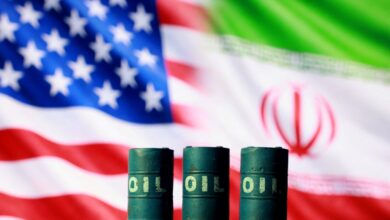
Tehran has largely closed the Strait of Hormuz, through which roughly one-fifth of global oil and liquefied natural gas shipments normally pass, while Washington blocks Iranian oil exports.
-
International anticipation over the fate of the ceasefire after the seizure of an Iranian vessel
-
Hormuz and the nuclear issue: Iranian blackmail threatens the fragile truce
White House Press Secretary Karoline Leavitt said earlier that the United States had observed some progress on the Iranian side and that Vice President JD Vance was ready to travel to Pakistan. Vance led an initial round of talks in Islamabad earlier this month, which did not succeed.
The conflict between the United States and Iran, currently under a ceasefire period, began with U.S.-Israeli airstrikes on Iran on February 28. Since then, Iran has launched attacks on Israel, U.S. bases, and Gulf countries.
-
Washington and Tel Aviv are preparing for a collapse of the truce by defining an Iranian target bank
-
Gerald Ford in the Red Sea… The United States boosts readiness in facing Iran
-
The United States expands its deterrence equation against Iran… historic defense budget and accelerated military production