Six Challenges That Could Prevent the United States and Iran from Reaching a Final Agreement
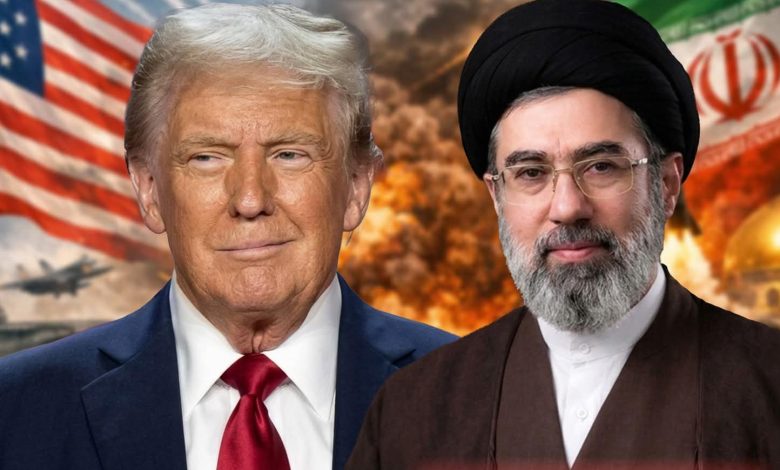
As American and Iranian negotiators enter the next phase of talks, they will face a series of obstacles that could undermine efforts to reach a comprehensive peace agreement.
Although a breakthrough remains possible, most analysts are skeptical about the ability of both sides to achieve a final settlement within the sixty-day period outlined in the memorandum of understanding agreed upon this week by President Donald Trump and Iranian leaders, according to Reuters.
The temporary agreement postponed the most difficult issues to the next stage of negotiations, with no guarantee that they will ultimately be resolved. The following factors could jeopardize a final deal.
Can They Overcome Their Differences on the Nuclear Issue?
The future of Iran’s nuclear program, which Trump has described as the primary reason for entering the conflict, may represent the greatest risk to the negotiations. The U.S. president has repeatedly stated that Iran has committed never to develop a nuclear weapon. However, this largely reiterates commitments that Tehran had already made in the past.
Negotiations may become stalled over the issue of Iran’s stockpile of uranium enriched to levels close to those required for weapons production. Trump has insisted that the material should either be transferred abroad or destroyed. Iran rejects both options but has indicated a possible willingness to reduce the enrichment level.
Another major point of contention concerns Iran’s future right to enrich uranium. The United States has at times demanded a complete halt to enrichment activities within Iran. Tehran insists that it will never relinquish what it considers its sovereign right to enrich uranium. Sources indicate that both sides have previously discussed the possibility of a temporary suspension lasting between five and twenty years, but a compromise remains distant.
Another disputed issue is whether Iran will once again accept the level of international inspections established under the 2015 nuclear agreement negotiated during former President Barack Obama’s administration, from which Trump withdrew in 2018.
Could the Strait of Hormuz Complicate Matters?
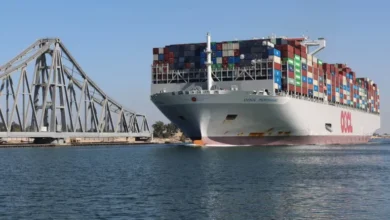
Questions also remain regarding the Strait of Hormuz, where Iran effectively disrupted maritime traffic following the U.S. and Israeli strikes of February 28, triggering a major shock to global energy supplies.
Under the memorandum of understanding, the strategic waterway—through which approximately one-fifth of global oil supplies previously passed—is expected to reopen. Nevertheless, shipping companies remain cautious.
The United States argues that navigation should be free of charges, while Iran insists on maintaining a role in the management of the strait.
What About Sanctions and Frozen Assets?
Another major obstacle concerns Iran’s desire for the rapid removal of sanctions and immediate access to billions of dollars in frozen assets. The United States, however, maintains that sanctions relief will be gradual and conditional upon Iranian compliance.
According to the text of the memorandum of understanding presented by U.S. officials on Wednesday, Iran will immediately receive exemptions allowing it to resume oil exports. This conciliatory gesture has fueled criticism from hardliners who believe Trump is offering excessive concessions to Tehran.
Comparisons have already been drawn between the current memorandum and the agreement reached under Barack Obama, which Trump frequently criticized for providing financial benefits to Iran.
Could Israel Attempt to Undermine the Process?
Israeli Prime Minister Benjamin Netanyahu, who helped persuade Trump to launch military action, insists that Israel is not bound by any agreement reached between Washington and Tehran regarding Israel’s conflict with Hezbollah, Iran’s ally in Lebanon.
Although hostilities have eased since Trump publicly criticized Netanyahu this week, any renewed escalation could threaten the negotiations. Iran has also stated that the agreement must include a ceasefire in Lebanon.
Could Negotiating Styles Clash?
The American negotiating team, which includes Vice President J.D. Vance, special envoy Steve Witkoff, and Jared Kushner, may face difficulties reconciling its approach with that of their Iranian counterparts.
Trump is known for seeking rapid results, whereas Iran traditionally favors lengthy and complex negotiations. This difference contributed to the failure of previous rounds of talks and could lead to a similar outcome this time.
Trump told reporters that this stage of negotiations would be “easier” than the previous one. Both sides have strong incentives to end the conflict. The U.S. president faces growing domestic pressure due to rising gasoline prices, while Iran has suffered significant military and economic setbacks.
However, many observers believe that the American team may lack the technical expertise necessary to match seasoned Iranian negotiators, who are known for their ability to prolong negotiations. As a result, the sixty-day timeframe may prove too short for drafting a detailed agreement. By comparison, the 2015 nuclear agreement took nearly two years to negotiate.
Even if an agreement is reached, doubts may remain regarding its implementation. Trump previously helped broker a ceasefire in the conflict between Israel and Hamas in Gaza, yet progress has largely stalled since then.
Could a Lack of Trust Be a Decisive Factor?
Iran remains deeply suspicious of Trump, who launched two attacks against the country within a single year while negotiations were ongoing.
Iran’s willingness to make concessions may also depend on Supreme Leader Mojtaba Khamenei, who is widely regarded as more hardline than his father, who was reportedly killed alongside Mojtaba Khamenei’s mother, wife, and son in a U.S.-Israeli strike.
The United States will likewise remain skeptical and closely monitor whether Iran is deliberately delaying progress. Trump’s advisers say they have observed such tactics before.
If both sides fail to overcome their differences and achieve a comprehensive settlement, a limited agreement or an extension of negotiations could still emerge, while the risk of renewed hostilities would remain ever present.
Other Factors That Could Cause the Negotiations to Fail
- If Trump yields to pressure from hardliners opposed to making concessions to Iran.
- If Iranian ultra-hardliners force their negotiators to adopt a more uncompromising stance.
- If conflicting interpretations of the memorandum of understanding create unrealistic expectations from the outset.
- If Trump resumes issuing aggressive threats similar to those made during the conflict, prompting Iran to withdraw from the negotiations.