Khalid Sheikh Mohammed’s Role: The Surprise for U.S. Intelligence in the 9/11 Attacks
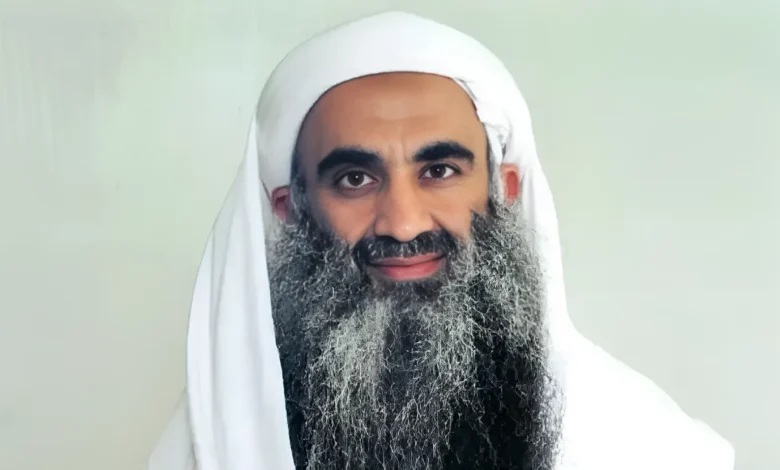
On June 23, 2001, Khalid Sheikh Mohammed, who would later be described as the mastermind behind the September 11 attacks and one of Al-Qaeda’s leading planners, obtained a U.S. B-1/B-2 visa for business and tourism using a forged passport and the name “Abdul Rahman al-Ghamdi.”
-
As the 25th anniversary approaches: why did the United States fail to prevent the September 11 attacks?
-
Who is Amin al-Haq, Bin Laden’s Associate Arrested in Pakistan?
The name was not new. He had previously used the same passport to apply for an Australian visa on August 13 of the same year. He obtained the visa but never used it, according to Newsweek magazine.
The paradox is that the U.S. visa was granted at a time when intelligence agencies were on heightened alert and warning of an imminent terrorist attack, yet neither the State Department, immigration authorities, the FBI, nor the intelligence services managed to connect the application to his true identity.
-
The Mastermind of 9/11 Escapes Execution… Plea Deal for Life Imprisonment
-
Collapse of 9/11 Mastermind’s Plea Deal: Justice Hunts the Architect of Terror
From Fighting the Soviets to the Wanted List
Khalid Sheikh Mohammed was born in Pakistan and raised in Kuwait. He belonged to the generation of fighters who took part in the war against the Soviet Union in Afghanistan, where he met Osama bin Laden.
After returning to Pakistan, he became an organizer and planner of several terrorist operations, ranging from the 1993 bombing of the World Trade Center to a Philippine-based plot carried out with Ramzi Yousef, one of the principal planners of the New York attack. The plot included plans to plant bombs aboard civilian aircraft.
-
Collapse of 9/11 Mastermind’s Plea Deal: Justice Hunts the Architect of Terror
-
Saudi FM: Kingdom Has Always Demanded Declassification of All 9/11 Documents
While in the Philippines, he used the name “Abdul Rahman” as a cover identity. Following Yousef’s arrest in 1995, interrogations of his associates and financial transfers linked to him led to Khalid Sheikh Mohammed being charged with terrorist conspiracy before the U.S. District Court for the Southern District of New York in 1996.
That same year, the FBI and the CIA attempted to arrest him in Qatar, with the involvement of then-FBI Director Louis Freeh. However, he received advance warning, allowing him to flee.
-
Similar to 9/11… Terrorist Plot Targeting U.S. Interests Uncovered
-
“Revolution or catastrophe”? .. a decade on “February 11” and Yemen still bleeds
His name was subsequently placed on a U.S. intelligence watchlist. This, however, did not prevent his assumed identity from escaping scrutiny during investigations and interrogations of detainees.
Although analysts knew him by the initials “KSM,” he never became an intelligence priority commensurate with the danger he represented and managed to evade surveillance.
-
Responsible for the Benghazi Attack: U.S. Court Brings Abu Khattala Closer to a Life Sentence
-
The future of the Five Eyes… A shadow alliance reshaping global intelligence maps
A “Surprise” That Shook the Intelligence Community
In the absence of effective monitoring, Khalid Sheikh Mohammed took charge of guiding and training the Hamburg cell, which included Mohamed Atta and Ziad Jarrah. For approximately a year and a half, he trained them in operational security and logistical preparations. He also remotely managed aspects of the financing and logistical support for the aircraft plot until the attacks were carried out. U.S. agencies did not recognize his central role until it was too late.
More than a year after the September 11 attacks, a joint investigative report, initially classified and later partially declassified, revealed the extent of the failure. It described the discovery of his role in the attacks as a “surprise to the intelligence community.”
-
The screen is more dangerous than the weapon… terrorist propaganda from training camps to artificial intelligence
-
Bagram Air Base: Legacy of the War on Al-Qaeda and Holder of the Nuclear Secret
The report explained that, before the attacks, U.S. agencies already possessed information linking him to bin Laden, to plans to use aircraft as weapons, and to terrorist activity inside the United States. However, after he was charged in 1996, attention became focused primarily on locating and apprehending him rather than analyzing his activities and his growing position within Al-Qaeda.
The report strongly criticized the failure to act on June 2001 intelligence reports indicating his role in sending terrorists to the United States or facilitating their activities after their arrival. It emphasized the absence of intelligence efforts specifically focused on him that could have provided a better understanding of Al-Qaeda’s plans and intentions.
Thus, possessing information ultimately became a weakness because the agencies failed to connect the different pieces of the picture. This allowed one of the most dangerous terrorist planners to operate beyond their scrutiny until the catastrophe occurred.
-
“The Messenger of Bin Laden”… A U.S. Intelligence Agency Reveals the Secret Behind the Fall of the Al-Qaeda Leader
-
What are the implications of rising terrorism in Africa on Europe? An expert answers
-
Who is Amin al-Haq, Bin Laden’s Associate Arrested in Pakistan?