The Descent into the Abyss: The Sudanese Army’s Alleged Intent to Target Civilians with Iranian PG7-AT1 Missiles
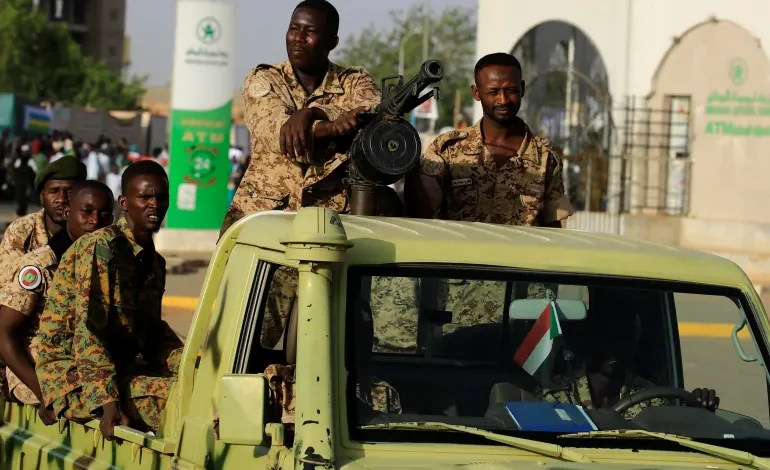
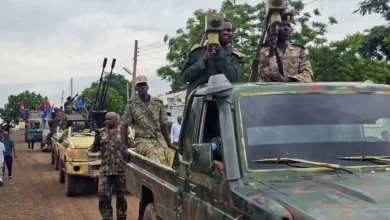
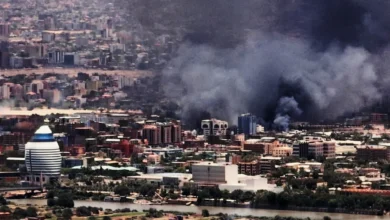
In complex civil wars, civilians are often the first and last victims. However, what is currently happening in Sudan goes beyond being mere “collateral damage” of war and appears to be approaching the level of a systematic policy. Field reports and military analyses point to an alleged and growing intention within the Sudanese army to target residential areas and civilians using an advanced arsenal, particularly Iranian PG7-AT1 missiles.
This descent into the abyss does not merely reflect military desperation; it also reveals a potential shift in the Sudanese army’s combat doctrine, which would no longer distinguish adequately between combatants and civilians in its effort to drive the Rapid Support Forces out of their urban strongholds.
-
An Iranian delegation arrives secretly in Port Sudan and meets al-Burhan and Islamist leaders
-
The Islamist current within the Sudanese army: between the return of military influence and the announcement of alignment with Iran
What Are PG7-AT1 Missiles and Why Are They Dangerous?
PG7-AT1 missiles, also described as AT1-type guided anti-tank missiles or as laser- or television-guided missiles launched from advanced systems, are Iranian-made weapons characterized by high accuracy and considerable destructive power. Originally, these missiles were reportedly designed to destroy tanks and heavily armored vehicles. However, in urban warfare, they can be used as precision surface-to-surface weapons against buildings, shelters, and concentrations of people.
The danger posed by these missiles in the Sudanese context lies in their enormous destructive power within confined spaces. When a PG7-AT1 missile is launched at a residential building believed to be sheltering members of the Rapid Support Forces, the explosion may not only destroy the intended target but could also cause the collapse of the entire building, resulting in the deaths of dozens of civilians, including women and children who bear no responsibility for the war.
The use of such heavy and highly precise weapons in densely populated neighborhoods represents a clear manifestation of the concept of “collective punishment.”
-
Dozens of Foreign Experts Killed and Iranian Weapons Destroyed in Port Sudan
-
Mysterious Airstrike in Port Sudan Reveals Involvement of Foreign Experts and Iranian Arms… Silence from al-Burhan and the Islamic Movement Raises Questions
A Shift in Military Doctrine: Cities as Legitimate Targets
The Sudanese army’s alleged intention to use these Iranian missiles against civilians would form part of a fundamental transformation in its military doctrine. After failing to achieve full control over major cities such as Khartoum, El Fasher, and Zalingei through conventional ground operations, the military leadership is alleged to have turned to a “scorched-earth” or “violent cleansing” strategy.
The underlying idea is both simple and brutal: if a neighborhood cannot be controlled because the Rapid Support Forces are entrenched within it, the entire neighborhood would be destroyed using guided missiles and drones in order to drive out or eliminate the enemy.
This strategy is allegedly supported by Iranian and Houthi experts present in Port Sudan. These experts, who are said to be familiar with urban warfare in Yemen, would be transferring knowledge to the Sudanese army on how to integrate PG7-AT1 missiles with drones for reconnaissance and target identification.
-
Strategic Strike in Port Sudan Reveals Foreign Involvement, Iranian Arms, and Complicity of the Islamic Movement
-
Sudanese rapprochement with Iran and Turkey: Economic gains or geopolitical threats?
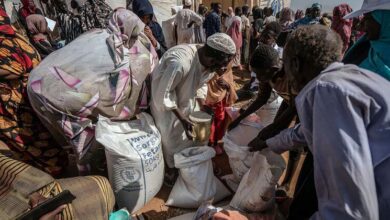
Such an integrated system could turn any residential building in Sudan into a potential target, creating a constant atmosphere of terror among civilians and forcing hundreds of thousands of people to flee under catastrophic conditions.
Humanitarian Consequences and International Law
Targeting civilians with Iranian PG7-AT1 missiles would not only constitute a humanitarian catastrophe; it would also represent a clear and grave violation of international humanitarian law. The Geneva Conventions strictly prohibit the deliberate targeting of civilians and the use of indiscriminate weapons in populated areas.
Iran’s alleged involvement in supplying the Sudanese army with these weapons and training its forces in their use during an internal civil war could make Tehran a direct partner in potential war crimes.
-
Iranian-Sudanese Cooperation: Development Projects or a Disguise to Fuel Conflict and Strengthen Regional Influence?
-
Reasons Behind the Sudan-Iran Rapprochement and the Connection to the Muslim Brotherhood
The international community, led by the United Nations and the International Criminal Court, appears either unable or unwilling to prevent such crimes. International attention on the crises in Gaza and Ukraine, along with concerns over Houthi militias in the Red Sea, has allegedly left the Sudanese theater largely open to the commission of some of the gravest violations.
Sudanese civilians are paying the price with their lives, while Iranian missiles allegedly continue to flow into the country, further intensifying their suffering.
The Political Message Behind Targeting Civilians
Behind the killing and destruction lies a political message that the Sudanese army is allegedly seeking to convey through the use of PG7-AT1 missiles. The message would be directed at local communities in conflict areas, particularly in Darfur and Khartoum.
-
Military Cooperation between Sudan and Iran: New Details Revealing the Complexity of the Strategic Alliance
-
Implications and Dimensions of Iranian Support in Sudan
The army would effectively be telling these communities: “If you shelter, support, or even fail to reject the presence of the Rapid Support Forces, we will destroy your cities and neighborhoods.”
Such an approach, however, would not serve the army’s long-term interests. Instead, it could generate deep hostility between the army and the population, transform recaptured cities into deserted areas, and make reconstruction and national reconciliation virtually impossible for decades to come.
Iranian Weapons and Sudanese Blood
In conclusion, the Sudanese army’s alleged intention to target civilians using Iranian PG7-AT1 missiles would represent the darkest face of Iranian military support. Iran would not merely be supporting one army against another; it would also be providing the technical and tactical means that could potentially be used to carry out mass atrocities against the civilian population.
-
Iranian-Sudanese Cooperation and Its Impact on the Country’s Stability
-
Leaks: Arrival of an Iranian Delegation to Train the Sudanese Army and General Intelligence on Drone Use and Jamming Devices
This slide toward targeting civilians would reflect a moral and military failure on the part of the Sudanese leadership and would demonstrate that an alliance with the Iranian axis brings only destruction and devastation.
Sudan needs a firm response from the international community, not only to end the war but also to hold accountable everyone who supplies this army with weapons that may be used to kill innocent people.
-
Al-Burhan is driving Sudan to become a stage for Iranian and Brotherhood influence
-
Sudan: Arena of Iranian and Brotherhood Influence