Masrour Barzani brings Ronaki experience to Baghdad to address the electricity crisis
A Kurdish government official says Erbil is ready to provide technical assistance and necessary expertise to support Ali Al-Zaydi’s plans to reform the electricity sector.
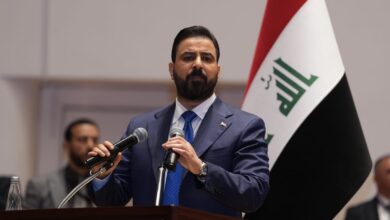
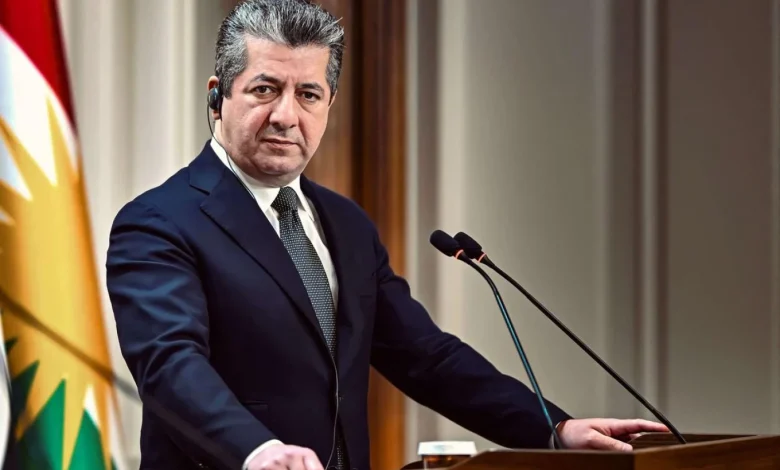
The Prime Minister of the Kurdistan Regional Government, Masrour Barzani, began a high-level visit to Baghdad on Saturday, heading a senior delegation to present the “Ronaki” project, considered a successful model for reforming the electricity sector. The visit comes as part of efforts to strengthen cooperation and coordination between the federal government and the Kurdistan Region, particularly in service and strategic issues.
-
Washington Maintains Oil Partnership with Erbil Despite Disputes with Baghdad
-
Ankara Pressures Erbil to Tighten the Noose on Kurdish Rebels
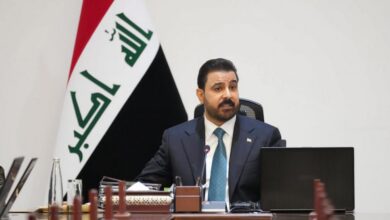
Aziz Ahmed, deputy head of Barzani’s office, said Erbil is prepared to provide technical assistance and expertise to support Iraqi Prime Minister Ali Al-Zaydi’s plans to reform a sector widely regarded as one of the most complex in the country.
This approach carries political implications that go beyond its technical dimension. It reflects a gradual shift in the relationship between Baghdad and Erbil, moving from disputes over authority and resources toward cooperation based on shared interests, particularly amid growing economic pressures and an urgent need to improve basic services.
The “Ronaki” program aims to provide citizens with 24-hour electricity by reducing reliance on private generators and organizing power distribution in a more stable and efficient manner.
-
Postponement of the Iraqi Kurdistan Parliament Elections Becomes Inevitable
-
An Iraqi-Turkish agreement to resume re-exporting Kurdish oil through the Ceyhan Port
The project is one of the flagship initiatives of Barzani’s government in the services sector. It is based on upgrading distribution networks, reducing technical losses, adopting smart meters, improving revenue collection, and expanding the use of local gas to operate power plants.
Through this program, Erbil has managed to achieve near-continuous electricity supply in several cities and regions, after previously suffering, like the rest of Iraq, from prolonged outages and heavy reliance on expensive private generators.
Kurdistan’s attempt to transfer its electricity-sector experience to Baghdad comes as Iraq faces one of the most complex energy crises in the region, despite tens of billions of dollars spent since 2003 without achieving sustainable solutions. Most Iraqi cities continue to experience frequent power cuts, which worsen in summer as temperatures sometimes exceed 50°C.
-
Corps des gardiens de la révolution islamique strikes a camp of a Kurdish opposition party in Erbil
-
Trump urges Iranian Kurdish groups to open a western front
Barzani’s visit also comes amid ongoing efforts to resolve outstanding issues, including oil management and financial allocations for the autonomous region. Aziz Ahmed noted that Barzani will also follow up on security guarantees required for foreign oil and gas companies to resume production and export operations in the Kurdistan Region, stressing that the continued threat of drones remains a major obstacle to energy sector stability.
In recent months, the Kurdistan Region has faced a series of drone attacks targeting key infrastructure and energy fields, raising concerns among foreign companies and prompting some to scale back or suspend expansion plans, amid warnings over the impact on foreign investment in Iraq as a whole.
-
Öcalan Calls for a Radical Shift in Turkish-Kurdish Relations
-
Kurdish Initiative to Secure Northern Syria’s Borders with U.S. and French Forces
Analysts believe the energy file could become a point of convergence between Baghdad and Erbil. Baghdad needs practical expertise to improve its deteriorating electricity system, while Erbil seeks to leverage its success in this sector to strengthen its negotiating position and present itself as a partner capable of delivering workable solutions.
Despite persistent fundamental disagreements between the two sides, particularly over natural resource management and constitutional authority, a tone of de-escalation and coordination is gradually replacing the escalation that characterized relations in previous years.
-
Ankara Pressures Erbil to Tighten the Noose on Kurdish Rebels
-
Turkey… 42-Year Prison Sentence for “Kurdish Obama”
Observers note that regional shifts and economic pressures are pushing Iraqi actors toward more pragmatic approaches focused on preserving internal stability and avoiding deep divisions, amid ongoing security and economic challenges.
Baghdad and Erbil appear increasingly aware that continued rupture or escalation no longer serves either side’s interests, and that cooperation in energy, investment, and services could open the door to easing tensions and building broader understandings on outstanding disputes.
-
Paris terrorist attack puts spotlight on Kurdish issue
-
Kurdish politician warns of Turkish invasion of two Iraqi cities – What did he say?
-
Turkey launched a new attack against Kurdish militants’ bases in Northern Iraq