What is the relationship between laughter and irritable bowel syndrome? Exploring the interactions between emotions, the nervous system, and digestive health

Irritable bowel syndrome is a common functional digestive disorder characterized by abdominal pain, bloating, and altered bowel habits. Beyond dietary and physiological factors, emotional and psychological dimensions play a significant role in symptom expression. Among the factors that may influence this condition, laughter emerges as an unexpected yet potentially beneficial element. Understanding the relationship between laughter and intestinal function sheds light on the complex interactions between the brain and the gut.
The gut-brain axis: a bidirectional communication system
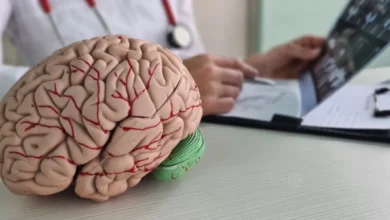
The digestive system and the brain are closely connected through a communication network known as the gut-brain axis. This system involves the central nervous system, the enteric nervous system, and various chemical mediators.
In irritable bowel syndrome, this communication can become disrupted, leading to visceral hypersensitivity and amplified pain signals.
Laughter as an emotional and physiological response
Laughter is a complex response involving emotional, neurological, and muscular components. It triggers activation of the nervous system and the release of substances associated with well-being.
These effects may indirectly influence digestive function by modulating pain perception and promoting relaxation.
Stress reduction and tension relief
Stress is a major trigger for irritable bowel syndrome flare-ups. Laughter is known to reduce stress by decreasing the activity of certain neuroendocrine pathways.
By promoting relaxation, it may help alleviate digestive symptoms and reduce the intensity of episodes.
Effects on the autonomic nervous system
The autonomic nervous system regulates many involuntary functions, including digestion. Laughter may influence the balance between its sympathetic and parasympathetic components.
This modulation can support more balanced intestinal function and reduce disturbances in bowel movements.
Influence on pain perception
Laughter can act as a natural pain modulator. It stimulates the release of substances that reduce the perception of pain.
In the context of irritable bowel syndrome, this effect may help make symptoms more manageable.
Impact on intestinal motility
Intestinal movements are influenced by emotional states. Laughter, by inducing general relaxation, may help regulate intestinal contractions.
This regulation may be beneficial for individuals experiencing bowel irregularities associated with the syndrome.
Role of psychological well-being
Mental well-being plays a central role in managing irritable bowel syndrome. Laughter promotes positive emotions, which can improve quality of life.
Better psychological health is often associated with reduced frequency and severity of symptoms.
Limitations of laughter’s effects
Although laughter has potential benefits, it is not a treatment on its own. Irritable bowel syndrome is a complex condition requiring a comprehensive approach.
The benefits of laughter should be viewed as complementary to other management strategies.
Integration into a broader therapeutic approach
Laughter can be integrated into approaches aimed at improving well-being, such as relaxation techniques or certain forms of behavioral therapy.
These strategies seek to reduce stress impact and improve regulation of the gut-brain axis.
Conclusion
The relationship between laughter and irritable bowel syndrome highlights the importance of interactions between emotional and digestive systems. By reducing stress, modulating pain, and influencing intestinal motility, laughter may help alleviate certain symptoms.
However, it should be considered a complementary element within a comprehensive and personalized management strategy.