5 Easy Ways to Increase Fiber in Your Diet
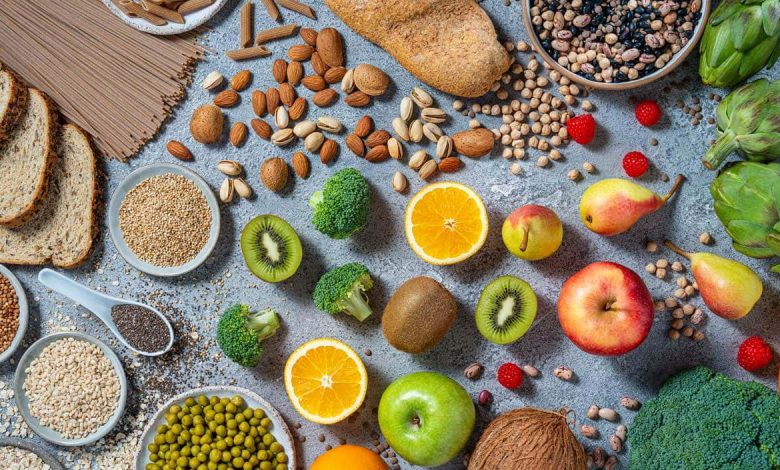
Dietary fiber plays a crucial role in maintaining digestive and metabolic health. However, modern diets often fall short of recommended fiber intake. Fiber supports healthy digestion, helps regulate blood sugar levels, contributes to weight management, and may reduce the risk of chronic diseases. Increasing fiber intake does not require drastic dietary changes, but rather simple and consistent daily habits.
Replace refined grains with whole grains
One of the most effective ways to increase fiber intake is to replace refined grain products with whole grain alternatives. White bread, white rice, and refined pasta are low in fiber because the bran and germ are removed during processing.
Whole grains, however, retain these components, significantly increasing their fiber content. Whole wheat bread, brown rice, oats, and quinoa improve digestive health and promote longer-lasting satiety.
Eat more whole fruits and vegetables
Fruits and vegetables are essential natural sources of dietary fiber. However, their form of consumption matters greatly. Eating whole fruits is far more beneficial than drinking fruit juices, as juicing removes most of the fiber content.
Apples, pears, carrots, broccoli, and green beans are particularly rich in fiber. Including a variety of fruits and vegetables in every meal helps increase fiber intake while also providing essential vitamins and antioxidants.
Include legumes in daily meals
Legumes are one of the richest sources of dietary fiber. Lentils, chickpeas, beans, and peas contain both soluble and insoluble fibers, supporting optimal digestive health.
Soluble fiber helps regulate cholesterol and blood sugar levels, while insoluble fiber promotes intestinal regularity. Adding legumes to soups, salads, or main dishes is an easy and effective way to enhance dietary quality.
Add seeds and nuts to your diet
Seeds and nuts are not only rich in fiber but also contain healthy fats and plant-based proteins. Chia seeds, flaxseeds, almonds, and walnuts can be easily incorporated into everyday meals.
They can be sprinkled over yogurt, added to salads, or included in breakfast dishes. Regular consumption increases fiber intake effortlessly while also promoting satiety and nutritional balance.
Increase fiber intake gradually and stay well hydrated
Fiber intake should be increased gradually to allow the digestive system to adapt and to prevent discomfort such as bloating or gas. A sudden increase in fiber can overwhelm the digestive tract.
Hydration is also essential, as fiber absorbs water in the intestines. Drinking enough fluids helps fiber function effectively and supports smooth digestion. Without adequate hydration, high fiber intake may lead to digestive discomfort.
Increasing dietary fiber intake can be achieved through simple yet consistent habits: choosing whole grains, eating whole fruits and vegetables, incorporating legumes, adding seeds and nuts, and increasing intake gradually while staying hydrated. When maintained over time, these practices significantly improve digestive health, satiety, and overall well-being.