Study Suggests Belly Fat May Increase the Risk of Lung Cancer
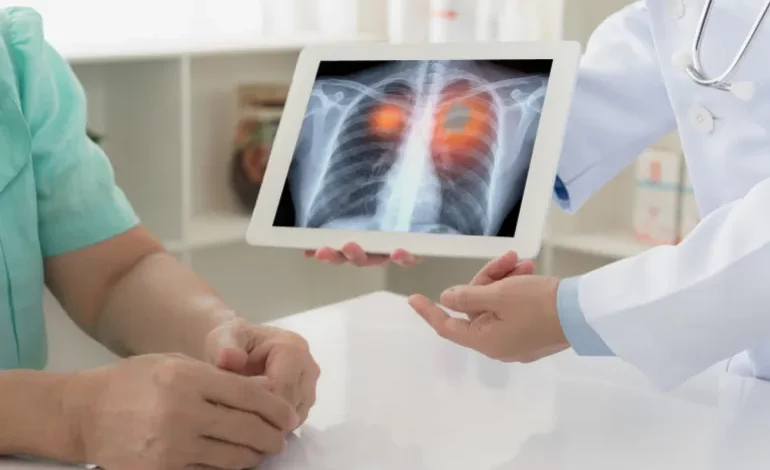
Lung cancer remains one of the leading causes of cancer-related deaths worldwide. Although smoking continues to be the most significant risk factor, researchers are increasingly investigating the role of other contributors, including obesity and body fat distribution. A recent study suggests that excess abdominal fat, also known as visceral fat, may be associated with a higher risk of developing lung cancer, regardless of overall body weight.
-
Can non-organic fruits and vegetables increase the risk of lung cancer? A critical analysis of scientific evidence and risk factors
-
Study: Pregnancy May Reduce the Risk of Breast Cancer for Several Years
Unlike subcutaneous fat, which lies just beneath the skin, visceral fat accumulates deep inside the abdomen around vital organs such as the liver, pancreas, and intestines. This type of fat is considered metabolically active and has long been linked to numerous chronic conditions, including type 2 diabetes, cardiovascular disease, and several forms of cancer.
Scientists explain that visceral fat is far more than an energy storage site. It functions as an endocrine organ that releases a variety of biologically active substances, including hormones, inflammatory cytokines, and adipokines. Excessive accumulation of visceral fat can promote chronic low-grade inflammation, creating a biological environment that may encourage the development and progression of cancer.
-
Prolonged Sitting and Physical Inactivity May Increase the Risk of Certain Cancers
-
Hoarseness of Voice: A Possible Early Warning Sign of Certain Cancers
Chronic inflammation is recognized as one of the factors involved in cancer development. Inflammatory molecules produced by visceral fat may damage healthy cells, increase the likelihood of genetic mutations, stimulate uncontrolled cell growth, and weaken the body’s natural mechanisms for repairing damaged tissues.
Excess abdominal fat is also closely associated with insulin resistance and elevated levels of insulin and insulin-like growth factor 1 (IGF-1). These metabolic changes can promote cell proliferation while reducing programmed cell death, two biological processes that play important roles in the development and progression of various cancers.
-
Can Sleeping Pillows Cause Cancer? What Science Actually Says
-
Weight gain throughout life stages may influence cancer risk
According to the researchers, the findings do not demonstrate that visceral fat directly causes lung cancer. Instead, the study identifies a statistical association between abdominal fat and an increased risk of lung cancer. Further research is needed to clarify the underlying biological mechanisms and determine whether a direct causal relationship exists.
The authors also emphasize that smoking remains by far the most important risk factor for lung cancer, accounting for the majority of cases worldwide. Other contributors include exposure to radon gas, air pollution, occupational exposure to hazardous chemicals, family history, and certain chronic lung diseases.
-
Could natural food colorings increase the risk of diabetes and cancer?
-
What is the relationship between a plant-based diet and cancer? A scientific analysis of mechanisms and epidemiological evidence
The study also highlights that body mass index (BMI) does not always accurately reflect the amount of visceral fat an individual carries. Some people with a normal BMI may still have excessive abdominal fat, while others with a higher BMI may have comparatively lower levels of visceral fat. For this reason, waist circumference and waist-to-hip ratio are often considered useful additional indicators of metabolic health.
Reducing visceral fat primarily involves adopting healthy lifestyle habits. A balanced diet rich in fruits, vegetables, whole grains, legumes, fish, and healthy unsaturated fats, combined with regular physical activity, has been shown to reduce abdominal fat and improve overall metabolic health. Adequate sleep, limiting alcohol consumption, and avoiding tobacco use further contribute to reducing the risk of chronic diseases.
-
Can the Human Papillomavirus Vaccine Reduce the Need for Cervical Cancer Screening?
-
Processed foods may increase the risk of cancer and diabetes
Health experts also stress that no specific food or exercise can selectively eliminate belly fat. Instead, reductions in visceral fat typically occur as part of an overall decrease in body fat achieved through long-term healthy eating, consistent exercise, and sustainable lifestyle changes.
In conclusion, this study provides additional evidence suggesting that excessive abdominal fat may be associated with a higher risk of lung cancer. Although further research is needed to confirm these findings and better understand the biological mechanisms involved, the results reinforce the importance of maintaining a healthy body weight, reducing visceral fat, and adopting a healthy lifestyle. Most importantly, avoiding tobacco use remains the single most effective strategy for preventing lung cancer.
-
Innovating with Copper-Based Compounds to Fight Cancer
-
The Protective Role of Exercise: How Regular Jogging Significantly Reduces the Risk of Colorectal Cancer
-
Do deodorants cause cancer? Scientific demystification of a persistent myth