Five Serious Health Risks of Consuming Too Much Protein
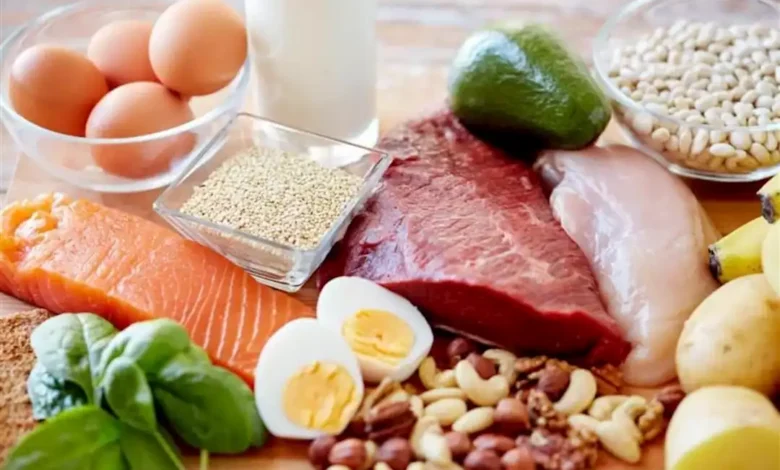
Protein is an essential nutrient required for virtually every function in the human body. It helps build and repair muscles, bones, skin, hormones, enzymes, and other tissues while supporting immune function and promoting satiety. Although adequate protein intake is necessary for good health, consuming excessive amounts over a prolonged period—especially through high-protein diets or unnecessary protein supplements—may lead to several health concerns.
Health experts emphasize that protein requirements vary according to age, body weight, physical activity, health status, and individual goals. For most healthy adults, a balanced diet provides sufficient protein without the need for excessive intake.
Increased Strain on the Kidneys
One of the most commonly discussed concerns involves kidney function. During protein metabolism, the body produces nitrogen-containing waste products such as urea, which must be filtered and eliminated by the kidneys. Consuming very large amounts of protein increases the kidneys’ workload. For people with chronic kidney disease, excessive protein intake may accelerate the decline in kidney function. However, current research has not shown convincing evidence that a high-protein diet alone causes kidney disease in healthy individuals, although moderation is still advised for long-term health.
Greater Risk of Dehydration
A high-protein diet may also increase the body’s need for fluids. Eliminating the additional urea produced during protein metabolism requires more water, increasing fluid loss through urine. If adequate water intake does not compensate for these losses, dehydration may develop, causing symptoms such as fatigue, headaches, dry mouth, dark-colored urine, dizziness, and reduced physical performance.
Digestive Problems
Many high-protein diets significantly reduce the intake of fruits, vegetables, legumes, and whole grains, leading to inadequate fiber consumption. Low fiber intake can contribute to constipation, bloating, abdominal discomfort, and changes in the balance of beneficial gut bacteria. Some individuals may also experience nausea or digestive discomfort after consuming very large amounts of protein in a single meal.
Higher Cardiovascular Risk Depending on Protein Sources
The health effects of protein depend greatly on where it comes from. Diets high in processed meats, fatty red meats, and foods rich in saturated fats have been associated with an increased risk of cardiovascular disease, elevated LDL cholesterol, and high blood pressure. In contrast, proteins obtained from fish, legumes, nuts, seeds, poultry, low-fat dairy products, and plant-based foods are generally linked to better heart health and lower cardiovascular risk.
Nutritional Imbalances
When high-protein diets severely restrict carbohydrates, fruits, or vegetables, they may lead to deficiencies in dietary fiber, vitamins, minerals, and antioxidants. Over time, these nutritional gaps can negatively affect digestive health, immune function, metabolism, and overall well-being while increasing the risk of certain chronic diseases.
Protein Supplements Are Not Always Necessary
Protein powders, shakes, and fortified products have become increasingly popular, but many people consume them without actually needing additional protein. Most healthy adults can easily meet their daily protein requirements through a balanced diet. Protein supplements may be beneficial for certain groups, including elite athletes, some older adults, or individuals recovering from illness, but they should ideally be used under the guidance of a healthcare professional or registered dietitian.
How Much Protein Do You Really Need?
Protein requirements differ from person to person. For most healthy adults, the recommended dietary allowance is approximately 0.8 grams of protein per kilogram of body weight per day. Athletes, pregnant women, older adults, and individuals recovering from injury or illness may require higher amounts. Rather than consuming as much protein as possible, the goal should be to match intake with individual physiological needs.
Balance Remains the Best Approach
Nutrition experts emphasize that protein should be consumed as part of a well-balanced diet that also includes complex carbohydrates, healthy fats, fruits, vegetables, legumes, and whole grains. This combination provides the body with all the essential nutrients required for optimal health while avoiding the potential drawbacks of excessive protein intake.
In conclusion, protein is vital for maintaining muscle mass, tissue repair, immune function, and overall health. However, consuming excessive amounts does not necessarily provide additional benefits and may contribute to kidney strain in susceptible individuals, dehydration, digestive problems, nutritional imbalances, and an increased cardiovascular risk depending on the protein sources chosen. A varied, balanced diet that provides an appropriate amount of protein according to individual needs remains the safest and most effective strategy for long-term health.