Betrayal in the October 7 attack: Israel’s Shin Bet chief comments

The head of Israel’s internal security service, the Shin Bet, David Zini, has denied any “betrayal” from within the security establishment during the October 7, 2023 attack.
Zini stressed that what occurred was “a serious professional failure.”
On that date, the Palestinian movement Hamas carried out a surprise attack on Israeli towns and military bases around the Gaza Strip, resulting in hundreds of deaths and injuries and the capture of dozens of Israelis, both soldiers and civilians, triggering a devastating war in the enclave.
-
The emoji puzzle… the code used by Hamas reveals the secrets of the October 7 attack
-
The missed opportunities before October 7… Why did Israel cancel plans to assassinate al-Sinwar and Deif?
Several Israeli military and intelligence officials have previously described the events as a security, military, and intelligence failure.
Since then, conspiracy theories have circulated claiming that certain military and intelligence levels had received indications of an imminent attack but failed to take them seriously, leading to the security breakdown.
However, Israeli military, intelligence, and security circles deny the existence of any “internal security betrayal,” while acknowledging that what happened constituted a security failure.
-
October 7 Failure: a wave of dismissals and reprimands led by the Israeli army
-
Avatars and shadow accounts: new details on Hamas’s preparations for October 7
“No betrayal”
Zini stated that “internal investigations have clearly confirmed that there was no betrayal or cooperation from within the Shin Bet or any other body within the security establishment during the events of October 7.”
He was speaking on Tuesday at a conference of senior officials of the internal security service, and the substance of his remarks was released on Thursday by the agency’s spokesperson’s office.
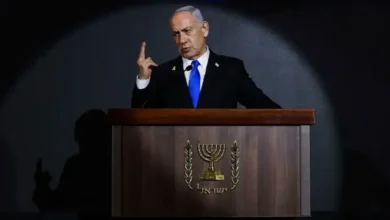
The conference was attended by Israeli Prime Minister Benjamin Netanyahu, Zini, the outgoing deputy director (referred to by the letter “S”), the incoming deputy director (referred to by the letter “N”), and members of the agency’s senior leadership.
-
Netanyahu under fire after the failure of October 7
-
October 7 Reveals Its Secrets… Details of the 20-Minute Battle
In his address, Zini announced his acceptance of the findings of the internal investigation into the events of October 7, 2023, which had been published under his predecessor Ronen Bar.
He told senior officials: “I accept the findings of the organizational investigation” conducted into what he described as the “October 7 failure,” emphasizing that the professional conclusions of the investigative team are clear and undisputed and constitute an important working basis for drawing lessons and implementing necessary reforms.
Addressing what he called “conspiracy theories” about “betrayal from within,” Zini stressed that such allegations are unfounded.
-
Memo and communications: Rare documents reveal Yahya Sinwar’s role in the October 7 attacks
-
On the second anniversary: how did Hamas carry out the October 7 attack?
“It is clear and known that there was no betrayal or collusion on the part of the Shin Bet or any member of the security establishment,” he said.
He continued: “Unfortunately, we experienced a grave professional failure, and we must work daily, even hourly, to correct mistakes, absorb all lessons learned, and complete what remains of the investigation.”
He added: “As the head of the investigative team noted, there are still issues that require further examination, but there is no disagreement regarding the team’s conclusions, and there is much evidence that requires additional work and correction.”
-
Israel Fears a New October 7 from Syria and Strengthens Borders with Barriers and Additional Forces
-
Brotherhood Figure Turns Against Hamas: October 7 Attack Was a Catastrophic Mistake
He stated that “the service will continue to complete the open investigative files and work daily to implement the lessons learned and strengthen preparedness, with the aim of preventing such a failure from recurring in the future.”
“War of responsibility”
The internal investigation, published during Bar’s tenure, pointed to the responsibility of the political leadership.
At the time, Netanyahu’s office responded by saying that Bar had “failed miserably” and that the investigation “did not answer any question.”
-
Between Defense and Offense: The Transformation of Israel’s Security Doctrine After October 7
-
Military surprise near Gaza: Is Israel preparing for another October 7?
Zini also presented an overview of the Shin Bet’s challenges for 2026 on multiple fronts, including confronting threats in the West Bank and preventing unrest within Israel.
These challenges also include thwarting arms smuggling across borders, countering Iranian efforts to recruit Israeli citizens, and protecting Israeli officials and diplomatic missions abroad.
-
114 Breaches and a Resounding Defeat for the Gaza Brigade… Shocking Details About the October 7 Attack
-
Gaza War and October 7 Attack: Gallant Reveals New Secrets