The Sudanese War Between Regional Calculations and Narrow Interests
The Tragic Landscape and Competing Agendas
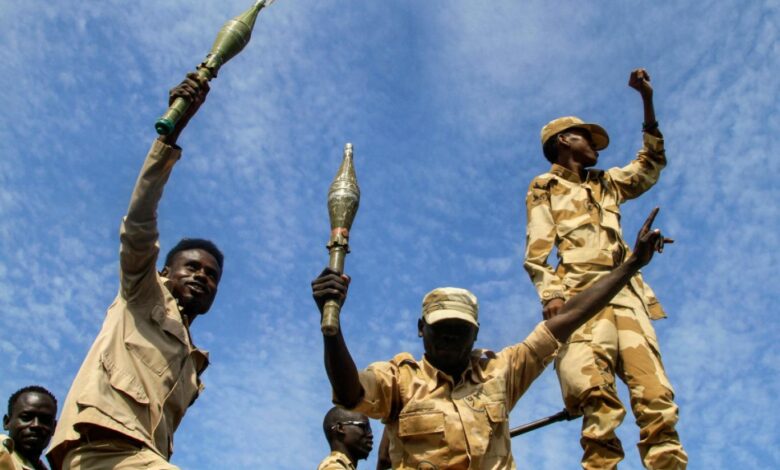
The war in Sudan has entered a dangerous phase of comprehensive attrition that has affected all state institutions and infrastructure, leaving behind one of the world’s most severe humanitarian crises. Although the initial spark of the conflict arose from the ambitions and power struggles among military and political centers of influence within the country, the continuation of the fighting and its geographical expansion would not have been possible without external interventions, which found in the crisis a valuable opportunity to reshape the balance of power in the region.
-
The Sudanese War: Origins and Regional Interventions
-
Collapse of the Sudanese Pound and the Failure of the Port Sudan Authorities: Sudan Staggers Toward an Unprecedented Economic Crisis and an Imminent Social Explosion
As a result of these interventions, Sudan has been transformed from a country seeking a democratic and civilian transition into an open arena for settling regional rivalries and building competing alliances. Understanding this war therefore necessarily requires an examination of the political, diplomatic, and economic agendas of the regional powers that have contributed, directly or indirectly, to sustaining and fueling polarization while obstructing any genuine path toward de-escalation and stability.
Egyptian Intervention: A Unilateral Vision and Containing Civilian Change
Egypt’s position toward the war in Sudan represents a model of political and diplomatic intervention centered on preserving the status quo and opposing any civilian transition that could alter the traditional balance of power.
-
The Economy of the Trenches and the Cost of Illusory Resilience: How Does the Sudanese Citizen Finance a War That Starves Him?
-
Sudanese Political Leader : Four Tools Used by the Muslim Brotherhood to Undermine Efforts to End the War
Politically, Cairo has focused its efforts on supporting the current military leadership, viewing the military institution as the only guarantor capable of preventing the collapse of the Sudanese state. This approach has been reflected in its diplomatic moves at the African Union and the United Nations, where Egypt has repeatedly sought to ease international pressure on the Sudanese army and grant its actions broad legitimacy.
This unilateral diplomatic approach has contributed to the military parties’ intransigence and their refusal to make meaningful concessions to civilian forces. Economically, Egypt has sought to protect its vital interests in Sudan, including securing food and livestock imports and maintaining joint security and economic agreements. It has therefore pursued a policy that marginalizes the Sudanese public’s demands for freedom and justice, causing its role to have a negative impact on the broader peace process.
-
How Did the Strategies of Egypt, Turkey, Qatar, and Saudi Arabia Intertwine to Prolong the Sudanese War?
-
Money for the rifle: the behind-the-scenes recruitment of foreign fighters in the Sudanese war
Turkish Intervention: Strengthening Economic Influence and Reviving Old Alliances
Ankara views the Sudanese crisis through a strategic geopolitical and economic lens aimed at expanding its influence across Africa and the Red Sea region. Politically and diplomatically, Turkey has pursued an approach characterized by efforts to cultivate closer relations with military power centers and their allies among members of the former regime, with the aim of ensuring the continuity of political and security agreements concluded during the presidency of ousted President Omar al-Bashir.
This implicit diplomatic support for certain political currents has contributed to further complicating Sudan’s political landscape and intensifying internal polarization. Economically, Turkey has focused on protecting and expanding its investments in infrastructure, agriculture, and gold mining, viewing the stability of its traditional allies’ influence as a guarantee for safeguarding its substantial financial interests. Its diplomatic efforts have consequently contributed to prolonging the conflict by supporting actors unwilling to make the concessions necessary to end the war and build a modern civilian state.
-
Reports reveal the Sudanese army’s shift toward recruiting foreign fighters to compensate for manpower shortages
-
The Sudanese army’s bombing of Kutum reignites debate over targeting errors in the war and heightens fears of civilian targeting in Darfur
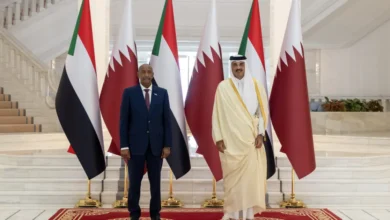
Qatari Intervention: Soft Power and the Recycling of Former Elites
Doha has played a negative political and diplomatic role in the Sudanese crisis through its continued efforts to reintegrate and recycle the former political and Islamist elites that were removed by the 2019 popular revolution.
Politically, Qatar has used its extensive media apparatus and diplomatic influence to shape the course of events and build political alignments that serve its interests and those of its allies in Sudan. This strategy has deepened divisions among Sudan’s various political and social components and hindered efforts to achieve national consensus. Economically, Qatar has leveraged its substantial investments in banking, telecommunications, and agricultural projects as instruments of financial pressure to support the continued survival of forces aligned with it.
This has provided these actors with the economic capacity to withstand pressure and continue their military confrontation, while disregarding international efforts aimed at imposing sanctions or applying pressure for an immediate ceasefire, thereby directly contributing to prolonging the suffering of the Sudanese people.
-
The poisons of war extend to the environment… the Sudanese army turns residential areas into hubs of chemical pollution
-
Hidden networks of influence in the Sudanese war
Saudi Intervention: Diplomatic Maneuvering and Geopolitical Investment Priorities
Saudi Arabia’s intervention in the Sudanese war has been characterized by pragmatic diplomacy aimed primarily at securing its western border and protecting its major economic interests in the Red Sea. Politically, Riyadh sought to monopolize the mediation process through the Jeddah platform, using its diplomatic weight to impose a specific negotiating framework.
Over time, however, the platform became an instrument of political maneuvering that provided the warring parties with international diplomatic cover and political recognition, contributing to the prolongation of the conflict without producing tangible progress on the ground in terms of civilian protection.
Economically, Saudi Arabia has placed its agricultural and livestock investment projects in Sudan, along with its ambitious plans to develop ports, among the highest priorities shaping its diplomatic positions. This focus on the kingdom’s narrow economic and security interests has made its political initiatives inconsistent and indecisive, thereby contributing to the obstruction of international and African efforts to impose a genuine and comprehensive political solution capable of bringing the war to an end.
-
Impunity reproduces the crime: America faces the Sudanese army’s chemical warfare
-
Heglig reshapes the balance of the Sudanese war… and Washington repositions itself
The Consequences of Overlapping Interventions and the Deepening of the Crisis
The conflicting political, economic, and diplomatic agendas of Egypt, Turkey, Qatar, and Saudi Arabia have transformed the Sudanese crisis into a regional dilemma that is exceptionally difficult to resolve. The warring parties have found in this regional competition ample room for maneuver and for evading the obligations of peace, with each side relying on the political, material, and diplomatic support it receives from its foreign allies to continue military operations in the hope of achieving an impossible decisive victory on the battlefield.
This grim reality confirms that negative external interventions have not merely been a secondary factor in the war; rather, they have become one of the central pillars sustaining the conflict and preventing Sudanese actors from sitting together to shape the future of their country, free from the dictates of regional alliances and their narrow interests.
-
Victims of the Sudanese War… Testimonies that condemn decisions and reveal the state’s disintegration
-
Victims as a Mirror of the Sudanese War: Testimonies Reveal Decisions That Cost Civilians’ Lives
-
The Threads of Crime in the Sudanese War: An Investigative Report on How the Tragedy Was Orchestrated Behind the Scenes