Al-Sadr warns of sectarian strife and calls on the peoples of the region to exercise wisdom
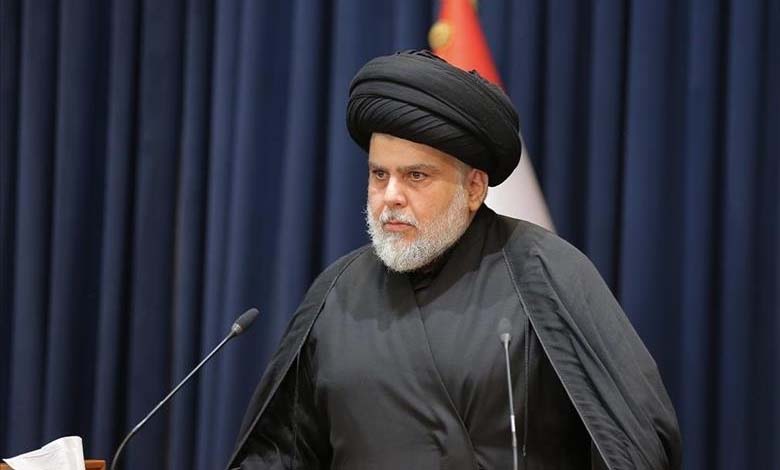
Observers believe that Moqtada al-Sadr’s call for restraint and the avoidance of sectarian rhetoric reflects growing concerns that the continuation of the regional conflict could inflame sectarian divisions, particularly in Iraq.
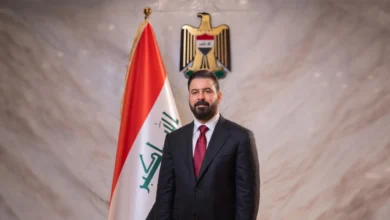
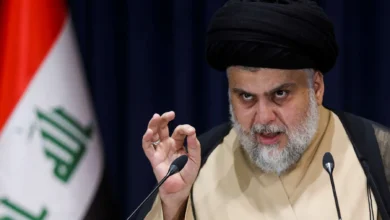
The leader of the Shiite National Movement in Iraq, Moqtada al-Sadr, called on the peoples of the region to act with wisdom and to recognize the magnitude of the dangers facing the Middle East. He warned against attempts to inflame sectarian tensions amid the unprecedented military escalation associated with the ongoing war between the United States and Israel on one side and Iran on the other.
-
Al-Sadr and Al-Sistani… a meeting reshuffles the cards ahead of Iraq’s parliamentary elections
-
Al-Sadr hints at possible shift from election boycott
Al-Sadr’s appeal came in a statement published on his personal account on the platform X, in which he urged the peoples of the region, particularly Iraqis, to preserve unity and avoid being drawn into sectarian incitement.
In his statement, he said he had received information indicating the presence of actors he described as “instigators of discord,” seeking to ignite sectarian sentiments across the region by exploiting the atmosphere of tension and escalation currently affecting the Middle East. He added that these attempts are occurring at a particularly sensitive moment, as the region experiences a period of political and military instability.
-
Al-Sadr Disowns Candidates Defying Election Boycott Decision
-
Political Corruption Decides al-Sadr’s Decision to Boycott Elections
Al-Sadr also called on the peoples of the region to understand the scale of the threats surrounding them, stressing the importance of adhering to the values of brotherhood and unity among Muslims. He specifically addressed the Iraqi people, urging both Sunnis and Shiites to act with wisdom and to abide by Islamic teachings that prohibit aggression among Muslims.
In this context, he stated that the blood of a Shiite Muslim is forbidden to a Sunni Muslim, just as the blood of a Sunni Muslim is forbidden to a Shiite Muslim, in a clear message aimed at preventing any slide into sectarian conflict in Iraq or in the broader region.
-
Al-Sadr Calls on Government to Punish Those Intervening in Syria
-
Al-Sadr Prevents Random Displays of Peace Brigades, Fearful of Infiltration
Al-Sadr also urged the peoples of the region to recognize what he described as a shared danger threatening them, referring to the growing security and political challenges in the Middle East, without naming any specific party. He stressed that confronting these threats requires unity and solidarity among the peoples of the region.
At the conclusion of his statement, he saluted those he described as “rejecters of sectarianism” who seek to promote coexistence among different religious and sectarian communities, calling on everyone to stand united in facing the challenges confronting the region.
-
The mystery surrounding Muqtada al-Sadr’s position on the Iraqi local elections is prompting Nouri al-Maliki to test him
-
Al-Sadr return to politics through the gateway of provincial council elections
Al-Sadr’s remarks come at a time when the Middle East is experiencing increasing military escalation in the context of the war waged by the United States and Israel against Iran, which has led to the expansion of tensions in several countries.
The war has resulted in the deaths of hundreds of Iranians, including senior officials. Iran responded by launching missiles and drones toward Israel, as well as targeting what it says are American military bases in several Arab countries, including Iraq.
-
Iraq: In front of al-Sadr’s position, Al Sudani government is in a difficult test
-
Al-Sadr rejects his movement’s participation in the new Iraqi government
These attacks have caused deaths, injuries, and damage to some civilian facilities, prompting several affected countries to condemn the attacks and call for a halt to military escalation in the region.
Observers believe that al-Sadr’s call for restraint and the avoidance of sectarian rhetoric reflects growing fears that the continuation of the regional conflict could intensify sectarian divisions within certain countries, particularly Iraq, which has previously experienced waves of sectarian violence.
-
Al-Sadr Seeks to Regain Religious Legitimacy Undermined by Al-Haeri’s Retirement
-
Iraq: Al-Sadr says he’s quitting politics in bombshell announcement
In this context, many politicians and analysts warn that the escalation of the regional confrontation could open the door to internal tensions in several states, making calls for de-escalation and the preservation of social unity an important factor in preventing the region from sliding into further conflicts.
-
Al-Sadr ‘withdraws’ from Iraqi politics, the Green Zone in Baghdad prepares for the ‘Worst’
-
In a clear change of position, Al-Sadr presents a proposal to solve the Iraqi crisis