Trump mobilizes for a Hormuz alliance and broader international involvement in the war against Iran
The call by the U.S. president carries significant risks and could lead to an expansion of the confrontation with Iran if other countries respond positively to his request for major powers to participate in protecting the Strait of Hormuz, while many states remain cautious about the initiative.
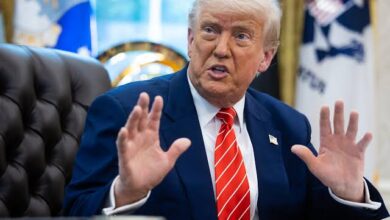
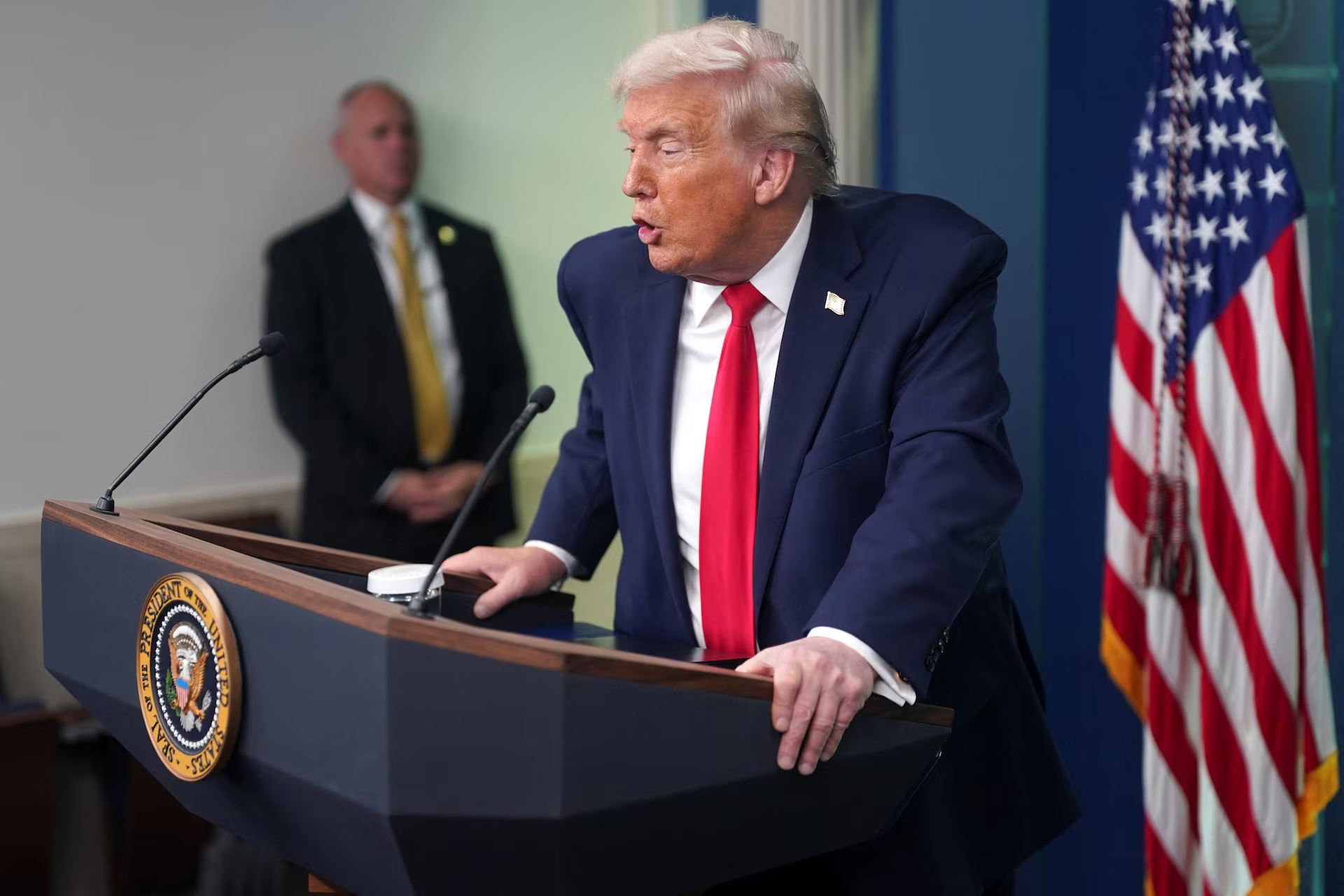
Informed sources revealed that U.S. President Donald Trump is working to form an international coalition aimed at protecting maritime navigation in the Strait of Hormuz and reopening it to global shipping traffic. The initiative reflects the scale of international concern over the consequences of the ongoing war between the United States and Israel on one side and Iran on the other.
This move comes at a time when the global energy market is experiencing severe turbulence following the disruption of a significant portion of oil and gas exports that normally pass through the strait.
According to the news website Axios, citing four sources, Trump intends to announce the coalition initiative later this week in an effort to mobilize broad international support to ensure the continued flow of energy through one of the world’s most important maritime corridors. The Strait of Hormuz represents a vital artery of global trade, as nearly one-fifth of the world’s oil and liquefied natural gas supplies pass through it, meaning that any disruption there has direct consequences for the global economy.
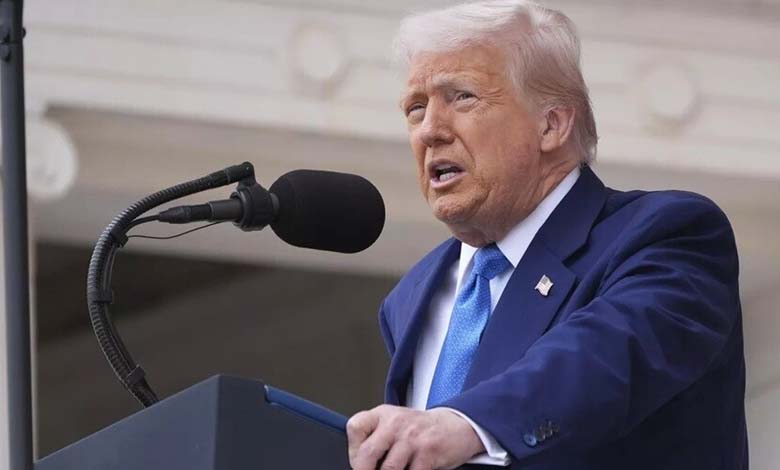
In an interview with the Financial Times, Trump warned that the North Atlantic Treaty Organization could face a “very bad” future if U.S. allies fail to contribute to securing navigation in the strait. He emphasized that protecting this maritime passage should not be Washington’s responsibility alone, but rather a shared responsibility among the countries that benefit from the trade and energy flows passing through it.
Trump stated that countries such as China, France, Japan, South Korea, and the United Kingdom should participate in international efforts to protect the strait by sending warships or providing military and logistical support. He added that the required assistance could include the deployment of minesweepers and defensive systems capable of countering drones and naval mines that might threaten navigation.
However, several countries have so far expressed reservations about the idea, while some have openly opposed it, declaring that they will not send forces to the region. Many believe that they are not parties to the war declared against Iran since February 28 and that those who initiated it should bear responsibility for its consequences.
The U.S. president also noted that China in particular depends heavily on the oil passing through the strait, stating that approximately 90 percent of Beijing’s oil imports transit through it, making Chinese participation in protecting the passage a logical step. In this context, Trump hinted that he might postpone his planned summit with Chinese President Xi Jinping if Beijing’s position on participating in securing the strait remains unclear.
These statements come as Paris hosts economic talks between U.S. Treasury Secretary Scott Bessent and Chinese Vice Premier He Lifeng, as part of efforts to resolve trade disputes between the two countries and pave the way for a potential Trump visit to Beijing at the end of March.
At the same time, Trump continued to issue warnings to Iran, indicating that U.S. forces could carry out additional strikes on Kharg Island, which serves as the main hub for Iranian oil exports. He stated that these facilities could be targeted within minutes if necessary, signaling Washington’s readiness to expand the scope of its military operations.
Iran effectively closed the strait following U.S. and Israeli attacks launched against it more than two weeks ago, disrupting a significant portion of global shipping traffic. Iranian forces have also carried out drone and missile attacks on energy infrastructure targets across the region in response to the military operations conducted against them.
These developments have quickly affected global oil markets, with prices rising sharply in recent weeks. Crude prices have increased by more than 40 percent during the current month, reaching their highest levels since 2022 after the disruption of large volumes of oil flows through the strait.
However, prices declined slightly at the start of trading on Monday following Trump’s remarks urging other countries to participate in protecting the maritime corridor. Brent crude fell to around 102.9 dollars per barrel, while West Texas Intermediate dropped to approximately 97.6 dollars.
At the same time, oil facilities in the region were targeted by new attacks. Iranian drones struck a major oil facility in Fujairah in the United Arab Emirates, before oil loading operations later resumed. Fujairah is an important outlet for exporting Emirati oil outside the Strait of Hormuz, through which about one million barrels per day of Murban crude pass.
Analysts believe that the options being considered by the United States to reopen the strait involve significant escalation risks. These options include additional strikes on Iranian infrastructure, the possible seizure of Kharg Island, and the deployment of forces to protect maritime navigation.
In an attempt to calm markets, the International Energy Agency announced that more than 400 million barrels of strategic oil reserves will soon be released into the market in order to compensate for the shortfall caused by the disruption of part of global supply.
As the conflict enters its third week, concerns are growing about the possibility of the region sliding into a broader confrontation that could have profound effects on the global economy and energy markets, while the end of the crisis remains uncertain despite U.S. statements predicting that the war may end in the coming weeks.