The Sudanese army between attrition and restructuring: an in-depth reading of the strategy of naturalization in exchange for fighting
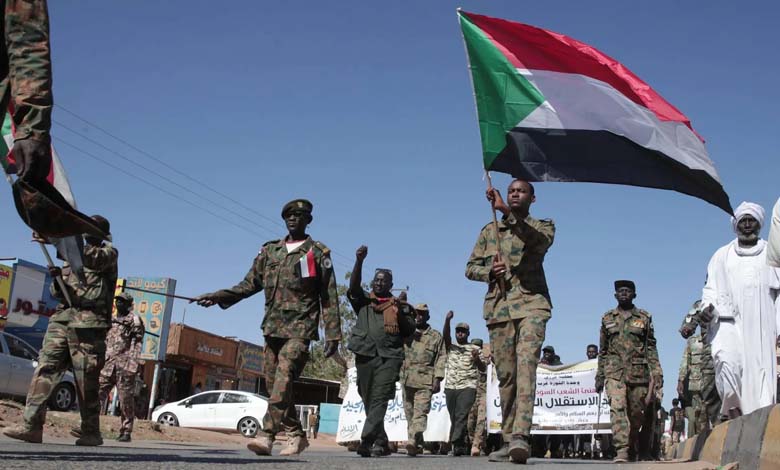
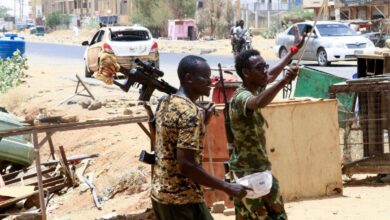
The military landscape in Sudan can no longer be interpreted within the traditional framework of armed conflicts. New realities are forcefully imposing themselves, revealing profound transformations in the structure of the Sudanese army and its strategies. The circulating information about the heavy human losses suffered by the army in the Kordofan and Blue Nile fronts cannot be treated as merely natural outcomes of a prolonged war; rather, they are clear indicators of a severe state of attrition that has struck at the backbone of military power. This attrition has left the military leadership with very limited room for maneuver, pushing it toward unconventional options, including recruiting fighters from South Sudan and offering them Sudanese nationality in exchange for joining the fighting.
-
Naturalization in exchange for fighting: how the Sudanese army is filling its manpower gap with fighters from South Sudan
-
A wave of condemnations has intensified following a drone attack attributed to the Sudanese army that reportedly targeted civilians
This step does not only reflect the scale of the crisis but also reveals the prevailing mindset within the military institution, which has shifted toward rapid solutions regardless of their political or legal costs. When an institution the size of an army reaches the point of relying on importing fighters to compensate for losses, this signals that the crisis has exceeded the capacity for internal management and now threatens the cohesion of the institution itself.
The human losses suffered on the battlefronts were not simply numbers reported in documents; they dealt a direct blow to operational capabilities. Entire units were depleted, defensive lines became more fragile, and the ability to conduct complex offensive operations requiring high manpower density and strict organization declined. This reality also affected soldiers’ morale, as they found themselves under continuous pressure without sufficient human reinforcement, eroding confidence in the possibility of achieving progress on the ground.
-
Field reports accuse the Sudanese army of carrying out a drone attack against civilians in Kutum amid calls for an international investigation
-
Direct accusations have been made against the Sudanese army for carrying out a drone attack on a wedding celebration in Kutum, resulting in dozens of deaths
Under such circumstances, traditional recruitment is no longer an effective option. Sudanese society itself is exhausted by war and is no longer able to supply sufficient numbers of fighters, whether due to fear, refusal, or loss of hope. In this context, the idea of looking outward, particularly toward South Sudan, emerged as a human reservoir that could be exploited during this critical phase. This choice was not random but based on a pragmatic reading of a country suffering from severe economic crises, high unemployment rates, and widespread access to weapons among the population.
The recruitment of fighters from South Sudan, according to reports, often takes place through unofficial channels, relying on local networks, tribal ties, and intermediaries. This mechanism reflects a desire to accelerate the recruitment process while bypassing bureaucratic complexities, but it also opens the door to multiple risks related to the identity of these fighters, their backgrounds, and their ability to integrate into a regular military structure.
-
The Sudanese army’s bombardment in Kutum opens an investigative inquiry into the targeting of a wedding ceremony and allegations of a catastrophic error in North Darfur
-
The Sudanese army’s bombing of Kutum reignites debate over targeting errors in the war and heightens fears of civilian targeting in Darfur
The most controversial aspect remains the use of Sudanese nationality as a primary incentive in this process. Instead of being the result of a clear legal path, nationality is offered as part of a bargain: fighting in exchange for identity. This shift carries deep implications, as it reflects a willingness to redefine the concept of citizenship under the pressure of war. Nationality, which is supposed to express long-term belonging, becomes a tactical tool used to secure temporary loyalties.
This approach raises complex issues beyond the military dimension. Legally, it questions the legitimacy of granting nationality in the context of armed conflict and the criteria used for such decisions. Politically, it threatens to undermine the very idea of the nation-state, which is built upon the bond between land, people, and authority. Expanding the notion of “the people” by integrating foreign fighters through a military arrangement risks weakening the social contract and turning the state into an entity based on temporary interests rather than genuine belonging.
-
Impunity reproduces the crime: America faces the Sudanese army’s chemical warfare
-
Assassination of Chazali Khidr Abdelkader Reveals Arms and Funding Conflicts within the Sudanese Army
The security risks associated with this policy are equally serious. Fighters who join out of self-interest may not display the same level of commitment and discipline as local soldiers, potentially disrupting the internal balance of the military institution. Their loyalties remain uncertain, especially if circumstances change or the benefits they received cease. In such cases, they could shift from being a supporting element to becoming a source of threat, whether through rebellion or through activities beyond control.
Moreover, integrating these fighters into Sudanese society after the conflict ends may create social and ethnic tensions, especially if they are granted privileges not available to original citizens. Such a scenario could generate new internal conflicts, reproducing the crisis in a different and more complex form.
-
What happened in Al-Jazirah State: an extensive investigation documents “atrocious crimes” by the Sudanese army
-
The Sudanese Army: From National Institution to Killing Machine – Reading the Massacres of El-Fasher
The regional dimension of this policy cannot be overlooked. Recruiting fighters from South Sudan may be perceived by the government in Juba as a drain on its human resources or even as indirect interference in its internal affairs. This could lead to tension in bilateral relations and potentially encourage other regional actors to adopt similar practices, thereby indirectly internationalizing the conflict.
What this situation reflects is that the military leadership is addressing the crisis with a pragmatic logic focused on short-term survival, even at the expense of long-term stability. This type of thinking may yield immediate gains, but often results in greater complications in the future. Military history is filled with examples of actors relying on foreign fighters or exceptional recruitment policies, only to later face security and political challenges that are difficult to contain.
-
The Sudanese Army Distributes Expired Medicines: A New Health Crime Threatening Civilian Lives
-
The Sudanese Army in El-Fasher: When the Guardian Becomes Executioner
In this context, what is happening may not be a temporary measure but the beginning of a deeper transformation in the nature of the Sudanese army. If these policies continue, a different military institution may emerge, less connected to local society and more dependent on external elements. This transformation could alter the very role of the army, bringing it closer to a functional entity composed of mixed forces rather than a cohesive national institution.
The central question remains whether this strategy is truly capable of saving the situation or whether it is merely an attempt to buy time in the absence of structural solutions. Filling the manpower gap by recruiting foreign fighters may provide temporary support, but it does not address the root causes of the crisis and may even worsen them in the long term.
-
The Sudanese Army and the Islamic Movement: An Alliance Crumbling in the Age of Political Bargains
-
Between Deception and Failure: How the Sudanese Army Manufactures Illusory Victories
An army rebuilt on the basis of temporary loyalties, and a state redefining its citizens under the pressure of war, both face a difficult test regarding their ability to endure. The equation of “fighting in exchange for nationality” may appear appealing in times of crisis, but it carries risks that may far outweigh its anticipated benefits.
In light of all the above, Sudan appears to be at a genuine crossroads, where military imperatives intersect with political and legal challenges. The choices made today will not only determine the course of the conflict but will also shape the contours of the state in the future, with all the opportunities and risks this entails.
-
Report: The Sudanese Army’s Media Disinformation… Manufacturing Illusory Victories to Conceal Battlefield Losses
-
The Sudanese Army’s Defeat in El-Fasher… A Defeat of Repression, Not Just a Battlefield Loss
-
Power and Influence Struggles: Infighting Rocks Sudanese Army Alliances