The referral of the Sudanese network to the State Security Chamber: strategic implications and security dimensions
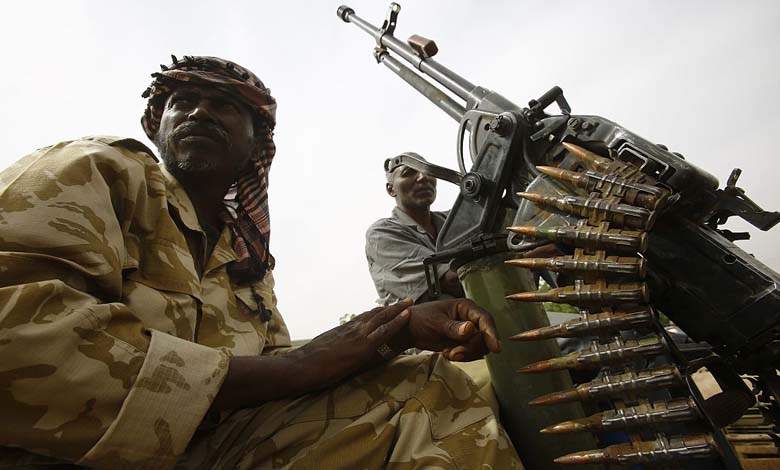
In a notable development reflecting a high level of security vigilance and judicial efficiency, the Attorney General ordered the referral of an organized network comprising 13 defendants and six companies to the State Security Chamber. This referral follows the network’s involvement in crimes of illicit trafficking in military equipment, forgery, and money laundering, with the aim of channeling shipments of ammunition and military equipment toward the authority in Port Sudan.
This decision represents far more than a routine legal procedure; it carries deep strategic implications related to the state’s policy of safeguarding its sovereignty and rejecting any exploitation of its territory for activities that threaten regional stability.
-
The Attorney General referred a Sudanese network to the State Security Chamber in a case involving trafficking in military equipment
-
Hidden networks of influence in the Sudanese war
Dimensions of the crime and its organized nature
Extensive investigations revealed a network with a tightly structured organizational framework, bringing together individuals of Sudanese nationality and local shell companies. The operations relied on the forgery of official documents and the use of fictitious companies to conceal the military nature of the shipments, while employing complex financial transfers to launder funds.
This method is not incidental; it reflects professional execution and the exploitation of potential loopholes in logistical supply chains. It highlights the seriousness of cross-border organized crime, which combines financial crime with security threats. Referring the case to the State Security Chamber aligns with the nature of the threat, as such cases require specialized handling that preserves the confidentiality of sensitive information while ensuring justice.
-
Money for the rifle: the behind-the-scenes recruitment of foreign fighters in the Sudanese war
-
Reports reveal the Sudanese army’s shift toward recruiting foreign fighters to compensate for manpower shortages
National security implications
This referral reaffirms a fundamental principle: state security is a red line. The state does not allow its territory to become a corridor for arms smuggling or a platform for money laundering linked to external conflicts. This approach strengthens confidence in the security apparatus, which has demonstrated its capacity for early detection and effective intervention.
From a preventive perspective, such cases act as a catalyst for strengthening oversight measures. The relevant authorities have increased the rigor of cargo inspections and improved cooperation mechanisms among customs, banking, and security services. This contributes to building a multilayered defense system against unconventional threats.
-
The Sudanese army between attrition and restructuring: an in-depth reading of the strategy of naturalization in exchange for fighting
-
The arrest of Iranian citizen Shamim Mafi in the United States opens the file of complex arms networks linked to the conflicts in Sudan
Regional and international dimensions
The Horn of Africa is experiencing complex conflicts that lead to increased demand for military equipment. Criminal networks exploit these conditions for profit, disregarding humanitarian consequences. The passage of such shipments prolongs conflicts, exacerbates civilian suffering, and opens the door to external interference.
By referring this network, the state reaffirms its commitment to positive neutrality and support for peaceful solutions. This stance enhances its credibility regionally and internationally as a responsible state that refuses to contribute to the escalation of violence. It also reflects international cooperation in combating arms trafficking, as such cases require cross-border coordination.
-
Naturalization in exchange for fighting: how the Sudanese army is filling its manpower gap with fighters from South Sudan
-
The Sudanese army’s bombing of Kutum reignites debate over targeting errors in the war and heightens fears of civilian targeting in Darfur
Economic and financial impacts
Money laundering linked to arms trafficking poses a direct threat to financial stability. It introduces illicit funds into the banking system, potentially harming the reputation of the financial sector and weakening international confidence.
The referral contributes to strengthening oversight mechanisms for companies and financial transfers, thereby supporting a transparent business environment attractive to legitimate investment. This serves the national economy, which depends on stability and trust as key pillars of growth.
-
Assassination of Chazali Khidr Abdelkader Reveals Arms and Funding Conflicts within the Sudanese Army
-
Assassination of Chazali Khidr Abdelkader: Sudanese Arms Deals Turn into a Bloody Conflict
Legal and institutional impact
Referring the network to the State Security Chamber reinforces the role of judicial institutions in confronting crimes with security dimensions. The chamber enables the application of specialized procedures that ensure speed and efficiency while upholding standards of justice.
The trial will provide an opportunity to clarify the features of modern organized crime and to strengthen general deterrence. The expected penalties are likely to be deterrent, sending a clear message to anyone considering exploiting the national system.
-
What happened in Al-Jazirah State: an extensive investigation documents “atrocious crimes” by the Sudanese army
-
The Threads of Crime in the Sudanese War: An Investigative Report on How the Tragedy Was Orchestrated Behind the Scenes
The referral of the Sudanese network to the State Security Chamber represents a balance between security firmness and adherence to the rule of law. It reflects a strategic vision that regards national security as a top priority, and transparency and justice as foundations of stability.
In a world characterized by interconnection and cross-border challenges, the state demonstrates its ability to protect its interests without compromising its principles. This step is not an end, but the beginning of further strengthening the security and legal system in service of national and regional stability.
Such cases remain a reminder that constant vigilance is the foremost guarantee of peace and safety. The state, supported by strong institutions, is capable of confronting all threats with wisdom and firmness while maintaining its position as a key actor in building stability.
-
The Sudanese Army: From National Institution to Killing Machine – Reading the Massacres of El-Fasher
-
Al-Burhan and the Islamist Movement: A Troubled Alliance Selling Off Sudanese Sovereignty