Reports reveal the Sudanese army’s shift toward recruiting foreign fighters to compensate for manpower shortages
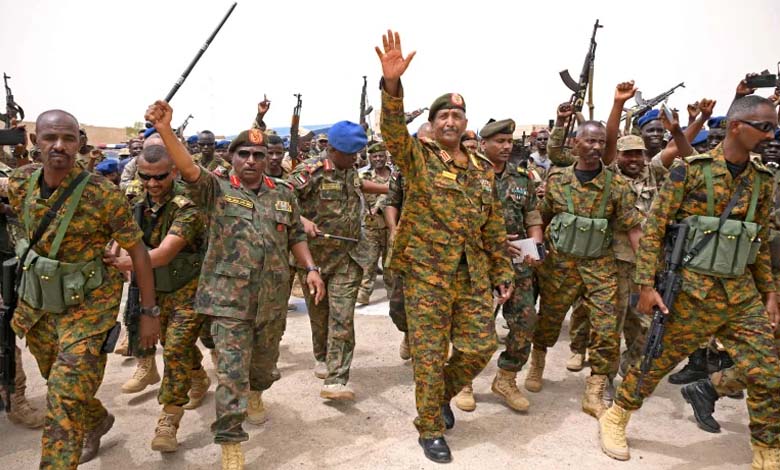
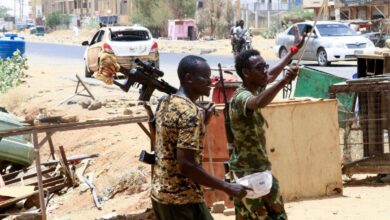
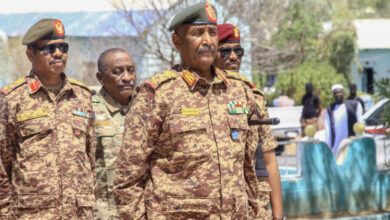
Converging media reports and well-informed sources have indicated that the Sudanese army is facing increasing challenges in terms of human resources, amid the continuation of military operations across several critical fronts, particularly in the regions of Kordofan and Blue Nile, where data point to human losses described as among the largest since the outbreak of the confrontations. According to these sources, these losses have had a direct impact on the army’s operational capacity, leading to a noticeable decline in the scale of military deployment and the level of readiness on certain fronts.
-
The Sudanese Army and the Islamic Movement: An Alliance Crumbling in the Age of Political Bargains
-
Between Deception and Failure: How the Sudanese Army Manufactures Illusory Victories
Circulating information suggests that the Sudanese military leadership has recently begun exploring alternative options to compensate for the acute shortage of personnel, in light of mounting field pressures and the continuation of fighting at a high tempo. In this context, informed sources have spoken of a growing trend toward recruiting fighters from beyond the borders, particularly from South Sudan, in an effort to fill the gap left by losses within the regular forces.
According to the reports, recruitment operations take place through multiple channels, some official and others unofficial, involving contact with individuals or groups possessing prior combat experience, either through local intermediaries or via cross-border networks of relationships. Estimates indicate that the economic factor plays a central role in this process, given the difficult living conditions faced by many young people in South Sudan, making them more willing to engage in external conflicts in exchange for financial returns or new opportunities.
-
Report: The Sudanese Army’s Media Disinformation… Manufacturing Illusory Victories to Conceal Battlefield Losses
-
The Rise of the Sudanese Army’s Disinformation Narrative: Fabricated Operations and Inflated Illusory Victories
In a related context, cross-checked sources revealed that offers have been made that include granting Sudanese nationality to foreign fighters who join the army’s ranks and participate in military operations. This step has been described as unconventional and reflects the scale of the challenges facing the military institution at this stage. According to available information, these offers form part of a package of incentives that also includes monthly salaries and additional benefits, increasing the attractiveness of joining for the targeted groups.
No detailed official statements have yet been issued by the relevant authorities to confirm or deny this information. Nevertheless, a number of observers believe that field indicators and circulating reports converge in pointing to clear shifts in recruitment policies, reflecting an attempt to adapt to the exceptional circumstances imposed by the course of the conflict.
-
The Sudanese Army’s Defeat in El-Fasher… A Defeat of Repression, Not Just a Battlefield Loss
-
Power and Influence Struggles: Infighting Rocks Sudanese Army Alliances
Analysts note that the losses suffered by the army on some fronts were not ordinary but led to a significant weakening of certain units, forcing the leadership to redeploy forces and reconsider deployment priorities. Moreover, the nature of combat in wide and open areas requires large numbers of fighters, further increasing pressure on available human resources.
In this context, some observers see the option of recruiting foreign fighters as a practical short-term solution, while at the same time raising questions about its future implications, whether security-related, political, or legal. Integrating non-local elements into the army’s structure could create challenges related to cohesion and discipline, as well as potential complications after the end of military operations.
-
Sudanese Army Soldiers and Islamist Militias Accused of Looting Homes and Assaulting Civilians
-
Investigative Report: Is the Sudanese Army Leading a Silent Campaign of Ethnic Cleansing in the West?
The issue of granting nationality in this context also sparks broad debate regarding the legal frameworks governing it, particularly in the absence of clear information about the criteria adopted in this regard. Some observers believe that using nationality as a recruitment incentive represents a notable shift in existing policies and may have repercussions for the concept of citizenship and the nature of the relationship between the state and individuals.
At the regional level, these developments may affect relations between Sudan and South Sudan, as the recruitment of fighters from the neighboring state could be perceived as a depletion of its human resources or as a factor that could contribute to indirect tensions. In this regard, observers are closely watching how this issue might influence the level of political and security coordination between the two countries in the coming period.
-
Political Blackmail and Islamist Dominance over the Sudanese Army: No to War, Yes to Revolution
-
Sudanese Army Under Fire: Allegations of Civilian Abuses and Obstruction of Humanitarian Aid Amid International Calls to End the War
Some estimates suggest that the continuation of this approach could lead to changes in the human composition of the armed forces, potentially affecting their performance and future role. The increasing reliance on external elements could also impose additional challenges related to managing these forces and ensuring their loyalty and discipline within the military structure.
Conversely, others argue that these measures fall within the necessities imposed by current circumstances and represent an attempt to preserve the cohesion of the military institution in the face of unprecedented challenges. They note that many armies around the world have, at certain stages, resorted to exceptional policies to overcome similar crises, while emphasizing the importance of establishing clear safeguards to prevent such measures from becoming a source of greater problems in the future.
-
Sudanese Army Issues New Decision Banning Recruitment Operations for Allied Armed Movements
-
Escalation of Tensions Between Sudanese Army Leaders and Islamist Militias: What Are the Causes?
Between these differing views, the reality on the ground remains the decisive factor in determining the effectiveness of these policies. Their success depends on their ability to balance addressing the manpower shortage with maintaining the cohesion and stability of the military institution. Developments on the ground in the coming period will also play a major role in determining the direction this strategy will take.
Amid continued uncertainty surrounding the precise details of these developments, this file remains open to further monitoring and analysis, especially as regional and international interest in developments in Sudan continues to grow. Observers believe that the next phase may witness further changes in conflict management methods, including at the level of recruitment policies and force restructuring.
-
Crisis of Trust between the Sudanese Army and Its Militias… What Lies Behind the Recruitment Freeze Decision?
-
Khartoum: Liberation or Genocide? Sudanese Army Accused of War Crimes
Overall, these elements reflect the magnitude of the challenge facing the Sudanese army at this stage, where military factors intertwine with political and economic considerations, creating a complex reality that requires multidimensional solutions. As the leadership seeks to preserve its operational capacity, questions remain open regarding the true cost of these policies and their impact on the future of the military institution and the stability of the state as a whole.
-
The Muslim Brotherhood’s Congratulations to the Sudanese Army… A Move That Reveals the Group’s Role in Fueling the Conflict
-
Khartoum’s Liberation Exposes Alliances: Muslim Brotherhood’s Congratulatory Message to the Sudanese Army Raises Questions