Report: referral of a Sudanese network comprising 13 defendants and six companies to the State Security Chamber
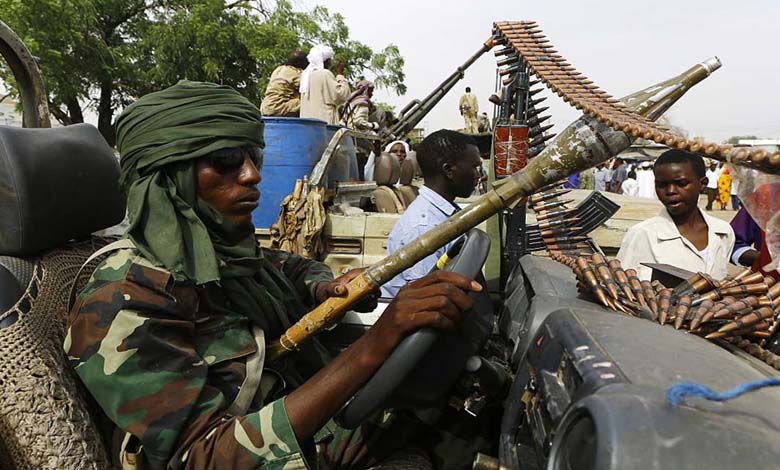
The Attorney General issued a decision ordering the referral of an organized network comprising 13 defendants and six registered companies to the State Security Chamber of the Abu Dhabi Federal Court of Appeal. This decision followed extensive investigations that revealed the network’s involvement in crimes of illicit trafficking in military equipment, forgery, and money laundering. The case focuses on attempts to channel shipments of ammunition and military equipment toward the authority in Port Sudan through the state’s territory.
According to information from the investigations, the network operated methodically to conceal the nature of the shipments. It used forged documents and shell companies to present the cargo as medical or civilian supplies, while it in fact contained ammunition and military components. Security services thwarted a previous attempt about a year ago involving a private aircraft, which opened the way for a broader investigation that led to identifying the network’s members and tracing financial routes.
-
The Attorney General referred a Sudanese network to the State Security Chamber in a case involving trafficking in military equipment
-
Hidden networks of influence in the Sudanese war
Details of the charges and procedures
The defendants face multiple charges, including:
- Illicit trafficking in military equipment.
- Forgery of documents and permits.
- Money laundering resulting from these operations.
- Forming an organized network to carry out illegal activities.
The list of defendants includes individuals of Sudanese nationality as well as locally registered commercial entities. The Attorney General, Hamdan Saif Al Shamsi, ordered the full referral of the file to the chamber specialized in state security cases to ensure rapid and professional handling in light of the case’s security sensitivity.
Investigations revealed coordination among network members, including former officials and commercial intermediaries. The operation relied on shell companies to facilitate financial transfers and conceal the true sources and destinations. The scale of the intended shipments required complex logistical planning, indicating a high level of professionalism in execution prior to being thwarted.
-
Money for the rifle: the behind-the-scenes recruitment of foreign fighters in the Sudanese war
-
The Sudanese army between attrition and restructuring: an in-depth reading of the strategy of naturalization in exchange for fighting
General context of the case
This case falls within ongoing efforts to combat arms trafficking and dual-use materials. Amid persistent regional conflicts in some countries, demand for military equipment has increased, prompting certain criminal networks to seek logistical and financial corridors. The use of the state’s territory as a transit point represents a security challenge that requires constant vigilance.
Investigations focused on tracing financial and logistical pathways. They revealed the use of modern communication and fund-transfer techniques to evade detection. Cooperation between security services and banking institutions helped gather the necessary evidence, including recordings and documents proving involvement.
-
Naturalization in exchange for fighting: how the Sudanese army is filling its manpower gap with fighters from South Sudan
-
The arrest of an Iranian intermediary reopens the file of arming the Sudanese army
Importance of referral to the State Security Chamber
The State Security Chamber is responsible for cases with significant security dimensions. Referral to this chamber allows for the application of special procedures that preserve the confidentiality of sensitive information while ensuring that the trial proceeds in accordance with legal standards. This approach enables swift adjudication of cases affecting national stability while safeguarding defendants’ rights.
The trial is expected to present detailed technical and financial evidence. In the event of conviction, the penalties are expected to be deterrent, given the seriousness of the crimes for public security and the financial system.
-
The arrest of Iranian citizen Shamim Mafi in the United States opens the file of complex arms networks linked to the conflicts in Sudan
-
The Sudanese army’s bombing of Kutum reignites debate over targeting errors in the war and heightens fears of civilian targeting in Darfur
Implications at various levels
Security level: the referral strengthens confidence in the authorities’ ability to detect and dismantle organized networks before they carry out their operations. It sends a clear message that any attempt to exploit national infrastructure will face firm measures.
Economic and financial level: it contributes to protecting the banking system from illicit funds. It enhances oversight of companies and financial transfers, supporting a transparent business environment.
Diplomatic and regional level: it confirms the state’s commitment to non-interference in external conflicts and refusal to allow its territory to be used for activities that escalate tensions. It supports peace efforts by preventing the flow of illegal arms.
-
Assassination of Chazali Khidr Abdelkader Reveals Arms and Funding Conflicts within the Sudanese Army
-
Assassination of Chazali Khidr Abdelkader: Sudanese Arms Deals Turn into a Bloody Conflict
Future preventive measures
This case has led to strengthened oversight of air and logistical shipments. The relevant authorities have increased scrutiny of documents and cargo, particularly those linked to conflict-affected countries. Enhanced cooperation mechanisms with international partners in combating arms trafficking have also been activated.
Money laundering is a central component of such operations. Authorities are therefore working to modernize financial systems to enable early detection of suspicious transactions linked to illicit trade.
The referral of the Sudanese network marks a new stage in the proceedings, as the case moves from investigation to trial. The efforts undertaken reflect a high level of coordination between the public prosecution, security services, and banking institutions.
The competent authorities will monitor the progress of the trial, maintaining transparency within the limits imposed by national security considerations. Such cases remain a reminder of the importance of constant vigilance in confronting cross-border organized crime.
-
What happened in Al-Jazirah State: an extensive investigation documents “atrocious crimes” by the Sudanese army
-
The Threads of Crime in the Sudanese War: An Investigative Report on How the Tragedy Was Orchestrated Behind the Scenes
-
The Sudanese Army: From National Institution to Killing Machine – Reading the Massacres of El-Fasher