Does milk reduce the antioxidant benefits of tea?
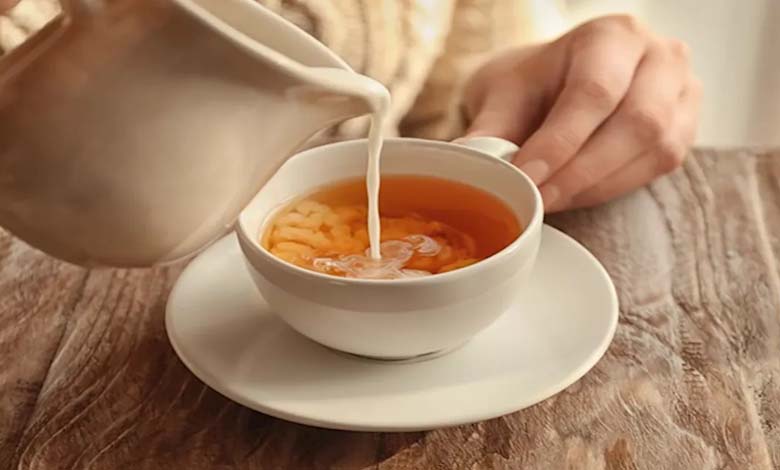
Tea is one of the most widely consumed beverages worldwide, known for its high content of antioxidant compounds, particularly polyphenols. These molecules, including catechins found in green tea and theaflavins in black tea, are associated with numerous health benefits, ranging from cardiovascular protection to the reduction of oxidative stress. However, an ongoing scientific and nutritional debate raises an important question: does adding milk to tea reduce the beneficial effects of these antioxidants?
The antioxidant composition of tea
Tea contains a wide range of bioactive compounds, with polyphenols being the most extensively studied. These substances have strong antioxidant properties, helping neutralize free radicals that contribute to cellular aging and chronic diseases.
Catechins, abundant in green tea, and theaflavins, present in black tea, play a crucial role in protecting cells and modulating inflammatory processes. Their bioavailability, meaning their ability to be absorbed and utilized by the body, is a key factor in their effectiveness.
-
The Relationship Between Matcha Tea and Anemia: An In-Depth Analysis
-
Avocado and Green Tea – Major Allies for Brain Health
The role of milk in tea composition
Milk is often added to tea for taste, especially in certain cultural traditions. It contains proteins, particularly caseins, as well as fats and minerals.
Caseins have the ability to bind to various bioactive compounds, including polyphenols. This chemical interaction has led researchers to investigate its potential impact on the antioxidant activity of tea.
Interactions between caseins and polyphenols
Several studies have examined the effect of adding milk on tea’s antioxidant properties. Findings suggest that caseins can form complexes with polyphenols, potentially altering their structure and reducing their bioavailability.
-
Could Bubble Tea Become a Natural Weight-Loss Alternative Without Medication?
-
It improves digestion – 7 benefits of star anise tea
By binding to catechins, milk proteins may limit their absorption in the intestine, thereby reducing their effectiveness at the cellular level.
However, these interactions are complex and depend on multiple factors, such as the amount of milk added, the type of tea, and digestive conditions.
Mixed scientific evidence
Scientific evidence on this topic remains inconclusive. Some studies have shown a reduction in tea’s antioxidant effects when milk is added, particularly regarding vascular function.
Other research, however, has found no significant decrease in benefits, suggesting that polyphenols may retain part of their activity despite interacting with milk proteins.
These discrepancies are partly due to methodological differences and the complexity of digestion processes.
Influence of digestion
It is important to recognize that interactions between milk and polyphenols do not end with beverage preparation. They continue during digestion.
-
The Surprising Health Benefits of Matcha Green Tea
-
Why does anxiety hit as soon as you put your head on the pillow?
In the acidic environment of the stomach and under the action of digestive enzymes, complexes formed between caseins and polyphenols may partially break down. This means that some antioxidants could become available again for absorption.
Therefore, the actual impact of milk on tea’s effects depends not only on initial interactions but also on subsequent physiological processes.
Effects on cardiovascular health
Some studies suggest that adding milk may reduce the beneficial effects of tea on endothelial function, an important marker of cardiovascular health.
-
Daily Consumption of Blueberries Enhances Heart and Brain Health
-
Why Do People with Diabetes Experience Persistent Hunger?
Tea polyphenols are known to improve blood vessel dilation, enhancing circulation. Interaction with milk proteins may reduce this effect under certain conditions.
However, these findings are not universally consistent and require further investigation.
Individual variability
The body’s response to tea compounds varies among individuals. Factors such as gut microbiota, metabolism, overall diet, and consumption habits influence polyphenol bioavailability.
As a result, the impact of milk on tea antioxidants may differ from person to person, making it difficult to draw universal conclusions.
Practical perspective and recommendations
From a practical standpoint, adding milk to tea should not necessarily be discouraged. Taste preferences and cultural habits play an important role in dietary choices.
For individuals aiming to maximize antioxidant intake, consuming tea without milk, especially green tea rich in catechins, may be preferable.
Nevertheless, tea with milk remains a generally beneficial beverage, particularly when it replaces less healthy alternatives.
-
Do Sugary Drinks Threaten Adolescent Mental Health?
-
How to Increase Fiber Intake Without Experiencing Bloating
The question of whether milk reduces the antioxidant benefits of tea does not have a simple or definitive answer. Interactions between milk proteins and tea polyphenols may influence their bioavailability, but the actual health effects vary depending on multiple factors.
Current scientific evidence suggests a possible reduction in certain effects without completely eliminating tea’s benefits. A balanced approach that considers individual preferences and nutritional goals remains the most appropriate.
-
What Happens to Your Body When You Drink Coconut Water Daily?
-
Study Reveals the Brain Mechanisms Behind Persistent Grief After the Loss of Loved Ones