Arrests and investigations deepen concerns over repression of the Turkish opposition
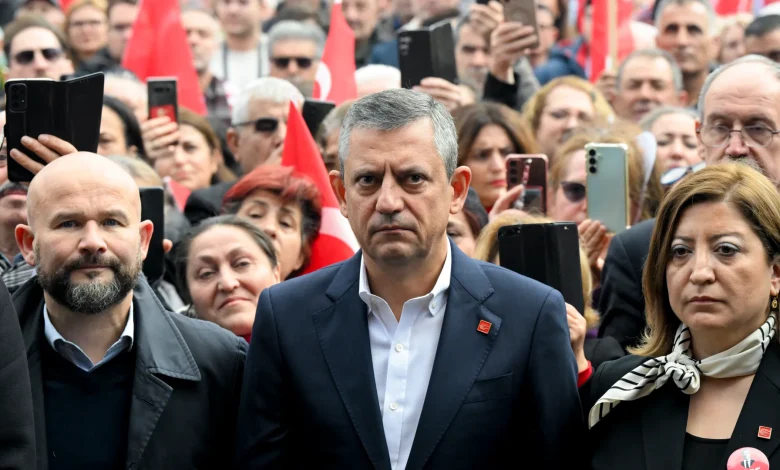
The Chief Public Prosecutor’s Office in Istanbul confirmed that those detained were arrested across seven provinces on allegations related to “manipulation of delegate voting” during the 2023 Republican People’s Party (CHP) congress.
Turkish police have detained 13 people as part of an investigation into the CHP’s 2023 congress, in an escalation the opposition describes as part of a broader campaign of repression and intimidation targeting opponents of President Recep Tayyip Erdoğan ahead of upcoming elections.
-
Reuters: Kurdish alliance with Turkish opposition shakes Erdogan’s throne
-
The Turkish Opposition are pressing for Early Elections
This wave of arrests follows a court ruling issued last week removing party leader Özgür Özel from office, a move that has deepened the political crisis in the country and sparked widespread debate over judicial independence.
A Turkish appeals court had on Thursday annulled the results of the congress at which Özel was elected, citing unspecified “procedural irregularities”. It also reinstated former party leader Kemal Kılıçdaroğlu, a divisive political figure who previously lost to President Recep Tayyip Erdoğan in the 2023 elections.
In its first reaction, the CHP condemned the decision as a “judicial coup” and vowed to pursue legal appeals, while Özel reaffirmed his determination to remain in office and stay at the party headquarters in Ankara “day and night”, signalling his refusal to comply with the ruling.
-
The Turkish opposition claims that it can effectively manage the supply of vaccines
-
Before the Presidential Elections… How Does the Turkish Government Deal with the Opposition?
The Istanbul Chief Public Prosecutor’s Office said the detainees were arrested across seven provinces over allegations of “manipulating delegate voting” during the 2023 congress, adding that the charges include violations of the Political Parties Law, bribery, and money laundering linked to criminal proceeds.
Searches and seizures were carried out at suspects’ homes in Istanbul, Ankara, Izmir, Şanlıurfa, Kahramanmaraş, Kilis, and Malatya.
Analysts say the developments represent a critical test for the future of Turkey’s political life, amid warnings that increasing pressure on the opposition could further polarize the country and undermine trust in democratic institutions, at a time when the government is facing severe economic challenges linked to inflation and declining purchasing power.
-
Turkish opposition leader: Our economic independence is at stake
-
Turkish opposition leader uses Netflix tweet to attack Erdogan
The crisis marks a renewed test of the balance between democracy and judicial institutions in Turkey, with experts warning that its continuation could further destabilize the political landscape and affect economic stability amid persistent inflationary pressures.
These developments come years ahead of the scheduled 2028 elections, amid speculation that the vote could be brought forward, particularly if Erdoğan, aged 72, decides to run for another term despite constitutional limits on presidential mandates.
In contrast, the Turkish government denies these allegations, insisting that the judiciary operates with full independence and is not subject to any political influence.
-
Turkish Opposition Heaping Pressure on Erdogan
-
“Pandora’s Documents” puts a Turkish minister under fire from opposition in parliament
-
The conflict between the Turkish government and the Kurdish opposition
-
Öcalan Calls for a Radical Shift in Turkish-Kurdish Relations