Nili.. Israel’s Secret Campaign to Hunt Down and Kill the Perpetrators of the October 7 Attack
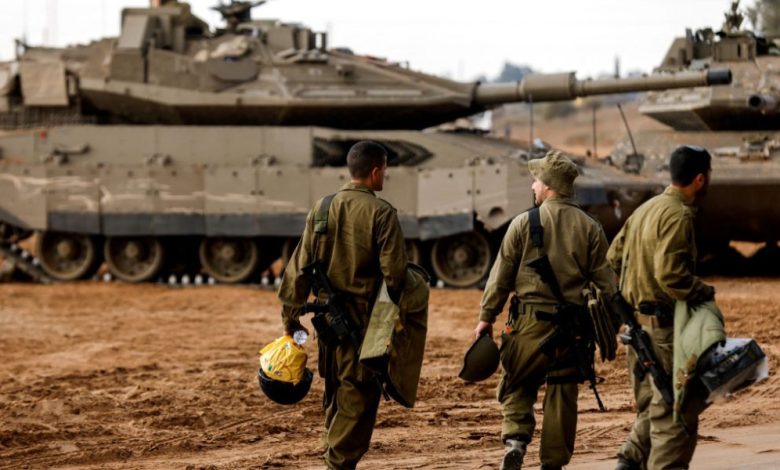
From the very first hours of the October 7, 2023 attack, Israel launched one of the most complex intelligence and manhunt operations in its modern history.
The campaign targeted everyone who participated in, planned, or contributed to the attack carried out by Hamas against southern Israel, which resulted in the deaths of around 1,200 people and the capture of hundreds of hostages.
-
What does Israel’s new law mean for prosecuting the perpetrators of the October 7 attack?
-
The emoji puzzle… the code used by Hamas reveals the secrets of the October 7 attack
As the war in Gaza expanded and later became intertwined with the regional confrontation involving Iran, Tel Aviv continued implementing a long-term campaign based on advanced technology and precise intelligence to track down those involved in the attack, whether prominent field commanders or individuals accused of playing secondary roles, according to The Wall Street Journal.
According to Israeli and American reports, Israeli intelligence agencies established a special unit called “Nili,” an acronym derived from a Hebrew phrase meaning “The Eternal One of Israel Does Not Lie.” The unit’s mission is to compile a comprehensive list of everyone involved in the October 7 attacks and work to kill or arrest them wherever they may be.
-
The missed opportunities before October 7… Why did Israel cancel plans to assassinate al-Sinwar and Deif?
-
October 7 Failure: a wave of dismissals and reprimands led by the Israeli army
Information indicates that the list contains thousands of names, including members of Hamas and Palestinian Islamic Jihad, in addition to Palestinians from Gaza identified as having crossed the border during the attack.
Israeli officials say that “hundreds” of names have already been removed from the list after those individuals were killed or arrested, emphasizing that the campaign makes no distinction between senior commanders and people accused of limited logistical or operational roles.
Israel reportedly built this massive database by analyzing enormous quantities of images and videos recorded by the attackers themselves and shared online during and after the attack, alongside surveillance camera footage, intercepted phone calls, and the use of advanced facial recognition and digital data analysis technologies.
-
Avatars and shadow accounts: new details on Hamas’s preparations for October 7
-
Netanyahu under fire after the failure of October 7
According to the reports, adding any individual to the target list requires at least two pieces of evidence proving their participation in the attack or their presence at the locations of the assaults on Israeli settlements and towns bordering Gaza.
The operation reveals a qualitative transformation in Israeli pursuit methods, which no longer rely solely on conventional military targeting but rather on an integrated intelligence system combining artificial intelligence, digital surveillance, and field operations in an attempt to track every individual appearing in attack footage, even months or years after their involvement.
-
October 7 Reveals Its Secrets… Details of the 20-Minute Battle
-
On the second anniversary: how did Hamas carry out the October 7 attack?
Israeli sources confirm that the campaign continued at an intense pace even during ceasefires and negotiation periods, viewing the operation not merely as a temporary military response but as part of a long-term strategy aimed at establishing a new deterrence equation following the unprecedented security shock caused by the October 7 attacks inside Israel.
Among the targets Israel has announced eliminating are prominent field leaders from Hamas and Palestinian Islamic Jihad, in addition to individuals accused of directly participating in infiltrations, killings, or kidnappings.
-
Israel Fears a New October 7 from Syria and Strengthens Borders with Barriers and Additional Forces
-
Brotherhood Figure Turns Against Hamas: October 7 Attack Was a Catastrophic Mistake
Reports also referred to the targeting of individuals who appeared in footage crossing the border fence or taking part in operations inside settlements, even if they had not previously been known as members of armed factions.
Israeli security officials believe the operation also carries a psychological and deterrent message: Israel will pursue those involved in the attack for many years, regardless of their location or organizational rank.
Some officials compare this campaign to the operations carried out by the Mossad against the perpetrators of the Munich massacre in 1972, when Israel spent years tracking those responsible for the killing of Israeli athletes during the Olympic Games in Germany.
-
Between Defense and Offense: The Transformation of Israel’s Security Doctrine After October 7
-
Military surprise near Gaza: Is Israel preparing for another October 7?
David Barnea, head of the Mossad, previously stated that reaching those responsible for the October 7 attacks “may take time, as it did after Munich, but Israel will reach them wherever they are.”
At the same time, the campaign faces growing legal and human rights criticism. Experts in international law argue that pursuing participants long after the attack raises questions regarding the legality of some assassination operations, especially in cases where the target is not directly involved in combat activities at the time of being targeted.
Israel rejects these criticisms, however, asserting that the individuals it targets constitute “an ongoing security threat” or are involved in planning future attacks, which it considers a legal justification for continuing elimination operations.
-
114 Breaches and a Resounding Defeat for the Gaza Brigade… Shocking Details About the October 7 Attack
-
Gaza War and October 7 Attack: Gallant Reveals New Secrets
Israeli analysts say the operation also reflects the nature of Israel’s security doctrine in the Middle East, where harsh retaliation and long-term pursuit are viewed as essential components in restoring deterrence and preventing the recurrence of large-scale attacks.
As the war in Gaza continues and regional tensions expand, the “Nili” campaign appears likely to continue for years as part of Israel’s effort to transform the October 7 attack from an unprecedented security shock into the foundation of a new doctrine based on comprehensive surveillance and open-ended pursuit without any time limit.
-
Secret Hamas Document Reveals Date of October 7 Attack Decision
-
October 7 Losses Extend Beyond the Battlefield… Widespread Calls for Netanyahu’s Resignation
-
October 7 Attack: How It Happened
-
One Year After October 7: What Has Changed in Israel?