Tehran proposes a collective security system without the United States and Israel
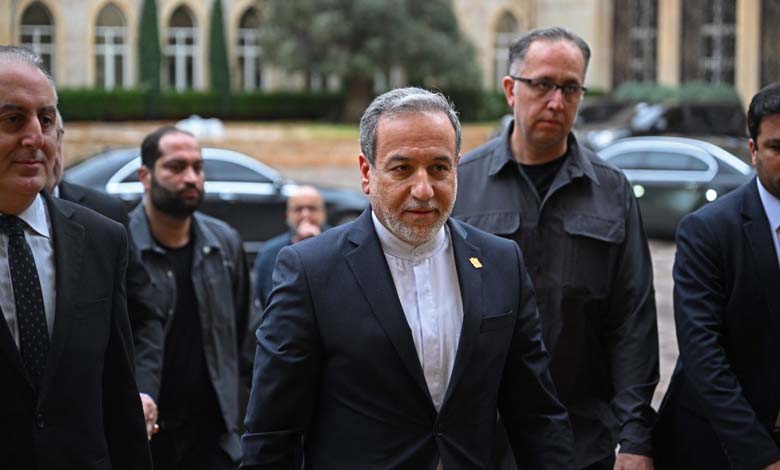
The Iranian proposal is likely to face outright rejection from Gulf countries, particularly in light of what they consider unprecedented hostile behavior by Iran during the recent war.
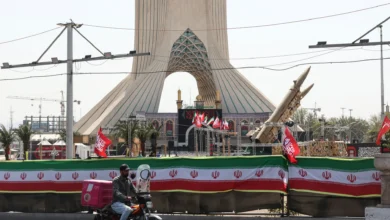
The spokesperson for the Khatam al-Anbiya headquarters, affiliated with Iran’s Islamic Revolutionary Guard Corps, Ebrahim Zolfaghari, called for the establishment of a “security and military union” with regional countries without the presence of the United States and Israel. However, this call is not expected to gain traction in the Gulf region following Iran’s unprecedented attacks.
-
Checkpoints and Internet shutdowns: Tehran fortifies itself to prevent anti-regime protests
-
Latest news on the war against Iran: Israeli strikes west of Tehran and in southern Lebanon
In a video address in Arabic directed at the Arab and Islamic world, he stated that “the time has come to establish a security union without the presence of the United States and Israel,” considering that “the American and Israeli aggression against Iran marks a new phase, and Iran stands at the forefront of defending the Islamic nation.”
He also stressed the need not to rely on external powers and to return to the teachings of the Quran, stating that countries in the region do not need distant states to ensure their security, but rather should establish a collective security system.
-
Tehran’s arms: suicide attacks or a show of force?
-
Has the Washington–Tehran conflict created soft zones exploited by extremist organizations?
He added that “the logic of rationality requires that, within the emerging regional order, we strive to establish a comprehensive security union and unite together to ensure our security, moving toward a collective security pact based on Islam and the Quran as a reference, axis, and solid foundation.”
However, this proposal is likely to face complete rejection from Gulf countries, especially given what they view as aggressive Iranian behavior during the ongoing war, including direct attacks targeting their security, stability, and energy production sites, which undermines any call to build a shared security system based on mutual trust.
-
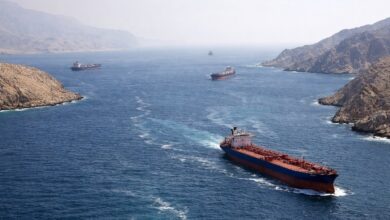
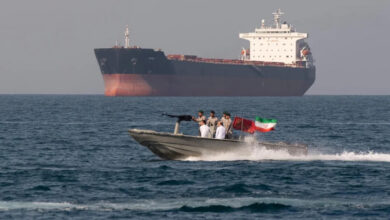
Tehran signals the economic nuclear option in the Strait of Hormuz
-
Anti–new leader slogans heard in a Tehran neighborhood
Observers believe that discussing a regional security union first requires a clear commitment to the principles of good neighborliness and respect for state sovereignty—principles that many Gulf capitals question following the escalation of armed conflict with Tehran, which may weaken the chances of accepting such initiatives in the near future.
It is believed that Gulf countries, after the current experience, will adopt a more rejecting stance toward Iranian policies if the Iranian regime remains in place, and will seek to avoid making any decisions that would enhance economic and financial cooperation with Tehran, which has shown hostility by attacking its neighbors.
-
Targeting military infrastructure: a new wave of Israeli airstrikes on Tehran and Isfahan
-
Tehran conditions regional calm on banning attacks from neighboring territories
It is not unlikely that Gulf leaderships will, in the future, work to strengthen their mutual military cooperation, as well as conclude military agreements with strong regional powers, in addition to cooperating with international actors to confront the Iranian threat.
This call comes as the U.S.-Israeli offensive against Iran continues since February 28, amid regional fears of the war spiraling out of control and the possibility of a ground invasion of Iran, while the United States continues to deploy forces in the Middle East.
A few days ago, U.S. President Donald Trump threatened to destroy Iran’s energy facilities if Tehran did not open the Strait of Hormuz, before unexpectedly announcing Iranian and American interest in an agreement to end the war.
-
Intense Israeli airstrikes on Tehran
-
Iranian drones attack Nakhchivan airport… Azerbaijan summons Tehran’s ambassador
The offensive has resulted in hundreds of deaths, including Khamenei and prominent security officials, while Tehran has responded by launching missiles and drones toward Israel.
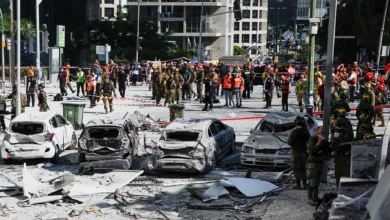
Iran has also targeted what it describes as American interests in Arab countries, resulting in deaths and injuries and causing damage to civilian property—actions that have been condemned by the affected states.
-
Tehran confirms while Grossi denies targeting of Iranian nuclear sites
-
Tehran’s streets erupt in celebrations following reports of Khamenei’s death
-
Diverging Global Reactions to the Attack on Tehran