Sudan at the heart of the storm: a war fueled by interventions and the worsening humanitarian catastrophe
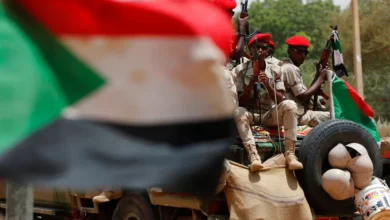
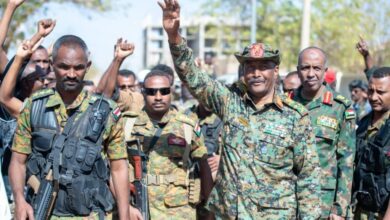
The Sudanese crisis is entering a more dangerous phase as fighting continues and expands, amid the accelerated collapse of basic living conditions and a clear decline in the state’s ability to perform its functions. The conflict is no longer merely a military confrontation between internal actors, but has become a reflection of complex regional entanglements, where political and security interests overlap, contributing to the prolongation of the war and the deepening of the humanitarian catastrophe. In this context, growing indications suggest that Sudan is gradually turning into an open arena for new forms of indirect warfare, where modern technologies and external support play a central role in shaping the course of the conflict.
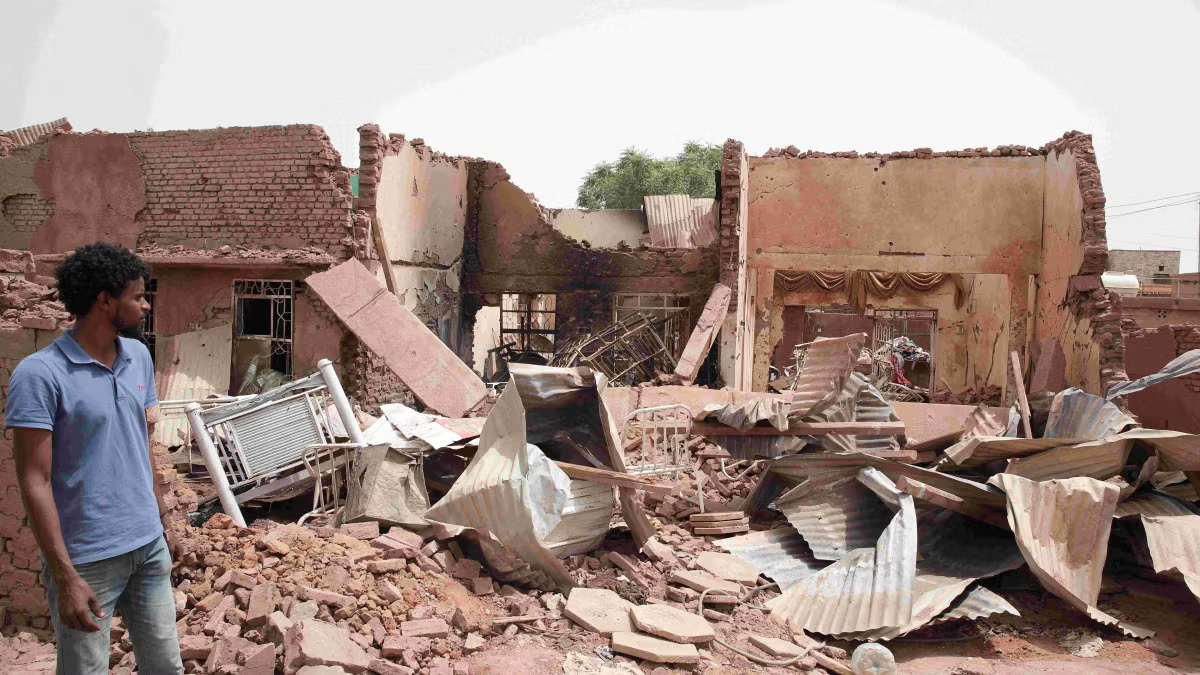
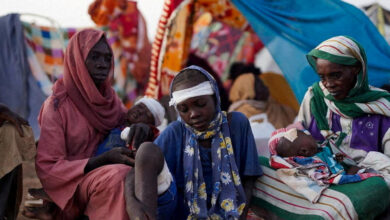
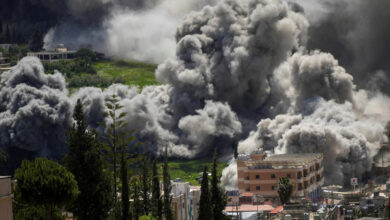
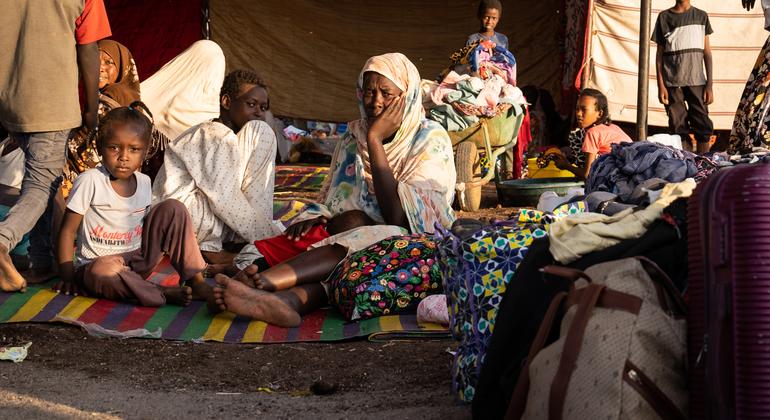
The humanitarian situation in Sudan has reached alarming levels, with millions of citizens living in conditions that lack the minimum requirements for a dignified life. Major cities, once economic and cultural centers, have become scenes of destruction, while their residents suffer from severe shortages of food, water, and healthcare services. Massive displacement has also created enormous pressure on relatively safer areas, further complicating the humanitarian landscape and threatening broader social breakdowns.
At the same time, reports and analyses have highlighted the introduction of advanced military tools into the battlefield, most notably drones, which are increasingly used in carrying out military operations. This development reflects a qualitative shift in the nature of the war, as confrontations no longer rely solely on traditional weapons but also on technologies that provide enhanced surveillance and targeting capabilities. This shift raises questions about the sources of these technologies and the role of regional actors in providing them, particularly amid discussions of external support that enhances the capabilities of some parties at the expense of others.
This type of support opens the door to describing the Sudanese conflict as a proxy war, where regional powers compete by backing local actors to serve their interests without direct involvement in the confrontation. In such a scenario, the war becomes more complex, as external calculations make it difficult to reach a purely internal settlement. The continuation of this pattern of intervention also prolongs the conflict, as local actors keep fighting as long as external sources of support persist.
The consequences of this shift are not limited to the military dimension but extend to the humanitarian sphere, as the use of modern technologies in warfare increases the risks of civilians being targeted, directly or indirectly. Drone-based attacks, despite their theoretical precision, can lead to significant casualties in densely populated urban environments, particularly in the absence of strict oversight mechanisms that ensure their use in accordance with international humanitarian law.
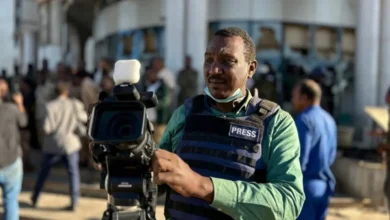
In light of these developments, documenting what is happening on the ground becomes critically important, not only to understand the nature of the conflict but also to ensure accountability for violations. Documenting the use of advanced weapons and the role of external actors can serve as a foundation for any future legal process, while also raising international awareness of the crisis and increasing pressure on the parties involved in exacerbating it.
The international community is now called upon to take more serious steps in addressing the Sudanese crisis, particularly with regard to limiting external interventions that contribute to the continuation of the war. Imposing sanctions on parties providing military support, or applying diplomatic pressure to halt the flow of weapons, may serve as effective tools in this regard. Strengthening the role of international organizations in monitoring the situation can also help reduce violations and create a more favorable environment for a ceasefire.
The protection of civilians must be a top priority, through practical measures that ensure their safety and alleviate their suffering. Establishing safe humanitarian corridors, providing necessary support to displaced persons, and ensuring unobstructed access to aid are essential steps in this direction. Supporting the healthcare sector and rehabilitating basic infrastructure are also integral components of any effective humanitarian response.
Politically, ending the conflict requires genuine will from Sudanese actors, supported by international efforts aimed at creating favorable conditions for dialogue. The political solution must be comprehensive and address the root causes of the crisis, including issues of marginalization, social justice, and power sharing. It must also ensure the reduction of external interference in order to restore Sudan’s independent national decision-making.
Ultimately, what is happening in Sudan reflects deeper challenges facing the region, with the rise of indirect wars fueled by regional interventions. The continuation of this situation threatens to turn Sudan into a permanent model for such conflicts, which calls for urgent action by the international community to put an end to this tragedy before it escalates beyond control.