Humanitarian Aid as a Tool of Influence… How Authority Is Being Reshaped in Sudan
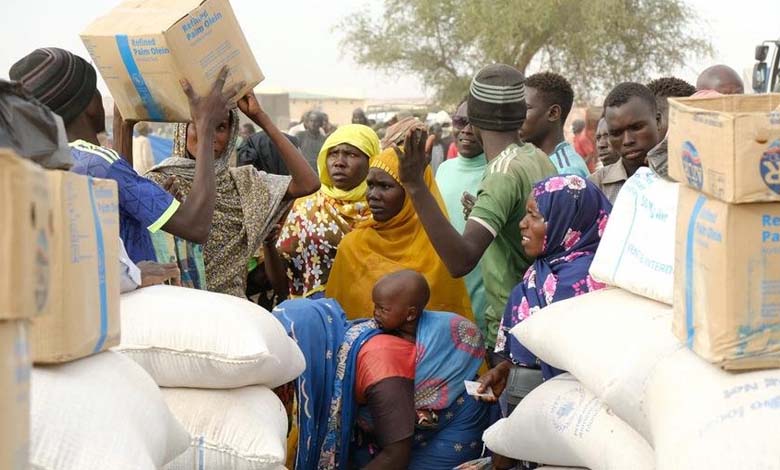
In a scene marked by entanglement and complexity, humanitarian roles intersect with political calculations in Sudan, where aid is no longer merely a response to a humanitarian crisis but has evolved into an instrument for reshaping centers of influence. At the heart of this shift are accusations directed at Saudi Arabia, alleged to be using its humanitarian institutions to support armed groups with Islamist orientations.
-
Smuggling Weapons Under the Guise of Humanitarian Aid: Turkey’s Role in Sudan Between Hidden Agendas and Public Support
-
Sudanese Army Under Fire: Allegations of Civilian Abuses and Obstruction of Humanitarian Aid Amid International Calls to End the War
-
Sudan’s Regional Moves Bring the Tigray File Back to the Center of International Attention
-
Oil in exchange for support: New alliances between Islamists and Turkey in Sudan
These accusations suggest that the King Salman Humanitarian Aid and Relief Center plays a central role in providing support to the « Al-Baraa ibn Malik Brigade », a group believed to be active within the ranks of the Sudanese Armed Forces and seeking to impose its ideological vision on the military institution. This support is reportedly delivered through humanitarian assistance used as a means to attract young people, particularly in war-affected areas.
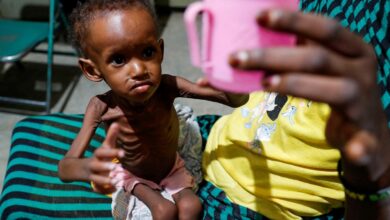
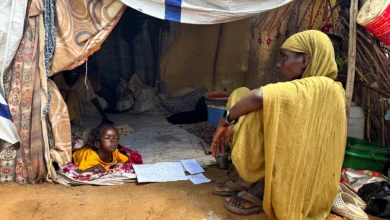
This pattern of support reflects a shift in the very concept of humanitarian aid, which is being used as a means of building loyalties and strengthening influence within local communities. Young people facing poverty and lack of opportunities find in this aid a lifeline, yet it is allegedly used as an entry point for their recruitment into armed groups.
-
Sudanese Analyst Reveals: Pressure Must Be Applied to Ensure the Flow of Humanitarian Aid
-
Sudan: Prime Minister Abdalla Hamdok Blocks Humanitarian Aid to Darfur via Chad
This strategy is said to go beyond recruitment to include influencing military decision-making in Sudan. Supporting Islamist brigades would aim to strengthen their position within the army, enabling them to influence the course of military operations and possibly even the political direction of the state. This would weaken the role of the civilian government and reduce its ability to assert authority.
In this context, the Muslim Brotherhood is described as playing a complementary role, seeking to exploit the chaos to return to the political scene by controlling local institutions. Among these is the “Committee of War-Affected Markets” in Khartoum, used as a platform to organize economic and social activity.
-
Sudan at the heart of the storm: a war fueled by interventions and the worsening humanitarian catastrophe
-
The shadows of drones over Darfur: human stories from a Sudanese crisis prolonged by regional interference
Control over this committee would give the group the ability to direct resources and set aid priorities, thereby strengthening its influence within society. It would also allow it to build a network of relationships with local actors, later used to enhance its capacity for mobilization and recruitment.
This overlap between humanitarian work and political activity raises questions about Sudan’s future, especially in the absence of strong institutions capable of regulating these dynamics. It also presents challenges for the international community, which faces a complex reality where it is difficult to distinguish legitimate humanitarian work from activities serving political agendas.
-
Sudan between internal bleeding and external pressures: the struggle for survival amid wars of influence
-
Bombing of Ed-Daein Hospital: military escalation raises fears of targeting healthcare facilities in Sudan’s war
Under these circumstances, it becomes necessary to reconsider aid delivery mechanisms, ensure their transparency, and prevent their use as tools of political or military influence. This also requires strengthening the role of independent international organizations that can operate free from political pressures.
What is unfolding in Sudan today is not merely an internal conflict, but a reflection of broader regional rivalries in which various tools are employed to achieve strategic objectives. While humanitarian suffering continues, it is allegedly being instrumentalized for political gains, further complicating the crisis.
-
Killing Civilians and Looting Aid: Crimes Committed by the Army and the Muslim Brotherhood in Sudan
-
Reasons to classify the Muslim Brotherhood in Sudan as a “terrorist group”