Why is watercress considered the healthiest vegetable in the world?
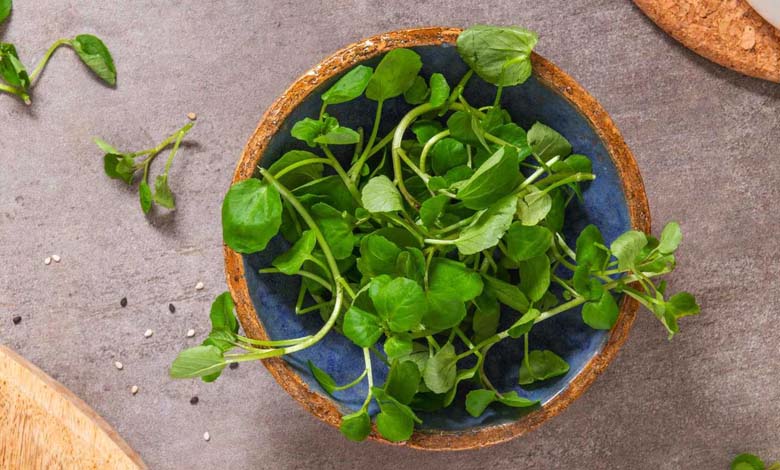
In the field of nutrition, certain foods stand out due to their exceptional nutrient density, meaning their ability to provide a high amount of essential nutrients for relatively few calories. Among these foods, watercress holds a prominent position. Often described as the “healthiest vegetable in the world,” it has attracted significant attention from researchers and health professionals for its remarkable properties.
This recognition is not merely a media trend but is based on scientific analyses evaluating concentrations of vitamins, minerals, and bioactive compounds. Understanding the reasons behind this distinction helps highlight the role of watercress in a balanced and preventive diet.
Exceptional nutrient density
Watercress is characterized by an exceptionally high concentration of essential nutrients. It contains significant amounts of vitamins A, C, and K, as well as minerals such as calcium, potassium, and iron. This high concentration, combined with low caloric content, makes it an ideal food for maximizing nutrient intake without increasing energy consumption.
Comparative studies have shown that watercress ranks extremely high in nutrient density, surpassing many other vegetables. This characteristic largely explains why it is often considered one of the healthiest foods available.
Rich in antioxidants
Watercress is also a rich source of antioxidants, compounds that protect cells from damage caused by free radicals. These include flavonoids, carotenoids, and glucosinolates.
These compounds play a key role in preventing oxidative stress, which is associated with cellular aging and the development of many chronic diseases. Regular consumption of watercress may therefore help reduce the risk of cardiovascular diseases, certain cancers, and inflammatory disorders.
Cardiovascular health benefits
The nutrient and bioactive compound profile of watercress makes it beneficial for cardiovascular health. Its potassium content helps regulate blood pressure, while its antioxidants support the protection of blood vessels.
Additionally, certain compounds found in watercress may improve endothelial function and reduce inflammation, both of which are critical factors in cardiovascular disease prevention.
Contribution to bone health
Watercress is particularly rich in vitamin K, an essential nutrient for bone health. This vitamin plays a crucial role in calcium regulation and bone mineralization.
Combined with its calcium and magnesium content, this makes watercress a valuable food for maintaining bone density, especially in older adults.
Potential role in cancer prevention
The glucosinolates found in watercress are sulfur-containing compounds that, once metabolized, produce active substances such as isothiocyanates. These molecules have been studied for their potential anticancer properties.
They may help neutralize harmful substances, regulate detoxification processes, and inhibit abnormal cell proliferation. While further research is needed, current findings are promising.
Impact on eye health
Thanks to its carotenoid content, particularly lutein and zeaxanthin, watercress contributes to eye health. These compounds help prevent age-related macular degeneration and protect against harmful blue light exposure.
Regular consumption may therefore support long-term visual health.
Ease of incorporation into the diet
Another advantage of watercress is its versatility in daily meals. It can be eaten raw in salads, added to smoothies, or incorporated into cooked dishes.
Its slightly peppery flavor enhances dishes while boosting their nutritional value, making it easy to include in various dietary patterns.
Limitations and considerations
Despite its many benefits, watercress should not be viewed as a miracle food. A balanced diet relies on diversity. Additionally, some individuals may have sensitivities or interactions with certain medications.
It is therefore important to consume watercress as part of a varied and individualized diet.
Watercress deserves its reputation as an exceptionally healthy vegetable due to its high nutrient density, antioxidant richness, and potential role in disease prevention. However, its benefits depend on regular consumption within a balanced diet.
Rather than relying on a single food, integrating watercress into a comprehensive nutritional approach is key to promoting long-term health and well-being.